





Why Choose Custom-Made Curtains
If you’re considering installing curtains in your home, one of the first things you’ll need to decide is whether you’d prefer to buy ready-made curtains or have them custom-made especially for your home.
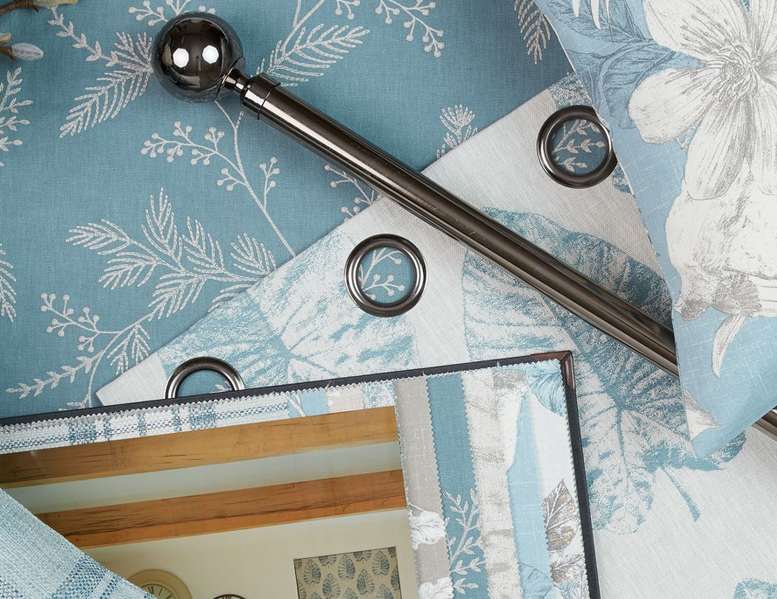
Get exactly what you want - There’s no need to compromise when you choose to have your curtains custom-made; you’ll get exactly what you want and it will be the perfect for your space. A good company will send a consultant to meet with you at your home who will bring with them a wide variety of actual fabric samples so you can see how different colours, patterns and textures look in your space.
The right curtains for the right rooms - You’ll get experienced, professional advice about which type of curtains is best for certain rooms and purposes. For instance, if you want curtains for bedrooms where blocking light is the main priority, your consultant will be able to talk you through the different lining options to achieve this.
A perfect fit - Another benefit of having your curtains custom-made is that your window measurements will be taken by someone who really knows what they’re doing.
Excellent quality - There’s no doubt the finished product will be impeccably made with special attention to detail. And there’s peace of mind knowing your curtains are backed by a decent product warranty.
Finance - By choosing a specialist blind manufacturer there may be the possibility of a finance option to help make it affordable.
Professional installation - And the service will be end-to-end with professional installation also often included.
Things to consider when choosing custom-made curtains – Good things take time; from consultation to having the finished product installed you could be looking at a 3 to 4 week wait if not longer. The initial cost of having custom-made curtains would likely be a more expensive option over ready-made. However, this cost is easily justified by the quality of the product.
Reasons to AVOID ready-made curtains
Whether online or from a store, ready-made curtains are often seen as a fast and cost effective option.
Potentially limited options - The first thing to know about buying ready-made curtains is that you might not get what you want OR what you need. Unlike Russells’ custom-made curtains, most ready-made curtains are not made in New Zealand. They are mass-produced in a finite number of sizes. These can be quite common sizes so you may get lucky and find something that fits your window. However, most people find ready-made curtains are either slightly too wide and overlap the frame, or not wide enough, letting through light. Be prepared to dedicate some time to shopping around to find curtains that are just the right colour, pattern and size for your home.
Measurement mishaps - You will need to measure your own windows; do so carefully. How to measure for curtains differs depending on what kind of curtains you want too so be sure to research the best method.
Inferior quality - Cheaper ready-made curtains may seem like a good deal initially, but long term (and curtains are a long term household item) inferior quality will end up costing you.
No professional installation - And finally, when buying ready-made curtains, you may also need to budget for professional installation if you’re not confident in your own skills.
No matter if you have custom or ready made curtains, Curtain Clean can take care of all your cleaning needs! Call us on 0800 579 0501 if you have any questions

Poll: If we want to reduce speeding, what do you think actually changes driver behaviour? 🛻🚨🚓
In the Post's article on speeding penalties, the question is asked whether speeding fines are truly about road safety, or are they just a way to boost revenue for the Crown?
What do you think? Should speeding motorists receive speeding fines or demerit points?
-
30.2% The sting of a fine (Money talks!)
-
69.8% The threat of demerit points (Nobody wants to lose their license!)

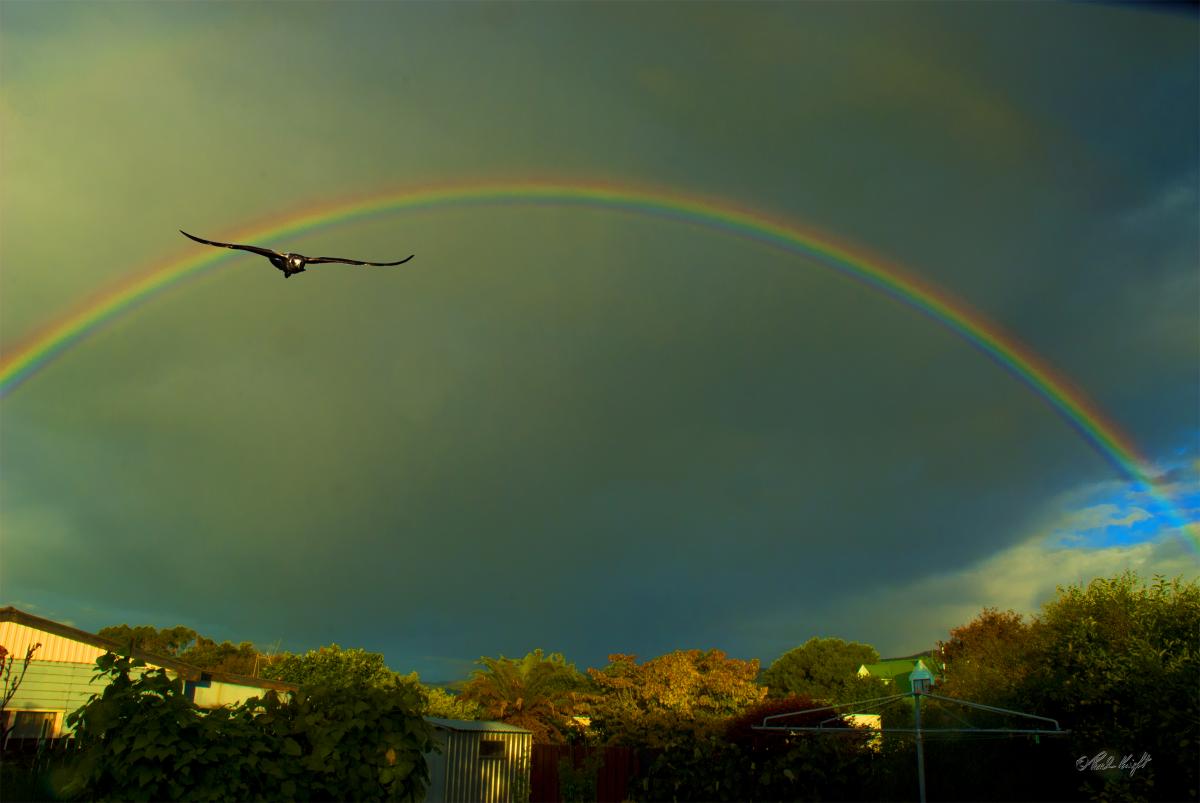
Harrier Hawk 0823
Harrier Hawks seem to have flight routines. It was not uncommon to see one flying southwards over Burn St from the Roslyn Rd area as this one was doing. I often wondered if it was always the same hawk but anyway I've not seen it happen recently.
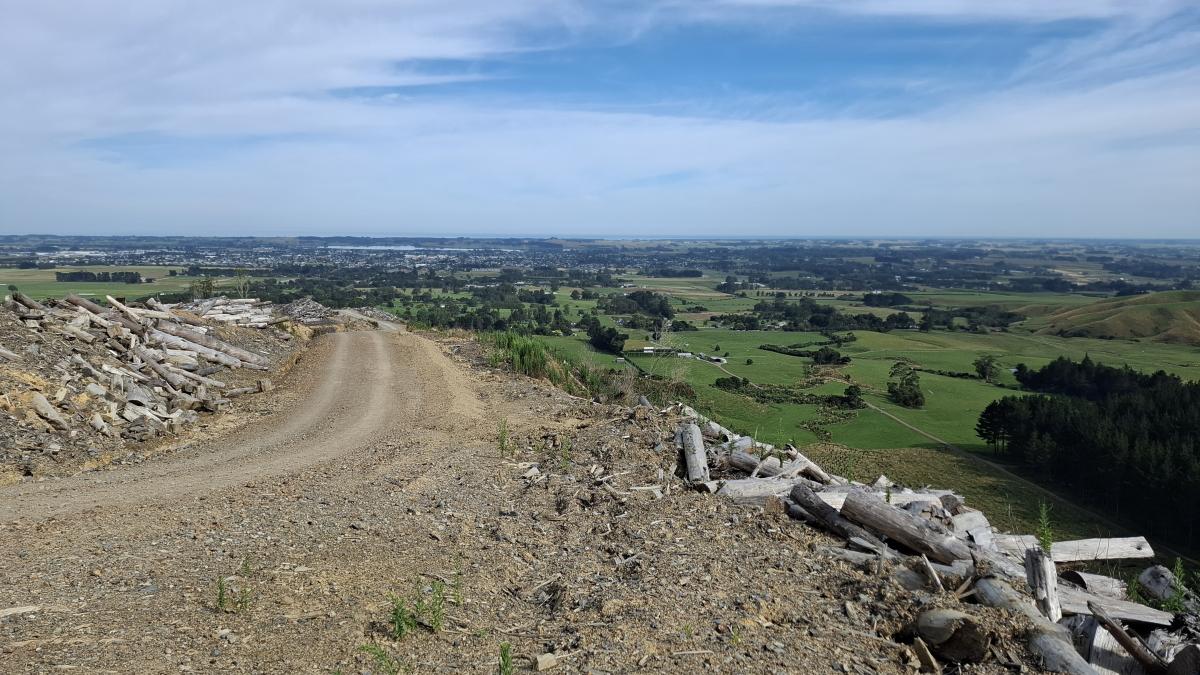
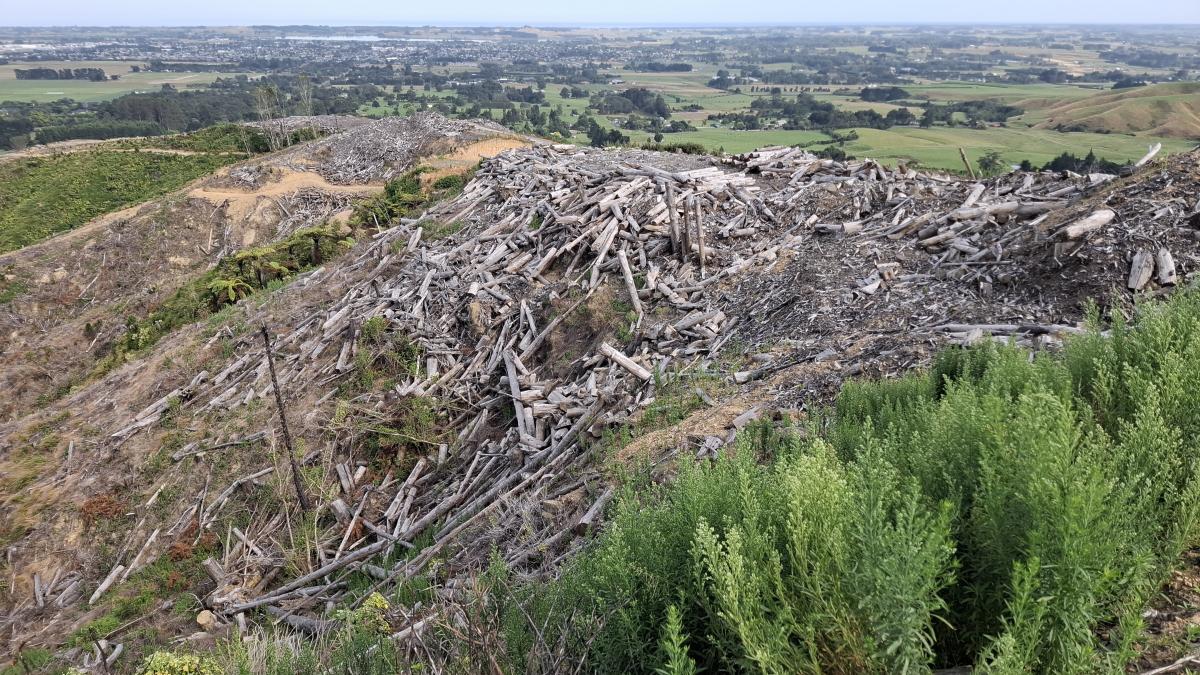
SLASH BESIDE THE TRACK UP TO TRIG
I question the wisdom and the morality of an industry which creates so much waste, waste which is also a cause of widespread and devastating damage. So, I searched the internet for potential uses of slash. It was easy to find.
I recommend a visit to nzbioforestry.co.nz. I quote from the website:
OUR SOLUTION:
NZ Bio Forestry proposes to develop a sustainable renewable forestry model that increases the economic value of the NZ- Aotearoa forestry sector, simply by integrating bio-technologies augmenting the forestry, wood manufacturing, and petrochemistry industries into one model.
Specifically, our strategy is to utilise the whole tree and convert the tree’s sugars into bioenergy, biomaterials, and biochemicals. This means using slash, off cuts, pruning, and wood waste to produce biofuel via bio pellets and biochemicals. It means optimising logs through the whole process….logging, manufacturing freighting, and refining process to serve the many Asia-Pacific markets with high-value products….not just exporting raw logs to one or two large dominant markets! (End of quote)
NZ Bio Forestry then contrasts the financial return from the present exports of raw logs with the potential return from utilising the WHOLE TREE.
In US dollars, the return from exporting logs is between $50 - $140 per log.
Using the whole tree including the slash and other waste for wood processing would return $200 - $800 per tree, and,
Using the bio-refinery process to convert the wood waste into fossil-free biochemicals would return $2,500 - $11,200 per tree.
I can’t help but conclude that our current focus on exporting logs is a pitiful failure of industry and government policy compared with the potential benefits of processing THE WHOLE TREE. And to complete the argument, this not just theory. In Scandinavia, SCA, which owns Europe’s largest private forest with 2.7 million hectares, has built a well-invested value chain that maximises the value of each individual tree and all of the forestry’s resources.
A SUMMARY OF POTENTIAL ADDITIONAL PRODUCTS:
Wood Pellets and Chips: Slash can be collected, dried, and processed into hog fuel or wood pellets for use in industrial boilers, as a replacement for coal, to generate heat and electricity.
Biofuel Production: Research is underway to convert forest residues into marine biofuel to help decarbonize the shipping sector.
Gasification: Advanced, small-scale, on-site processing plants can turn slash into renewable energy products like bio-oil, ethanol, and hydrogen.
Biochemicals: Specialized refineries can convert woody waste into sustainable alternatives to plastics, chemicals, and industrial products.
WAKE UP Aotearoa, New Zealand!!!
 Loading…