





Linen lies – Busted!
Want to understand why Linen makes such a great choice for your household textiles? Here are 7 common misconceptions about linen, and the reasons why they’re wrong.
1. It’s expensive
Sure, you can find plenty of pricey linen textiles out there. But it doesn’t have to cost more. Our business is primarily online, which means we can offer top quality linen wares at very reasonable prices. Our fabrics are cut to demand and can be made bespoke to your individual needs, so you get amazing value for money. Tailor-made, highest grade linens at a fraction of the cost of other bespoke tailoring services.
2. It’s wrinkly
Well, yes, this is partly true – but the natural crinkles are actually part of the charm of linen fabric. The wrinkles are something to celebrate and mean that you can take linen pants with you on vacation without worrying about having to find an iron. They will look wrinkled, but intentionally so. If you really want to keep the fabric completely flat for a home sewing project you can cut linen on the bias and it won’t wrinkle. Linen is the ultimate in effortlessly stylish, easy, simplicity.
3. It’s difficult to care for
This couldn’t be more wrong! Our linen is machine washable and can be tumble dried. If you buy pre-shrunk garments there’s nothing to worry about, as long as you follow the manufacturer’s care instructions. Linen is hardwearing and durable, and in fact it gets softer and more supple with every wash. And because of the inherent crinkles (see above) there’s no need to bother about ironing.
4. It’s plain
There is certainly a rustic charm to linen, but. It’s so much more than that. Linen holds dye brilliantly, which means you can find linens in amazing colours and patterns, from bold citrus brights to subtle muted tones. We stock over 1000 different linen fabrics, so you can be sure to find the perfect fit for your home or your wardrobe.
5. It’s only for summer
Linen is a fabulous fabric for hot weather as it allows your skin to breathe, and wicks away moisture to keep you feeling dry and comfortable. But. It’s also a great choice for winter too. Thanks to its temperature-regulating properties linen will keep you warm and cosy on chilly days, yet you’ll never overheat. Transition between seasons with linen throws and linen scarves to add texture and warmth without being too bulky.
6.The lower thread count means lower quality
Again, this is wrong, wrong, wrong! Thread count is often used by cotton manufacturers and retailers as a mark of quality – the higher the thread count, the better the quality. Yet this doesn’t apply to linen. The fibres in linen are thicker, which means there will naturally be fewer when compared to cotton. In fact, linen is not only better in terms of quality, durability and feel,. It’s also better for the planet. In a contest, linen vs. cotton, linen wins hands down.
7. It’s not soft
There is a misconception that linen isn’t as soft as other fabrics. Whilst this may be true of poor quality, cheap linen, when you buy a garment from a reputable manufacturer who sources the best flax you’ll see for yourself just how deliciously soft linen can be. The fabric softens with each wash, so it gets snugglier with age.
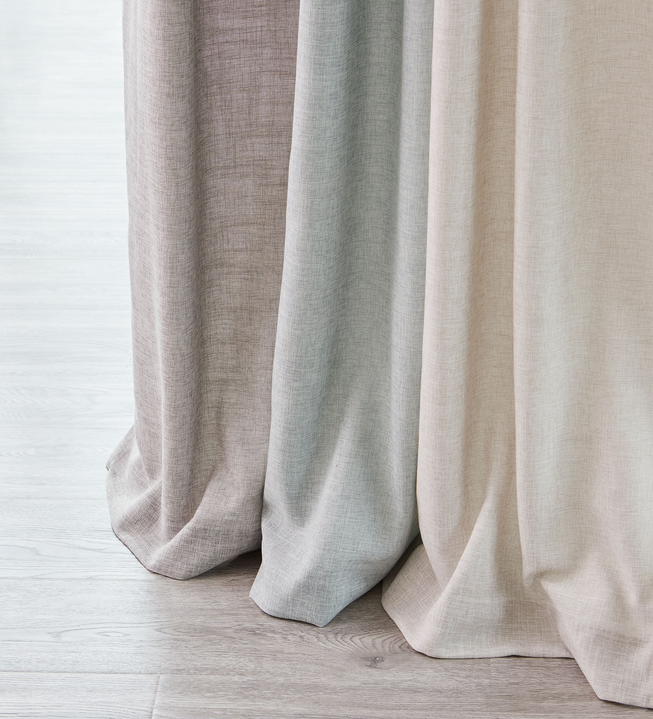
If you have linen curtains in your house, we can DEFINITELY clean them! Call us on 0800 579 05 01 if you have any questions!


Poll: If we want to reduce speeding, what do you think actually changes driver behaviour? 🛻🚨🚓
In the Post's article on speeding penalties, the question is asked whether speeding fines are truly about road safety, or are they just a way to boost revenue for the Crown?
What do you think? Should speeding motorists receive speeding fines or demerit points?

-
32.1% The sting of a fine (Money talks!)
-
67.9% The threat of demerit points (Nobody wants to lose their license!)

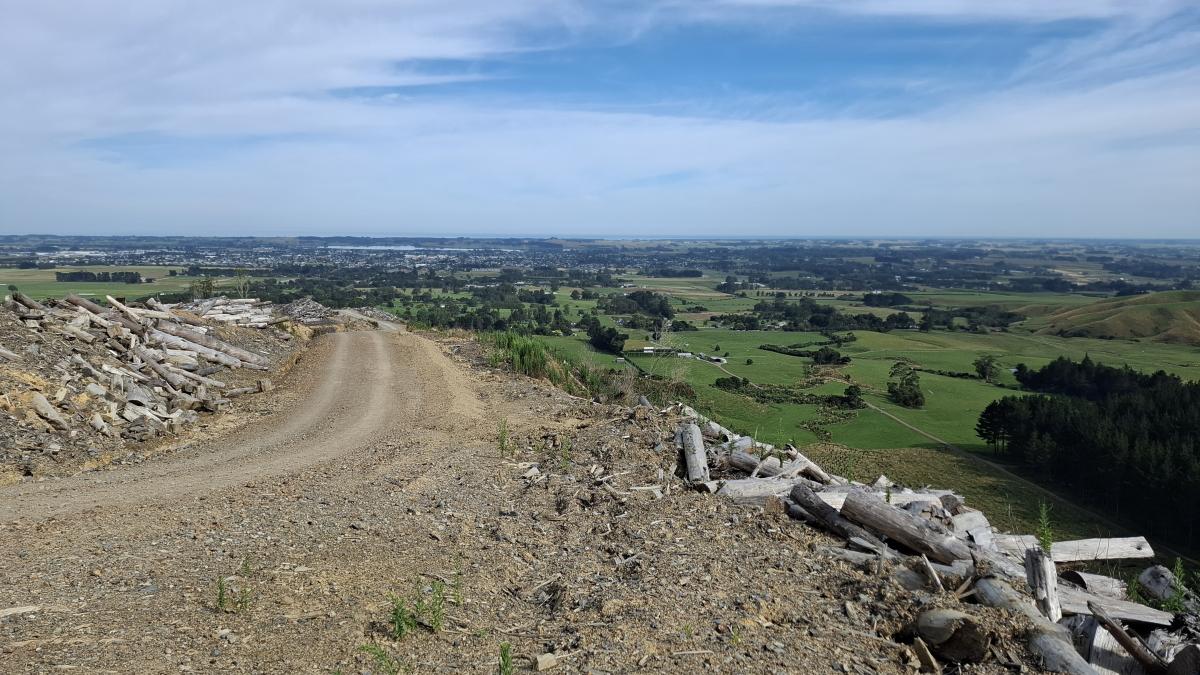
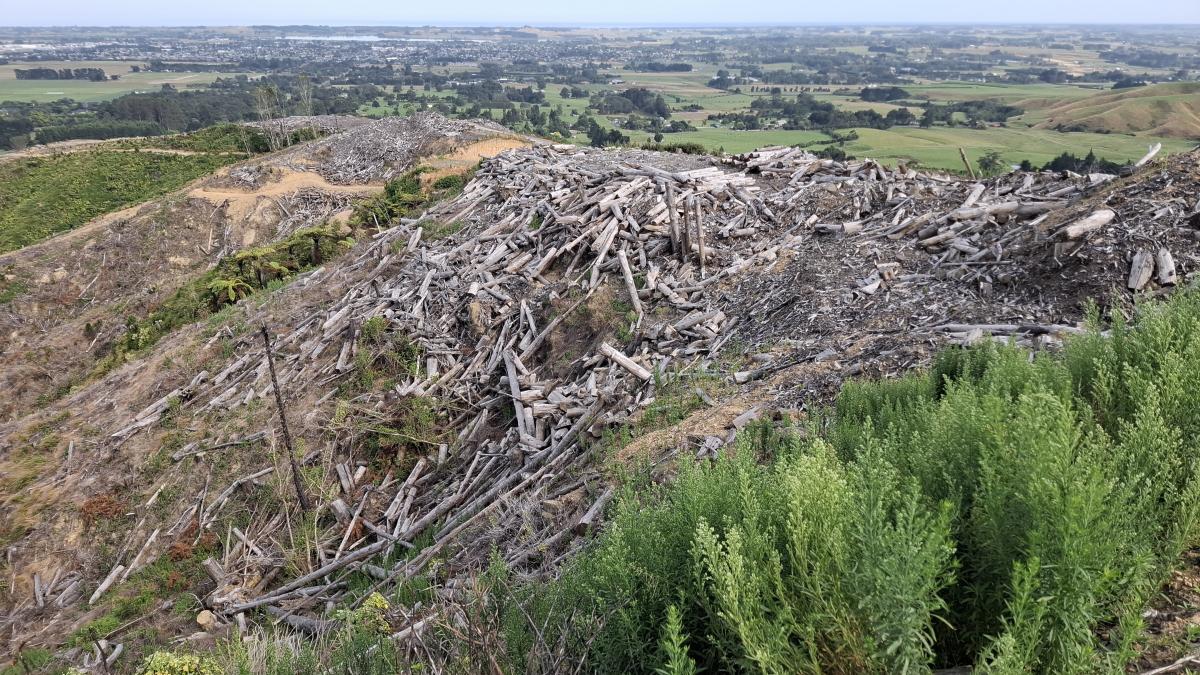
SLASH BESIDE THE TRACK UP TO TRIG
I question the wisdom and the morality of an industry which creates so much waste, waste which is also a cause of widespread and devastating damage. So, I searched the internet for potential uses of slash. It was easy to find.
I recommend a visit to nzbioforestry.co.nz. I quote from the website:
OUR SOLUTION:
NZ Bio Forestry proposes to develop a sustainable renewable forestry model that increases the economic value of the NZ- Aotearoa forestry sector, simply by integrating bio-technologies augmenting the forestry, wood manufacturing, and petrochemistry industries into one model.
Specifically, our strategy is to utilise the whole tree and convert the tree’s sugars into bioenergy, biomaterials, and biochemicals. This means using slash, off cuts, pruning, and wood waste to produce biofuel via bio pellets and biochemicals. It means optimising logs through the whole process….logging, manufacturing freighting, and refining process to serve the many Asia-Pacific markets with high-value products….not just exporting raw logs to one or two large dominant markets! (End of quote)
NZ Bio Forestry then contrasts the financial return from the present exports of raw logs with the potential return from utilising the WHOLE TREE.
In US dollars, the return from exporting logs is between $50 - $140 per log.
Using the whole tree including the slash and other waste for wood processing would return $200 - $800 per tree, and,
Using the bio-refinery process to convert the wood waste into fossil-free biochemicals would return $2,500 - $11,200 per tree.
I can’t help but conclude that our current focus on exporting logs is a pitiful failure of industry and government policy compared with the potential benefits of processing THE WHOLE TREE. And to complete the argument, this not just theory. In Scandinavia, SCA, which owns Europe’s largest private forest with 2.7 million hectares, has built a well-invested value chain that maximises the value of each individual tree and all of the forestry’s resources.
A SUMMARY OF POTENTIAL ADDITIONAL PRODUCTS:
Wood Pellets and Chips: Slash can be collected, dried, and processed into hog fuel or wood pellets for use in industrial boilers, as a replacement for coal, to generate heat and electricity.
Biofuel Production: Research is underway to convert forest residues into marine biofuel to help decarbonize the shipping sector.
Gasification: Advanced, small-scale, on-site processing plants can turn slash into renewable energy products like bio-oil, ethanol, and hydrogen.
Biochemicals: Specialized refineries can convert woody waste into sustainable alternatives to plastics, chemicals, and industrial products.
WAKE UP Aotearoa, New Zealand!!!

Share your favourite main crop potato recipe and win a copy of our mag!
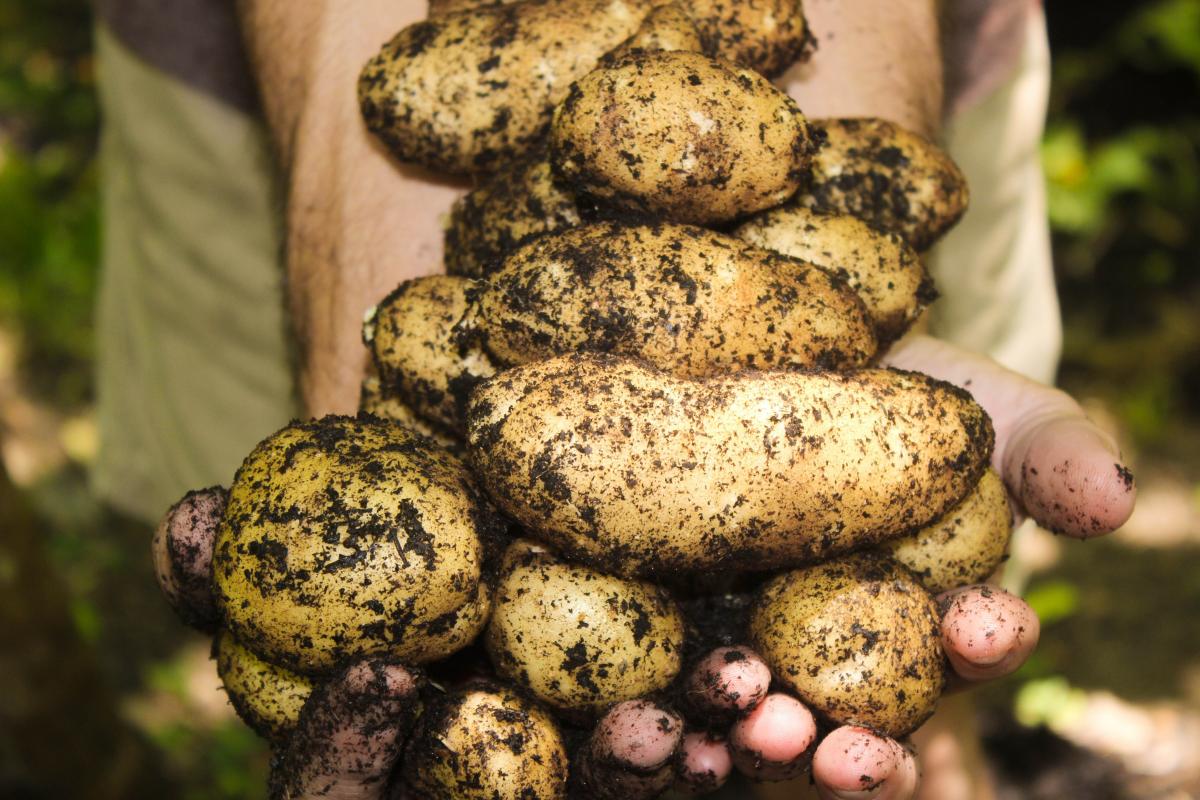
Love potatoes? We will give away free copies of the May 2026 issue to readers whose potato recipes are used in our magazine. To be in the running, make sure you email your family's favourite way to enjoy potatoes: mailbox@nzgardener.co.nz, by March 1, 2026.
 Loading…