





Are Curtains or Blinds best for kids’ bedrooms?
Choosing curtains and/or blinds for a child’s bedroom is much more complicated than you might think, with several factors to take into consideration when making the right choice. Let’s go over what you need to think about.
Blocking out light
Any parent will tell you kids need darkness to go to bed. They don’t necessarily need darkness to sleep, but to convince them it’s bedtime it needs to be dark. Post daylight savings, heading into spring and summer, this can be a challenge. Curtains and blinds can help.
First of all, opt for block-out lining. Block-out lined curtains reduce natural light and UV rays, providing an ideal solution for darkening a bedroom. They also offer thermal and sound insulation properties, which come in handy too and we’ll discuss more shortly.
The best solution to block out light is curtains made of medium to heavy fabric, hanging wide and high over the window and down to the floor. But don’t make a decision yet, there are things to consider that might make you shy away from this option.
Slatted blinds are the least ideal solution as they allow small amounts of light to peep through even when fully closed and lowered. An inside mounted roller blind also allows a small amount of light to enter. For extra light blockage consider a curtain over a blind.
Reducing noise
Blocking out noise completely using only curtains or blinds is not possible, but it can be reduced. The best options are:
• Curtains – reducing noise all comes down to absorbing the vibrations so opt for the thickest, heaviest fabric you can (e.g. velvet or wool). The more layers the better so ensure you get them lined and you could also opt for a blind underneath as well.
• Roman shades – as with curtains, the thicker the fabric and more layers the better.
• Honeycomb blinds - the unique cellular design is great for cutting out noise. Just as the cells trap air to reduce heat transfer, they can also help keep out noise.
How they look
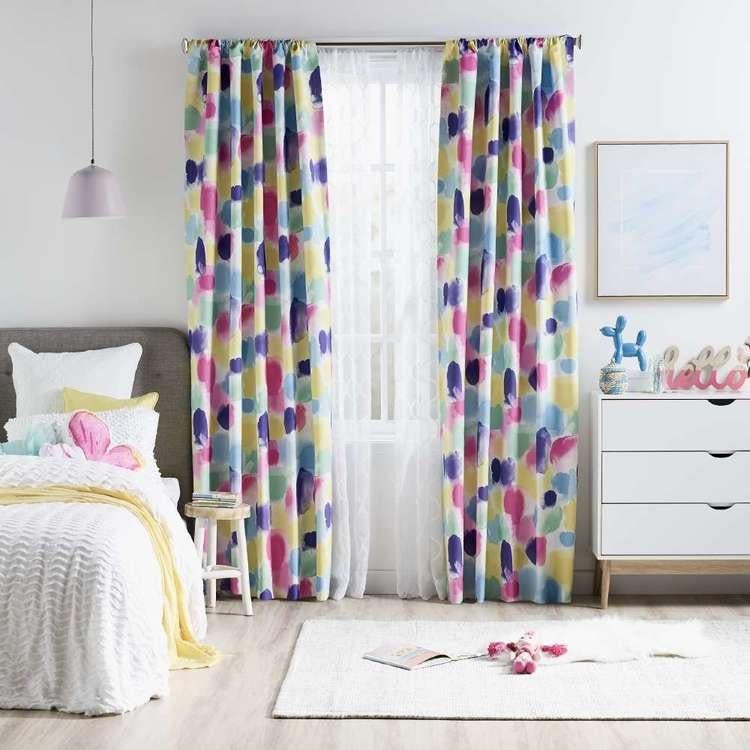
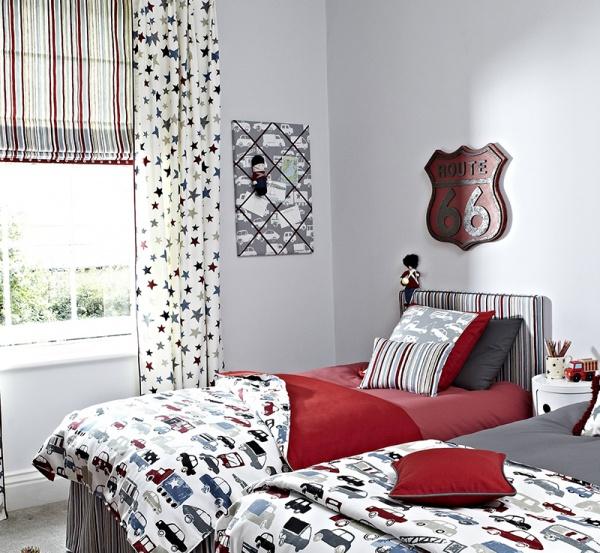
Consider the age and gender your child is now but also consider how long you want the curtains to last and how old your child will be then. What is right for a child aged 2 will be totally wrong come age 6.
Kids tend to enjoy bright colours and bold patterns, or they might want a fabric featuring a favourite character from a book, TV show or movie. Be aware the latter option is likely to date quickly and the above point applies here too; while they may love superheroes right now, will they still be as cool in 12 months’ time?
If kids are sharing a room maybe consider something a bit more neutral that will appeal to both.
And as they get older, into their teens for example, they will become even more opinionated about their “style” and what they like will have evolved and expanded a lot since they were young kids.
Privacy
If your child’s room is exposed and can be seen by neighbours or from the street, consider hanging sheers to ensure their privacy is maintained.
Health & safety
Beware of blind cords ad these are a strangulation hazard. Either make sure they are tightly wound around a cleat and out of reach, choose electronically operated blinds or spring-loaded roller blinds, or get blinds with a tension cord and pulley so there is no loose cord dangling.
Blinds or lightweight curtains are better for kids who suffer allergies. Thicker fabrics are better at collecting dust, pollen, and dust mites.
Shorter curtains are recommended over floor length for younger children so they can’t grab hold and pull or wrap themselves up in them.
Don’t use tension rods. These are operated by spring-loaded tension and therefore not screwed into the wall. One good tug and the lot could come tumbling down.
Don’t forget – regular cleaning will keep your childs room healthy. We can help with that!
www.curtainclean.co.nz...

Poll: If we want to reduce speeding, what do you think actually changes driver behaviour? 🛻🚨🚓
In the Post's article on speeding penalties, the question is asked whether speeding fines are truly about road safety, or are they just a way to boost revenue for the Crown?
What do you think? Should speeding motorists receive speeding fines or demerit points?
-
30.8% The sting of a fine (Money talks!)
-
69.2% The threat of demerit points (Nobody wants to lose their license!)

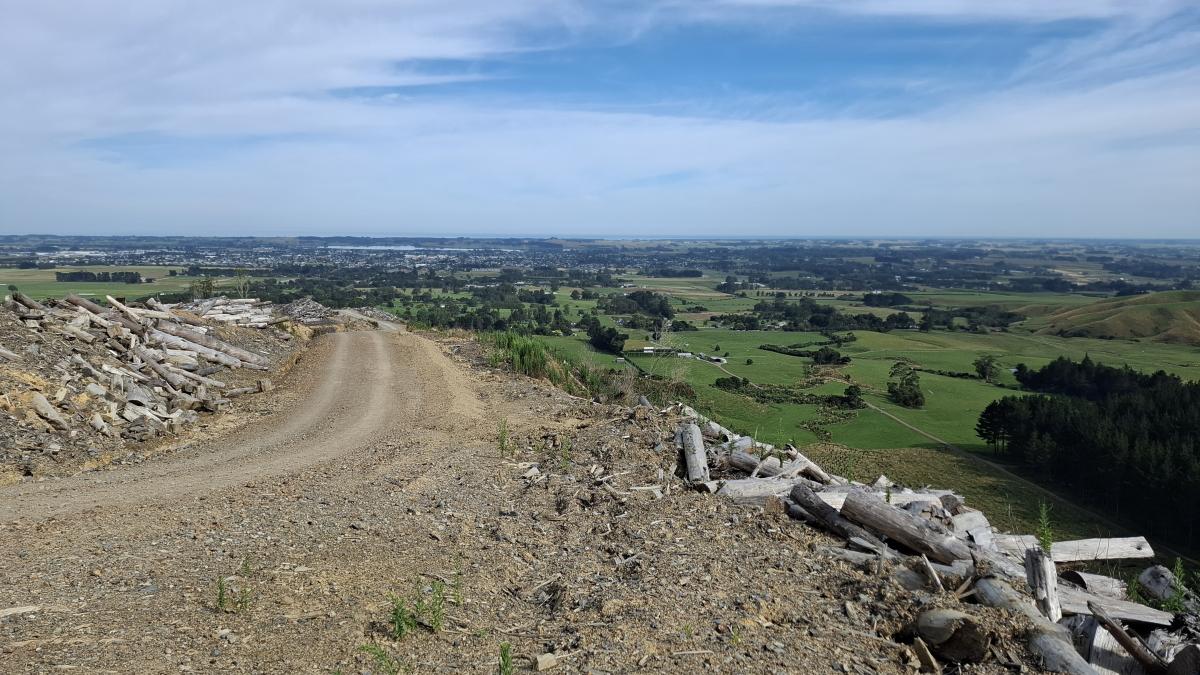
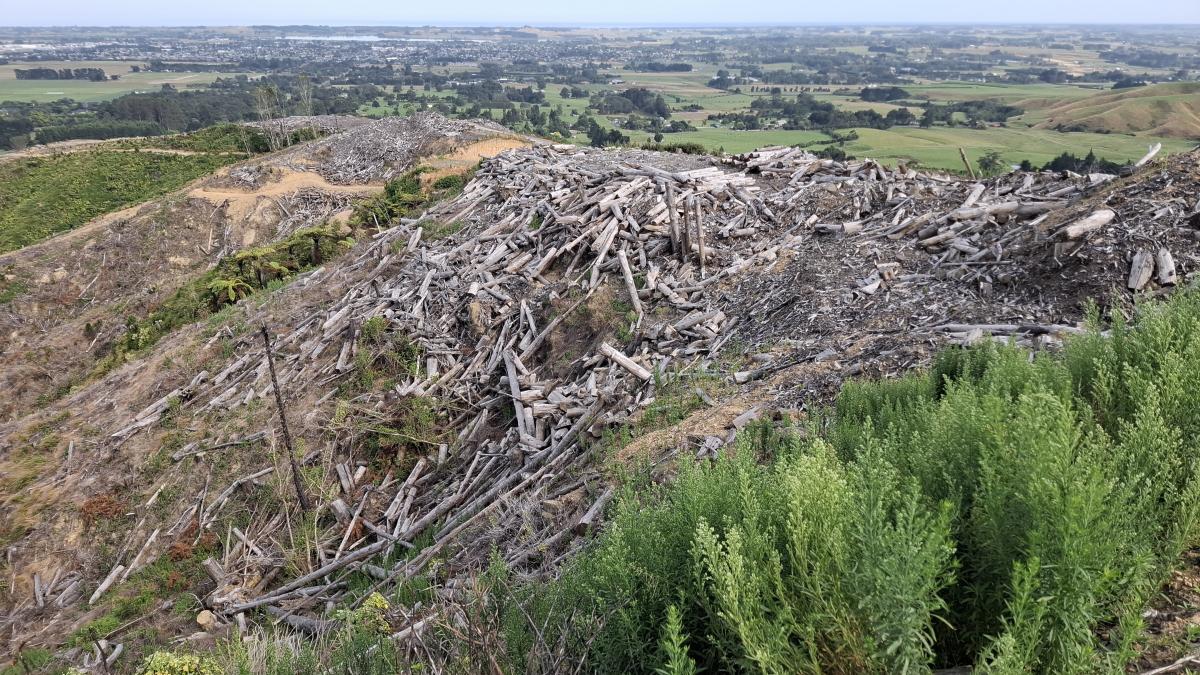
SLASH BESIDE THE TRACK UP TO TRIG
I question the wisdom and the morality of an industry which creates so much waste, waste which is also a cause of widespread and devastating damage. So, I searched the internet for potential uses of slash. It was easy to find.
I recommend a visit to nzbioforestry.co.nz. I quote from the website:
OUR SOLUTION:
NZ Bio Forestry proposes to develop a sustainable renewable forestry model that increases the economic value of the NZ- Aotearoa forestry sector, simply by integrating bio-technologies augmenting the forestry, wood manufacturing, and petrochemistry industries into one model.
Specifically, our strategy is to utilise the whole tree and convert the tree’s sugars into bioenergy, biomaterials, and biochemicals. This means using slash, off cuts, pruning, and wood waste to produce biofuel via bio pellets and biochemicals. It means optimising logs through the whole process….logging, manufacturing freighting, and refining process to serve the many Asia-Pacific markets with high-value products….not just exporting raw logs to one or two large dominant markets! (End of quote)
NZ Bio Forestry then contrasts the financial return from the present exports of raw logs with the potential return from utilising the WHOLE TREE.
In US dollars, the return from exporting logs is between $50 - $140 per log.
Using the whole tree including the slash and other waste for wood processing would return $200 - $800 per tree, and,
Using the bio-refinery process to convert the wood waste into fossil-free biochemicals would return $2,500 - $11,200 per tree.
I can’t help but conclude that our current focus on exporting logs is a pitiful failure of industry and government policy compared with the potential benefits of processing THE WHOLE TREE. And to complete the argument, this not just theory. In Scandinavia, SCA, which owns Europe’s largest private forest with 2.7 million hectares, has built a well-invested value chain that maximises the value of each individual tree and all of the forestry’s resources.
A SUMMARY OF POTENTIAL ADDITIONAL PRODUCTS:
Wood Pellets and Chips: Slash can be collected, dried, and processed into hog fuel or wood pellets for use in industrial boilers, as a replacement for coal, to generate heat and electricity.
Biofuel Production: Research is underway to convert forest residues into marine biofuel to help decarbonize the shipping sector.
Gasification: Advanced, small-scale, on-site processing plants can turn slash into renewable energy products like bio-oil, ethanol, and hydrogen.
Biochemicals: Specialized refineries can convert woody waste into sustainable alternatives to plastics, chemicals, and industrial products.
WAKE UP Aotearoa, New Zealand!!!

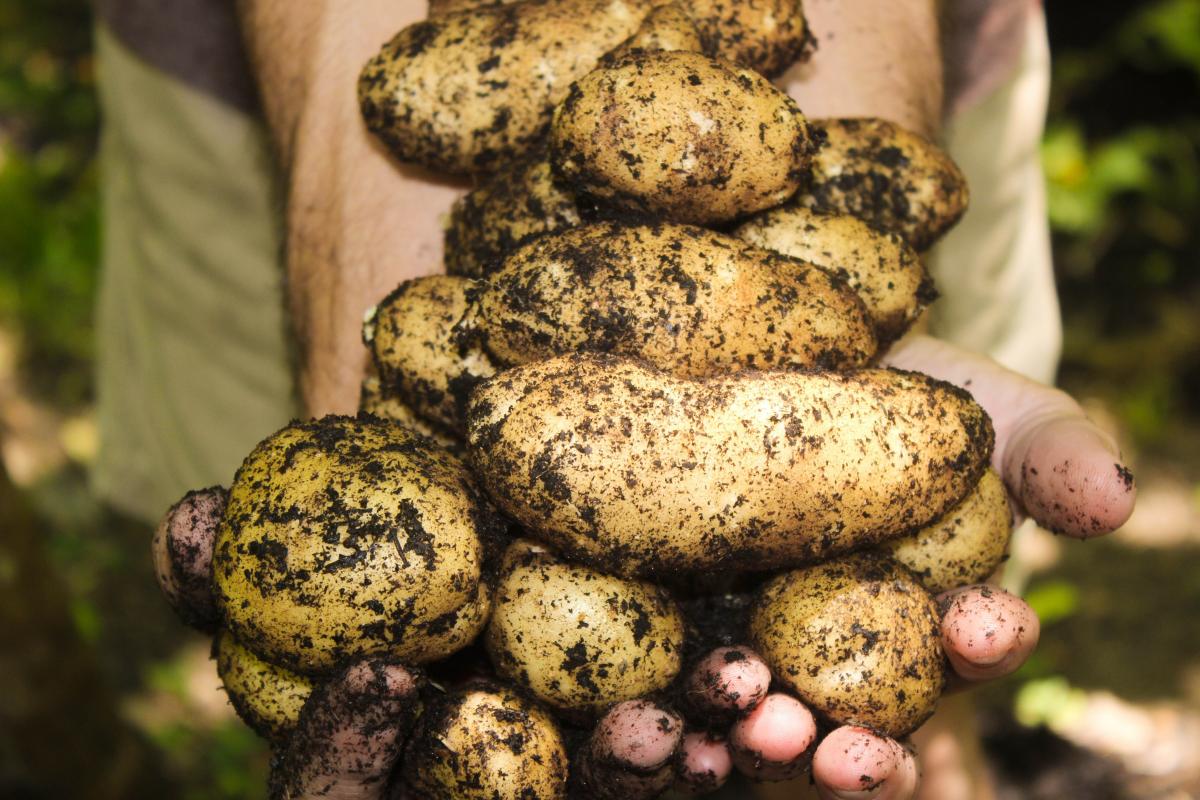
Share your favourite main crop potato recipe and win a copy of our mag!
Love potatoes? We will give away free copies of the May 2026 issue to readers whose potato recipes are used in our magazine. To be in the running, make sure you email your family's favourite way to enjoy potatoes: mailbox@nzgardener.co.nz, by March 1, 2026.
 Loading…