





Why Wool is Cool
• The fleece of sheep has been used to make human clothing since the Stone Age.
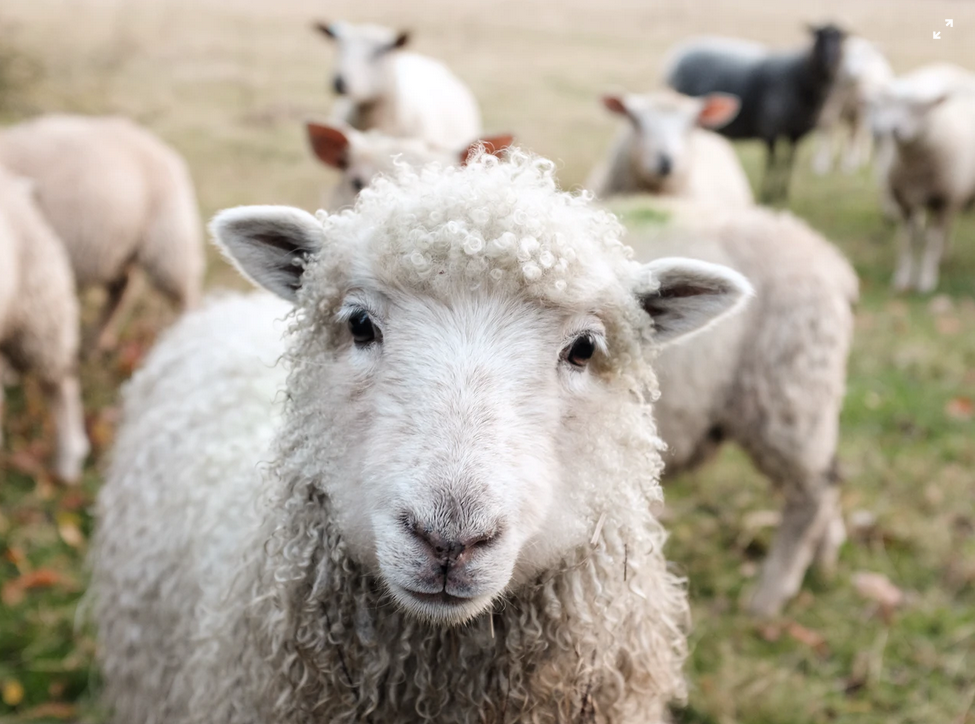
• Wool flourishes where there is rain and sunshine. These two elements sustain the grassy fields that sheep graze on. Shearers shave off the wool every year before the weather gets too hot. Wool is the ultimate renewable fibre.
• Wool from about 61 sheep extend all the way from the earth to the moon.
• Wool may be made from mixtures of hair from sheep, alpaca, llama, camel, cashmere, mohair, angora, vicuna, yak, guanaco, beaver or otter. No animals are harmed in the harvesting of wool.
• Wool is flame-resistant. It will not melt and stick to your skin like synthetic fibres. Instead, wool will usually smoulder and extinguish itself when the source of the flame has been removed. The fibre of choice for casinos and airlines.
• The fastest recorded time to shear a sheep is 39.31 seconds by Hilton Barrett of Australia.
• Wool is composed of same protein that makes up the outer protective layer of your skin.
• Have you ever wondered why your wool socks withstand foot stench longer than cotton or synthetic socks? Wool is naturally mildew and mould resistant because it is a natural moisture repellent, MEANING LESS STINK. Wool also reduces dust mite activity (they do not like wool!).
• Over its lifetime, a sheep’s fleece will absorb approximately 30Kg of carbon dioxide.
• Renewable, recyclable, and naturally biodegradable; choosing wool minimizes the amount of waste that sits in landfills. Wool biodegrades in weeks to less than 1 year depending on environmental conditions. This is due to its high nitrogen content.
• Wool products can last for 15 to 20 years (or more)
• Wool can absorb indoor contaminants, including formaldehyde, sulphur dioxide and nitrogen dioxide and locks them away in the fibre core. It is naturally soil and stain resistant, attracts less dirt and dust due to anti-static properties and requires less cleaning than synthetic fabrics.
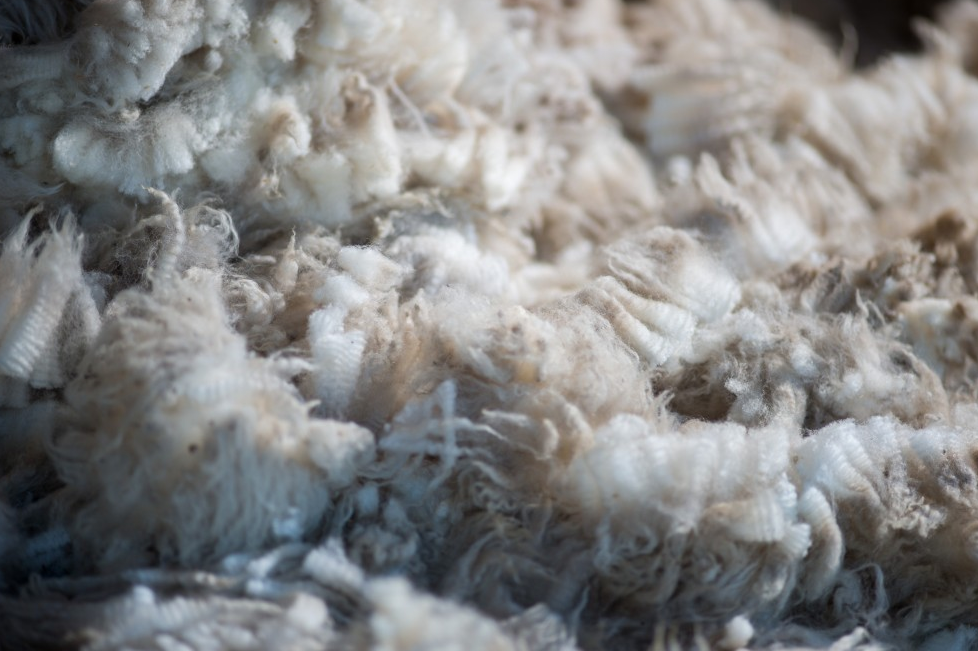
• Wool fibres have a crimped texture so when it’s packed more tightly together lots of tiny pockets of air form. This structure means that it can absorb and release wick away moisture, allowing your skin to breathe so you feel fresh as a daisy.
• Due to its crimped structure, wool is naturally elastic, and so wool garments have the ability to stretch to your shape but can then return to their original state. It is also resistant to tearing and requires less processing to make it useable.
• Wool’s high nitrogen and water content makes it naturally flame resistant. Wool does not ignite easily and will self-extinguish. Should wool burn it does not melt while burning. Wool produces less smoke and toxic fumes during combustion than synthetic fibres, making it a far safer choice.

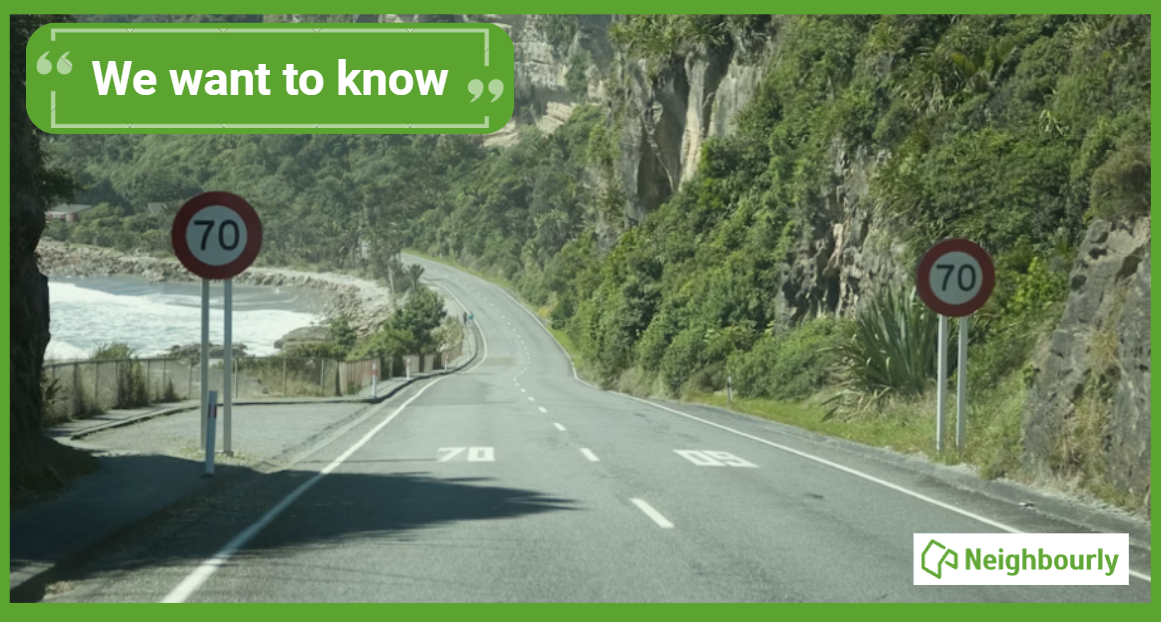
Poll: If we want to reduce speeding, what do you think actually changes driver behaviour? 🛻🚨🚓
In the Post's article on speeding penalties, the question is asked whether speeding fines are truly about road safety, or are they just a way to boost revenue for the Crown?
What do you think? Should speeding motorists receive speeding fines or demerit points?
-
30.2% The sting of a fine (Money talks!)
-
69.8% The threat of demerit points (Nobody wants to lose their license!)

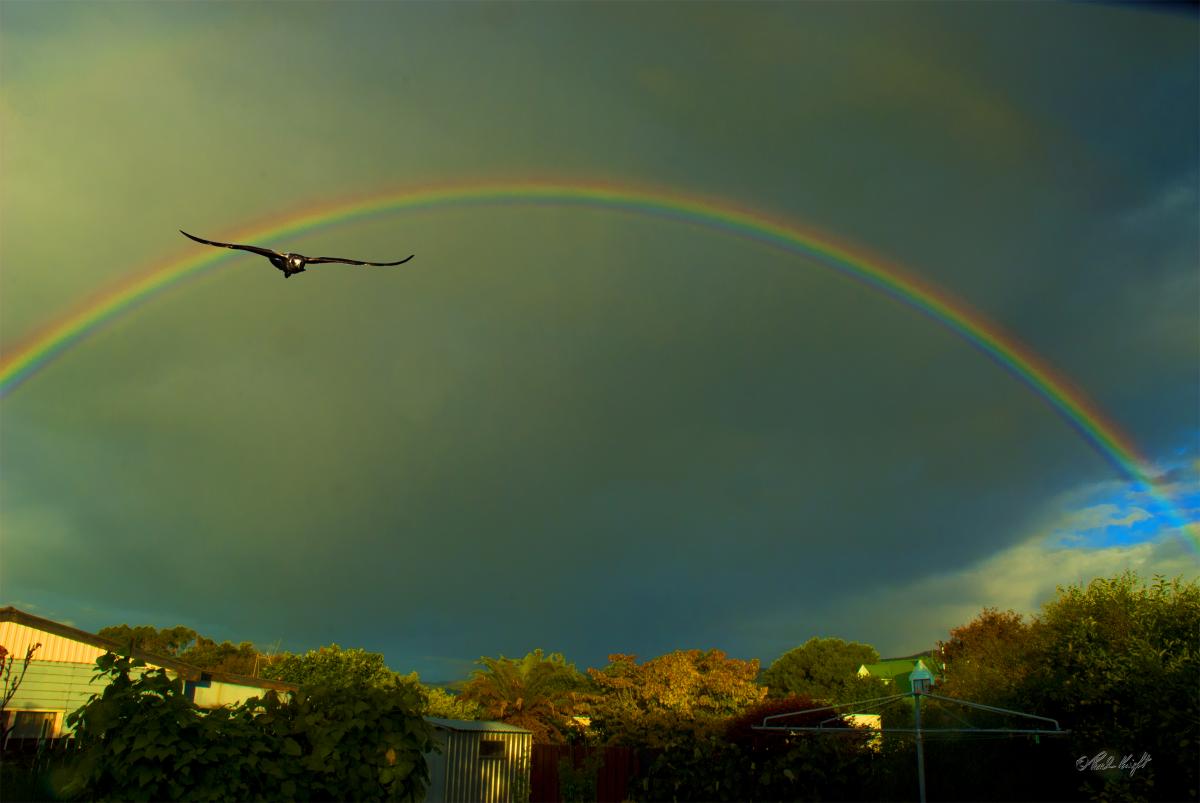
Harrier Hawk 0823
Harrier Hawks seem to have flight routines. It was not uncommon to see one flying southwards over Burn St from the Roslyn Rd area as this one was doing. I often wondered if it was always the same hawk but anyway I've not seen it happen recently.
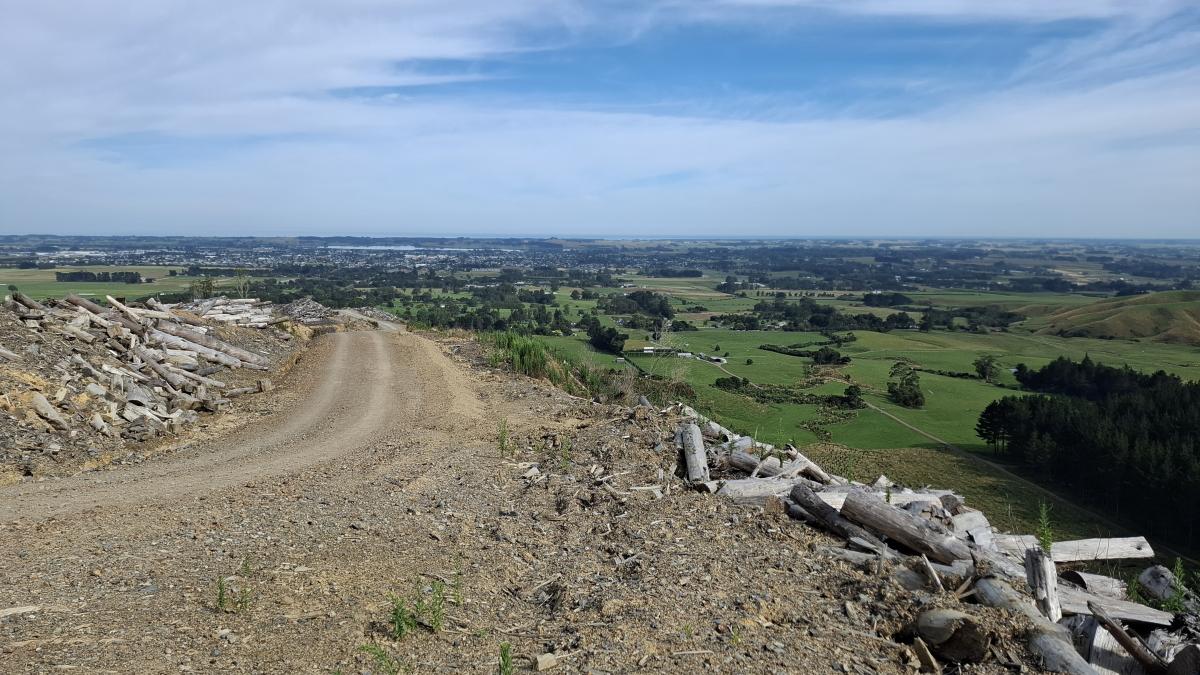
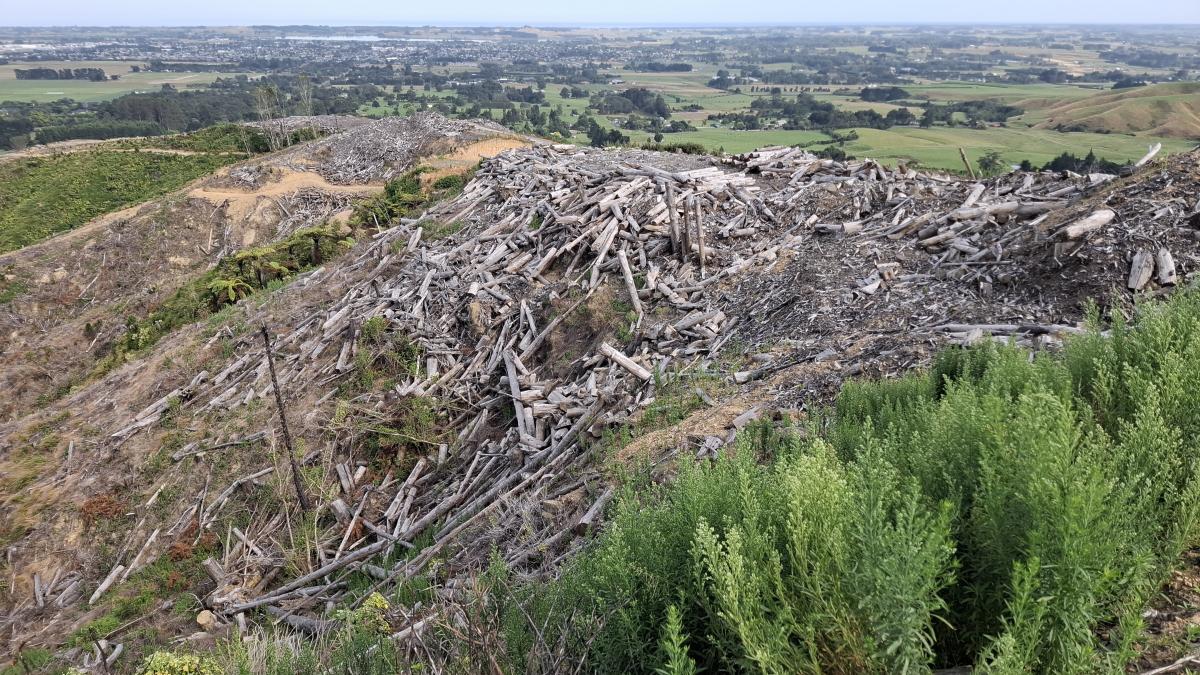
SLASH BESIDE THE TRACK UP TO TRIG
I question the wisdom and the morality of an industry which creates so much waste, waste which is also a cause of widespread and devastating damage. So, I searched the internet for potential uses of slash. It was easy to find.
I recommend a visit to nzbioforestry.co.nz. I quote from the website:
OUR SOLUTION:
NZ Bio Forestry proposes to develop a sustainable renewable forestry model that increases the economic value of the NZ- Aotearoa forestry sector, simply by integrating bio-technologies augmenting the forestry, wood manufacturing, and petrochemistry industries into one model.
Specifically, our strategy is to utilise the whole tree and convert the tree’s sugars into bioenergy, biomaterials, and biochemicals. This means using slash, off cuts, pruning, and wood waste to produce biofuel via bio pellets and biochemicals. It means optimising logs through the whole process….logging, manufacturing freighting, and refining process to serve the many Asia-Pacific markets with high-value products….not just exporting raw logs to one or two large dominant markets! (End of quote)
NZ Bio Forestry then contrasts the financial return from the present exports of raw logs with the potential return from utilising the WHOLE TREE.
In US dollars, the return from exporting logs is between $50 - $140 per log.
Using the whole tree including the slash and other waste for wood processing would return $200 - $800 per tree, and,
Using the bio-refinery process to convert the wood waste into fossil-free biochemicals would return $2,500 - $11,200 per tree.
I can’t help but conclude that our current focus on exporting logs is a pitiful failure of industry and government policy compared with the potential benefits of processing THE WHOLE TREE. And to complete the argument, this not just theory. In Scandinavia, SCA, which owns Europe’s largest private forest with 2.7 million hectares, has built a well-invested value chain that maximises the value of each individual tree and all of the forestry’s resources.
A SUMMARY OF POTENTIAL ADDITIONAL PRODUCTS:
Wood Pellets and Chips: Slash can be collected, dried, and processed into hog fuel or wood pellets for use in industrial boilers, as a replacement for coal, to generate heat and electricity.
Biofuel Production: Research is underway to convert forest residues into marine biofuel to help decarbonize the shipping sector.
Gasification: Advanced, small-scale, on-site processing plants can turn slash into renewable energy products like bio-oil, ethanol, and hydrogen.
Biochemicals: Specialized refineries can convert woody waste into sustainable alternatives to plastics, chemicals, and industrial products.
WAKE UP Aotearoa, New Zealand!!!
 Loading…