





Cat Allergy
What is cat allergen?
An allergen is a material that is capable of provoking an allergic reaction, such as pollen grains, dust mites or foods. Cat allergen is not cat hair, but a protein present in the dander and saliva of cats. These allergens become airborne as microscopic particles that can produce allergic symptoms when inhaled into the nose or lungs.
Although individual cats may produce more or less allergen, there is no relationship between the pet’s hair length and allergen production, and no such thing as a non-allergenic breed.
Where is cat allergen found?
Cat allergen is present in the largest amounts in homes with cats, but has also been found in homes where cats have never been present, and in offices or public spaces where animals are not allowed. Cat allergen is particularly sticky and is carried on clothing to other locations. It is almost impossible to not be exposed to some level of cat allergen. Of course, levels of exposure will be much higher where cats are present, and these levels are more likely to cause allergic symptoms.
Because cat allergen particles are particularly small (1/10 the size of dust mite allergen), they remain airborne for prolonged periods of time. Cat allergic individuals are more likely to have a rapid onset of symptoms when entering a room with cats, because the allergen will be in the air and can be easily inhaled. Opening windows, using exhaust fans and using high-efficiency air cleaners can decrease airborne allergen levels.
Soft furnishings, such as carpets, sofas, and mattresses, will hold cat allergen even after a cat is removed from the home or banished from the bedroom. It has been shown that it can take as long as 20 weeks for levels of allergen in carpets to decrease to the levels found in a home without a cat, and up to five years for cat allergen levels in mattresses to decrease to such levels. Removal or treatment of the carpet and sofa, and encasing of the mattress, will reduce the continued exposure to these reservoirs of allergen.
Cat allergen is also found on vertical surfaces such as walls. Attempts to decrease cat allergen exposure in a home should include wall cleaning. If the cat is removed to a restricted area of the home, it is important to realise that airflow through the duct system in a hot air heated home could spread the allergen. Efficient vent and furnace filters could help trap the allergens and reduce this spread.
Step 1: Use Allergen Wash. To get all the cat saliva and dander off your clothing and bedding, use a special detergent that removes all allergens. Use the warmest water setting possible for the fabrics to get all of the saliva and dander out.
Step 2: Use a vacuum with a high efficiency air filter. These filters remove more allergens from the carpeting and upholstery than regular vacuums. Vacuum all the floors and furniture thoroughly to get everything out. Wait several hours after the first vacuuming and go over everything again. This allows the dust you stir up the first time to settle, and you get the remnants of that dust on the second vacuuming. Make sure to empty the vacuum or change the bag outside to prevent everything you vacuumed from coming back in.
Step 3: Steam clean. After vacuuming everything completely, go over the whole area with a steam cleaner. The steam cleaner gets more of the allergens out of the carpet than the vacuum, picking up the cat saliva and dander deeper in the fibres.
Step 4: Take it to the cleaners. Take things you can't wash, such as curtains, to the cleaners. Cleaning will remove the cat saliva and dander from the fabrics. Curtain Clean has a special product used to remove cat allergen. You should advise your curtain or dry cleaners of your allergy so they may apply the correct product.
Step 5: Keep the cats off your fabrics. As soon as the cats get close to any of the fabrics, the dander and saliva will return. Studies have demonstrated that washing of cats with water removes much of their surface allergen, and significantly reduces the amount of future cat allergen produced.



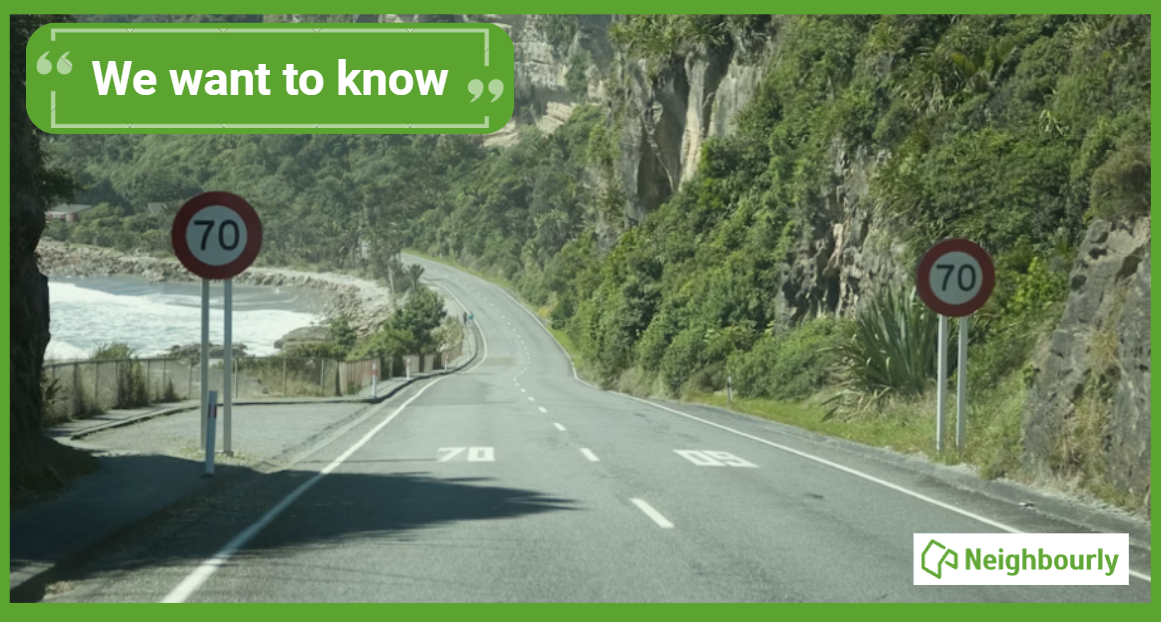
Poll: If we want to reduce speeding, what do you think actually changes driver behaviour? 🛻🚨🚓
In the Post's article on speeding penalties, the question is asked whether speeding fines are truly about road safety, or are they just a way to boost revenue for the Crown?
What do you think? Should speeding motorists receive speeding fines or demerit points?
-
30.2% The sting of a fine (Money talks!)
-
69.8% The threat of demerit points (Nobody wants to lose their license!)

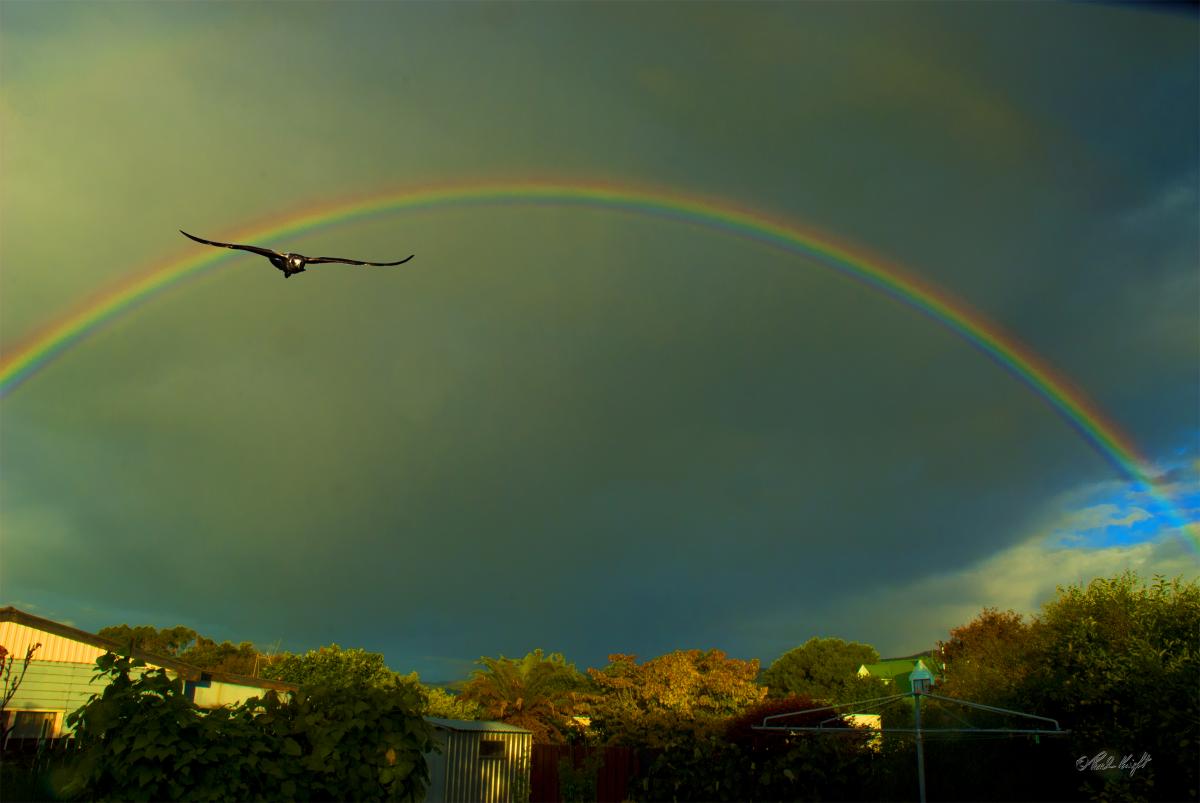
Harrier Hawk 0823
Harrier Hawks seem to have flight routines. It was not uncommon to see one flying southwards over Burn St from the Roslyn Rd area as this one was doing. I often wondered if it was always the same hawk but anyway I've not seen it happen recently.
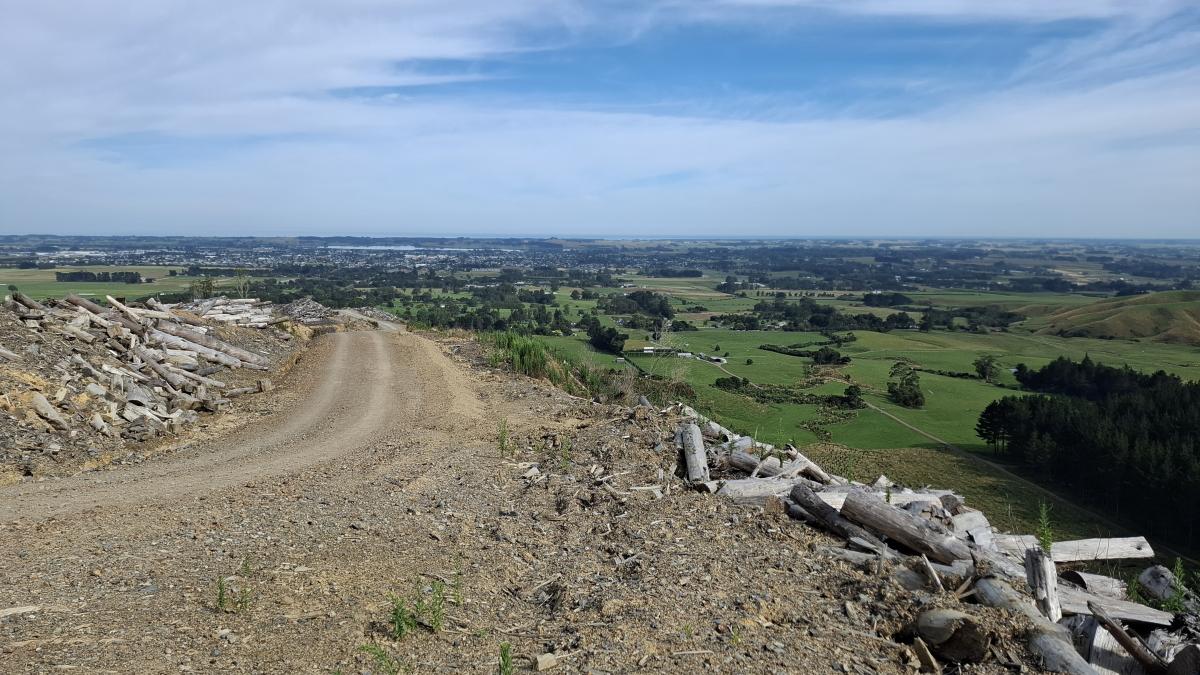
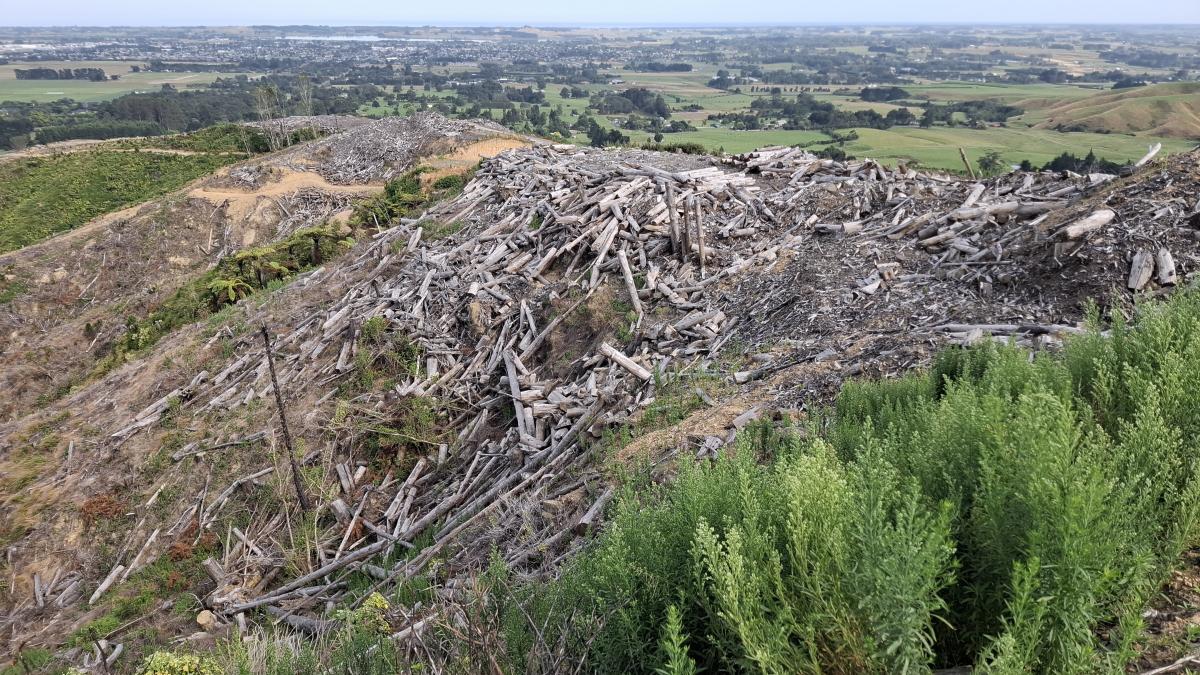
SLASH BESIDE THE TRACK UP TO TRIG
I question the wisdom and the morality of an industry which creates so much waste, waste which is also a cause of widespread and devastating damage. So, I searched the internet for potential uses of slash. It was easy to find.
I recommend a visit to nzbioforestry.co.nz. I quote from the website:
OUR SOLUTION:
NZ Bio Forestry proposes to develop a sustainable renewable forestry model that increases the economic value of the NZ- Aotearoa forestry sector, simply by integrating bio-technologies augmenting the forestry, wood manufacturing, and petrochemistry industries into one model.
Specifically, our strategy is to utilise the whole tree and convert the tree’s sugars into bioenergy, biomaterials, and biochemicals. This means using slash, off cuts, pruning, and wood waste to produce biofuel via bio pellets and biochemicals. It means optimising logs through the whole process….logging, manufacturing freighting, and refining process to serve the many Asia-Pacific markets with high-value products….not just exporting raw logs to one or two large dominant markets! (End of quote)
NZ Bio Forestry then contrasts the financial return from the present exports of raw logs with the potential return from utilising the WHOLE TREE.
In US dollars, the return from exporting logs is between $50 - $140 per log.
Using the whole tree including the slash and other waste for wood processing would return $200 - $800 per tree, and,
Using the bio-refinery process to convert the wood waste into fossil-free biochemicals would return $2,500 - $11,200 per tree.
I can’t help but conclude that our current focus on exporting logs is a pitiful failure of industry and government policy compared with the potential benefits of processing THE WHOLE TREE. And to complete the argument, this not just theory. In Scandinavia, SCA, which owns Europe’s largest private forest with 2.7 million hectares, has built a well-invested value chain that maximises the value of each individual tree and all of the forestry’s resources.
A SUMMARY OF POTENTIAL ADDITIONAL PRODUCTS:
Wood Pellets and Chips: Slash can be collected, dried, and processed into hog fuel or wood pellets for use in industrial boilers, as a replacement for coal, to generate heat and electricity.
Biofuel Production: Research is underway to convert forest residues into marine biofuel to help decarbonize the shipping sector.
Gasification: Advanced, small-scale, on-site processing plants can turn slash into renewable energy products like bio-oil, ethanol, and hydrogen.
Biochemicals: Specialized refineries can convert woody waste into sustainable alternatives to plastics, chemicals, and industrial products.
WAKE UP Aotearoa, New Zealand!!!
 Loading…