





Natural Animal-Based Textile Fibres
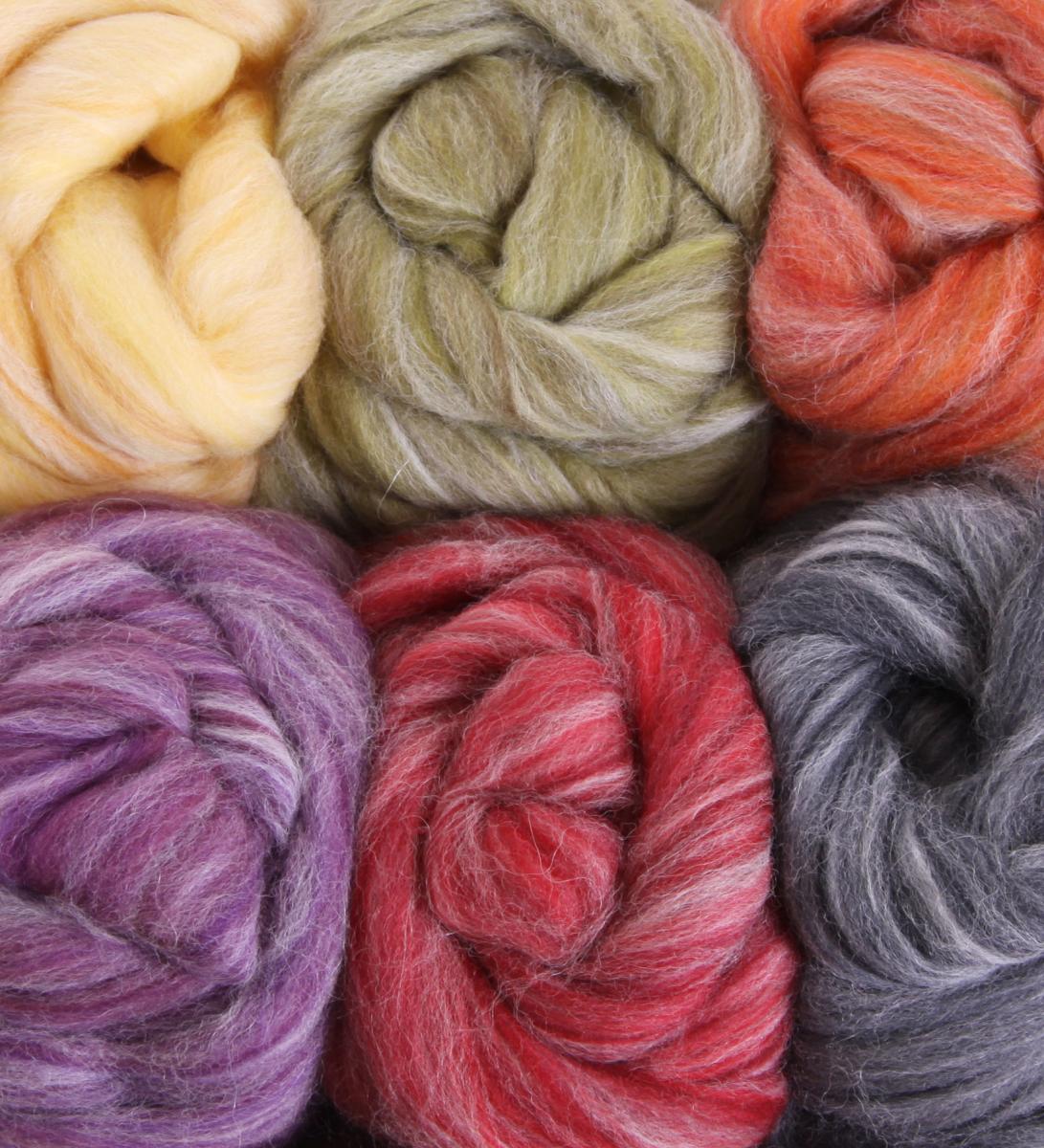
Animal-based fibres are wool, fur, and excretions, such as silk.
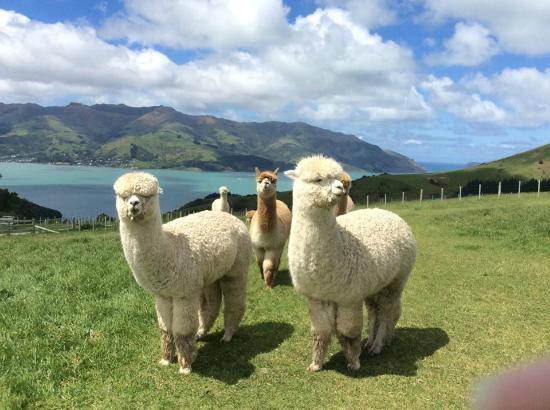
Alpaca: Alpaca is a very exclusive fibre, hollow in part of its structure, and it comes naturally in twenty-three different colours. It is extremely lightweight, has great insulation properties and is stronger than sheep’s wool. Alpaca is mixed with other natural fibres such as mohair, silk, or wool to make luxurious garments of the highest quality, both in knitted and flat fabrics.
Alpaca fibres of higher quality coming from the shearing of pups and younger specimens are considered smoother, softer, and warmer than cashmere. It is currently being used to manufacture sportswear. The leading brands in sports have been seduced by this fibre due to its insulation qualities in cold weather.
Angora: Angora is a natural animal-based fibre that comes from the Angora rabbit. It is silky, thin, and soft. This “ultra-silky” white hair from the Angora rabbit is a hollow fibre classified as wool. The hair is light, with great water absorption and quick dry.
Extremely light but very warm, angora is used mainly to make woven clothes such as pullovers, vests, sweaters, and fashion accessories for winter season. Flat fabrics with angora are used to manufacture thermal garments. Angora is mixed with wool to create greater density and elasticity in the fabric, especially for the production of suits and blazers. It also used to make high-quality and luxurious garments.
Cashmere: Cashmere comes from the Kashmir goat, a native of the Himalayas.
Cashmere is a very expensive and exclusive fibre. It is extremely soft and has great thermal properties; cashmere is used to manufacture high-quality sweaters and children’s warm clothes. The well-known “pashmina” is a type of cashmere used in shawls and scarves, produced in the Kashmir Valley. More robust cashmere is employed to manufacture high-quality rugs and carpets.
Sheep wool: A limited supply and its exceptional qualities have made wool the most widely used animal-based textile fibre in the fashion and textile industry.
Wool is a fibre with curly appearance, elastic, soft to the touch, which easily absorbs moisture and has an extremely low rate of heat release. These last few characteristics make woollen garments comfortable and warm.
Wool is a fibre of multiple functions and a wide range of diameters that make it perfect for manufacturing clothing items and fashionable accessories. It is mixed with other natural and synthetic fibres to increase strength. Wool is also used in household textile products as well as in industrial developments such as thermal and acoustic insulation.
Mohair: Mohair is the hair of the Angora goat from the Tibet. It is a very shiny, insulating type of wool, softer and stronger than sheep wool. Mohair is white and dyes with exceptional ease. It has excellent absorption capacity and is mainly used to make knitted garments and crochet accessories. Mohair is also utilized in household textiles to make luxurious beddings and upholstery.
Camel hair: Obtained from Bactrian camels with two humps, it is a fine, soft fibre that is used exclusively in luxurious textiles due to its quality and small supply. To manufacture ultra-exclusive items, camel hair is mixed with cashmere and, in other cases, due to its high cost, it is combined with wool to reduce the final price tag of the garment.
This fibre is employed to manufacture a wide variety of clothing items –suits, coats, sweaters, and jackets—and other accessories for winter season such as gloves, hats, and scarves.
Silk: In many people’s eyes, silk is still “the queen of fabrics”.
Silk is a protein filament produced by the silkworm. Feeding on mulberry leaves, the worm produces liquid silk that once solidified forms the filaments to build its cocoon. Then, once the larva is dead, heat is used to soften the hardened filaments and to unroll them. These individual filaments are later intertwined into one single filament to form the silk yarn.
Silk is a lightweight, lustrous, and soft fibre. It is highly resistant to tensile strength with little or no elasticity. Silk is very glossy because of the triangular prism structure of the fibre and this causes garments made of this fabric to refract incoming light into different angles.
Naturally, silk is used in high-quality textile industry to produce exquisite accessories as well as luxurious, haute couture garments. Additionally, it is utilized in a wide range of home décor items.

Poll: If we want to reduce speeding, what do you think actually changes driver behaviour? 🛻🚨🚓
In the Post's article on speeding penalties, the question is asked whether speeding fines are truly about road safety, or are they just a way to boost revenue for the Crown?
What do you think? Should speeding motorists receive speeding fines or demerit points?

-
31.2% The sting of a fine (Money talks!)
-
68.8% The threat of demerit points (Nobody wants to lose their license!)

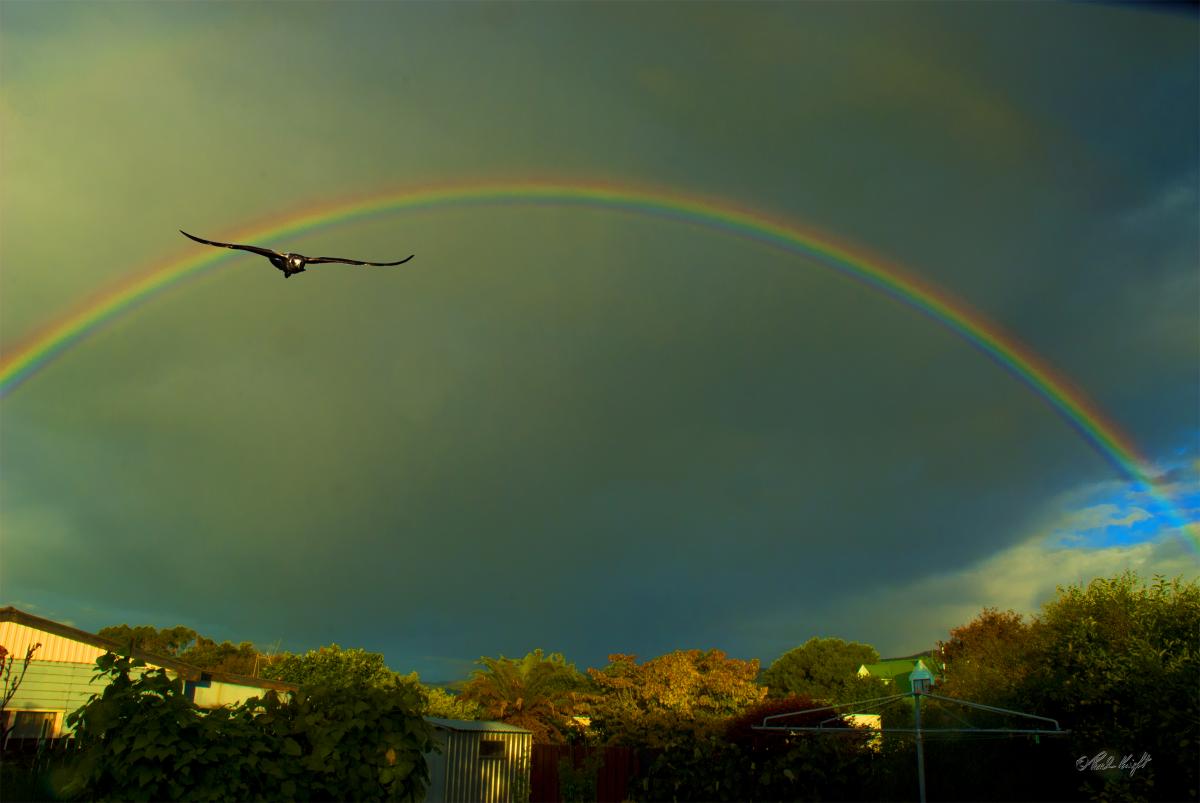
Harrier Hawk 0823
Harrier Hawks seem to have flight routines. It was not uncommon to see one flying southwards over Burn St from the Roslyn Rd area as this one was doing. I often wondered if it was always the same hawk but anyway I've not seen it happen recently.
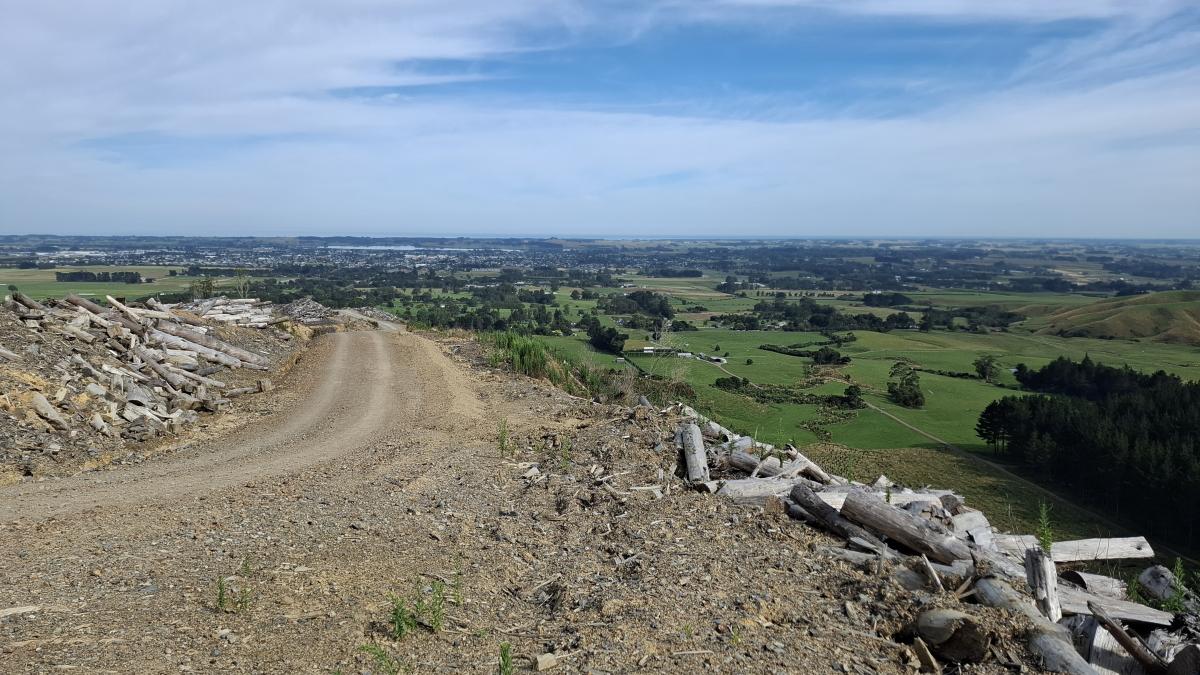
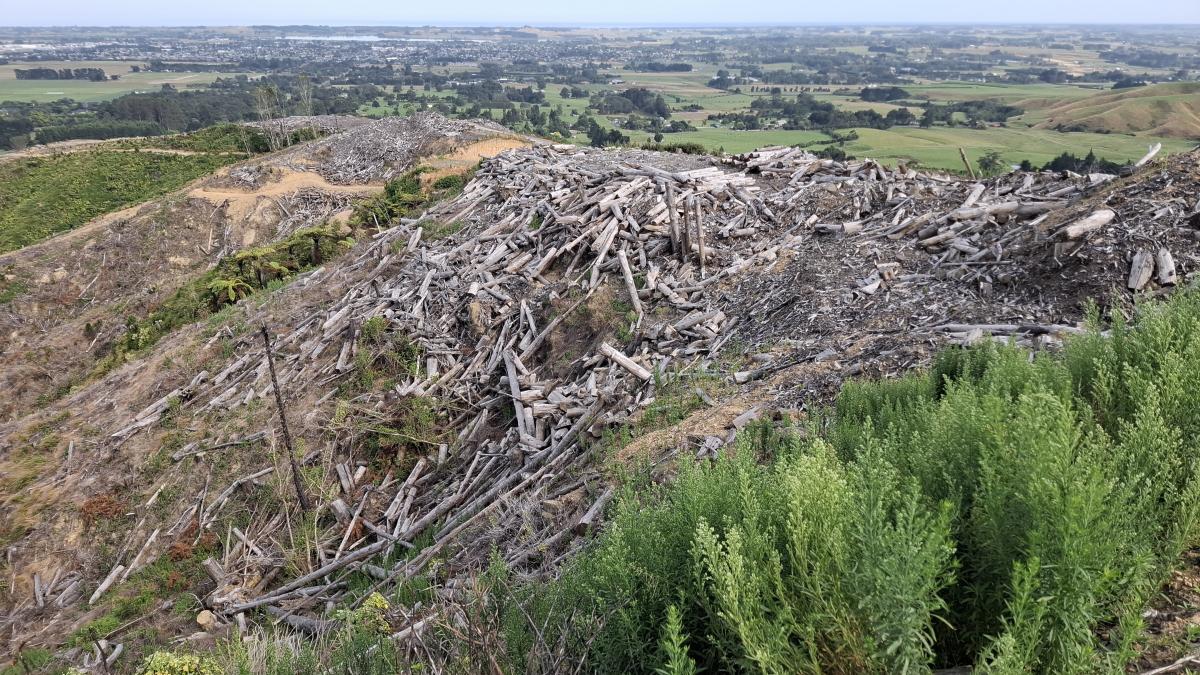
SLASH BESIDE THE TRACK UP TO TRIG
I question the wisdom and the morality of an industry which creates so much waste, waste which is also a cause of widespread and devastating damage. So, I searched the internet for potential uses of slash. It was easy to find.
I recommend a visit to nzbioforestry.co.nz. I quote from the website:
OUR SOLUTION:
NZ Bio Forestry proposes to develop a sustainable renewable forestry model that increases the economic value of the NZ- Aotearoa forestry sector, simply by integrating bio-technologies augmenting the forestry, wood manufacturing, and petrochemistry industries into one model.
Specifically, our strategy is to utilise the whole tree and convert the tree’s sugars into bioenergy, biomaterials, and biochemicals. This means using slash, off cuts, pruning, and wood waste to produce biofuel via bio pellets and biochemicals. It means optimising logs through the whole process….logging, manufacturing freighting, and refining process to serve the many Asia-Pacific markets with high-value products….not just exporting raw logs to one or two large dominant markets! (End of quote)
NZ Bio Forestry then contrasts the financial return from the present exports of raw logs with the potential return from utilising the WHOLE TREE.
In US dollars, the return from exporting logs is between $50 - $140 per log.
Using the whole tree including the slash and other waste for wood processing would return $200 - $800 per tree, and,
Using the bio-refinery process to convert the wood waste into fossil-free biochemicals would return $2,500 - $11,200 per tree.
I can’t help but conclude that our current focus on exporting logs is a pitiful failure of industry and government policy compared with the potential benefits of processing THE WHOLE TREE. And to complete the argument, this not just theory. In Scandinavia, SCA, which owns Europe’s largest private forest with 2.7 million hectares, has built a well-invested value chain that maximises the value of each individual tree and all of the forestry’s resources.
A SUMMARY OF POTENTIAL ADDITIONAL PRODUCTS:
Wood Pellets and Chips: Slash can be collected, dried, and processed into hog fuel or wood pellets for use in industrial boilers, as a replacement for coal, to generate heat and electricity.
Biofuel Production: Research is underway to convert forest residues into marine biofuel to help decarbonize the shipping sector.
Gasification: Advanced, small-scale, on-site processing plants can turn slash into renewable energy products like bio-oil, ethanol, and hydrogen.
Biochemicals: Specialized refineries can convert woody waste into sustainable alternatives to plastics, chemicals, and industrial products.
WAKE UP Aotearoa, New Zealand!!!
 Loading…