




Why do we love Linen?
As we all known that Linen is a natural fibre. linen is one of the earliest natural plant fibres that have been used for more than 10,000 years.
Flax fibre is a rare natural fibre, accounting for only 1.5% of the total fibre. Due to its natural and ancient nobility and high quality, it is known as the fibre queen. It comes from the stems of the flax plant. linen fabric or weave is produced of fibre of the flax plant.
Why do people love linen fabric so much? Let's look at his benefits.
1. Its cultivation requires less pesticides and fertilisers
Flax, the source material for linen, is undemanding when not vulnerable to pests (compared to cotton). Useful animals like insects are not eradicated and cultivation is more environmentally friendly. Yay.
2. Linen does not require artificial watering
Flax is very adaptable. It simply takes what is there and normally does not require further artificial irrigation.
3. It can be cultivated locally
That means the linen is not shipped through half of the world to get processed in the factories. Rather, ways are short and direct.
4. It has a high yield
Flax has a high yield. That means, that in a specific area many plants can grow and be harvested.
5. Flax can be used in a crop rotation system
In contrast to monocultures, a crop rotation system is healthy and nutritional for the soil where it is planted and does also help insects to be able to feed from different plants.
6. Linen is diverse
Flax can not only be used for clothing. That means, that a high share of the whole plant can be used to produce a variety of goods. This prevents waste and helps different industries.
7. Linen is durable
The final fabric is durable and easy to take care of. When not too dirty, you can simply hang it outside and it will lose its smell quickly, just like wool does.
8. It has super nice properties on your skin
Linen has a special cooling effect and is therefore ideal for warm days. Also, it is strong, lightweight, and most importantly, durable, so you can use it for a long time!
9. Linen has history
The Egyptians used linen thousands of years ago (rich and poor Egyptians alike) and there is evidence that as long as 34,000 BC, people were using linen-like clothing.
10. Linen is biodegradable
Linen is compostable and will therefore not lie on landfills years and years after being disposed. It will either be composted or recycled if you dispose of it correctly.
If you own linen curtains - we can clean them! We take extra measures to prevent shrinking and they are pressed after cleaning so they stay hanging beautifully. See our website to book your curtains in. www.curtainclean.co.nz...

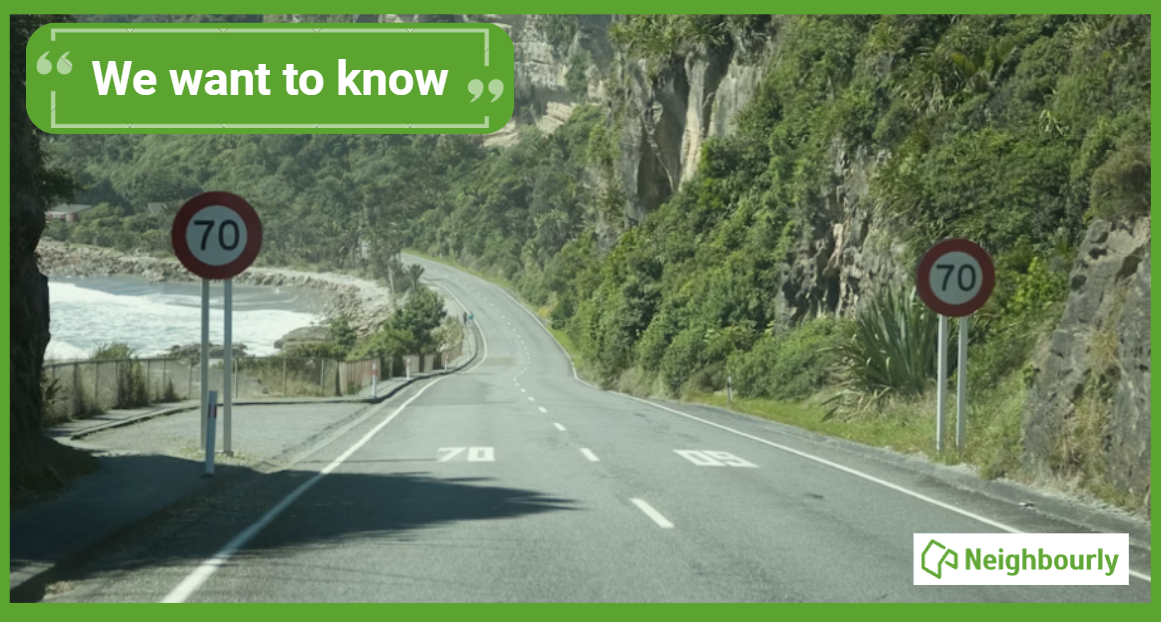
Poll: If we want to reduce speeding, what do you think actually changes driver behaviour? 🛻🚨🚓
In the Post's article on speeding penalties, the question is asked whether speeding fines are truly about road safety, or are they just a way to boost revenue for the Crown?
What do you think? Should speeding motorists receive speeding fines or demerit points?
-
31.9% The sting of a fine (Money talks!)
-
68.1% The threat of demerit points (Nobody wants to lose their license!)
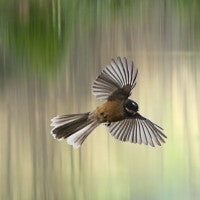
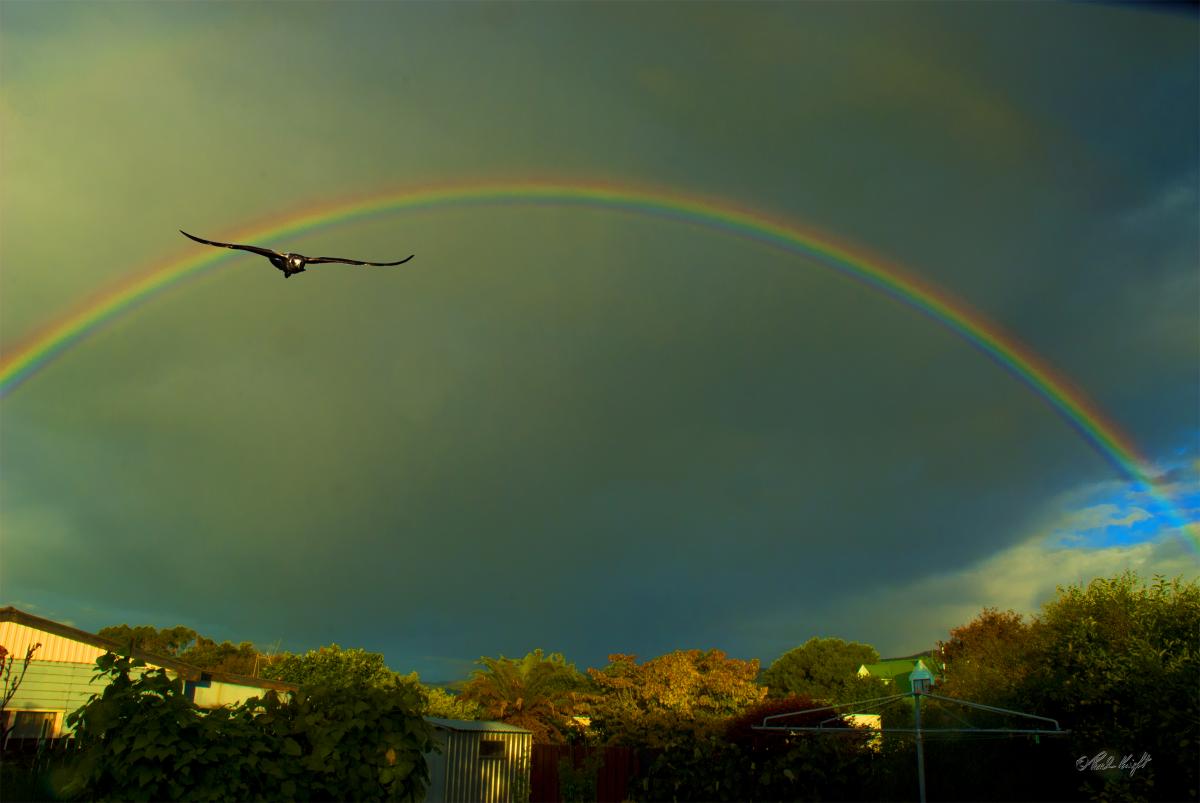
Harrier Hawk 0823
Harrier Hawks seem to have flight routines. It was not uncommon to see one flying southwards over Burn St from the Roslyn Rd area as this one was doing. I often wondered if it was always the same hawk but anyway I've not seen it happen recently.
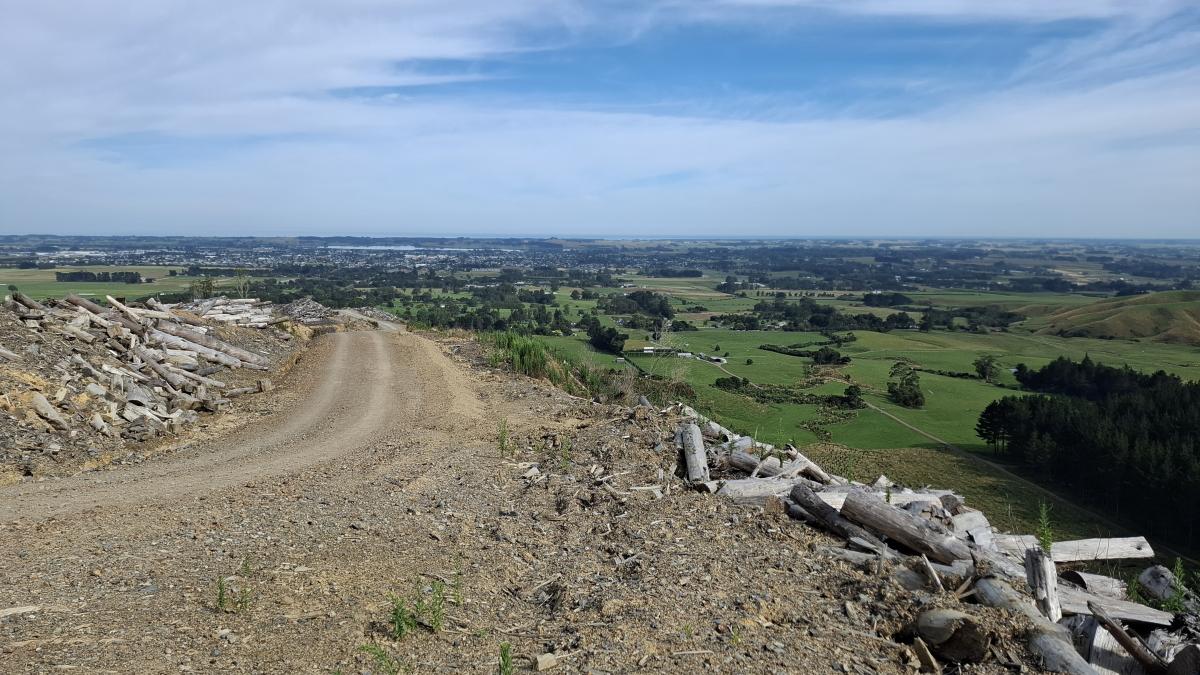
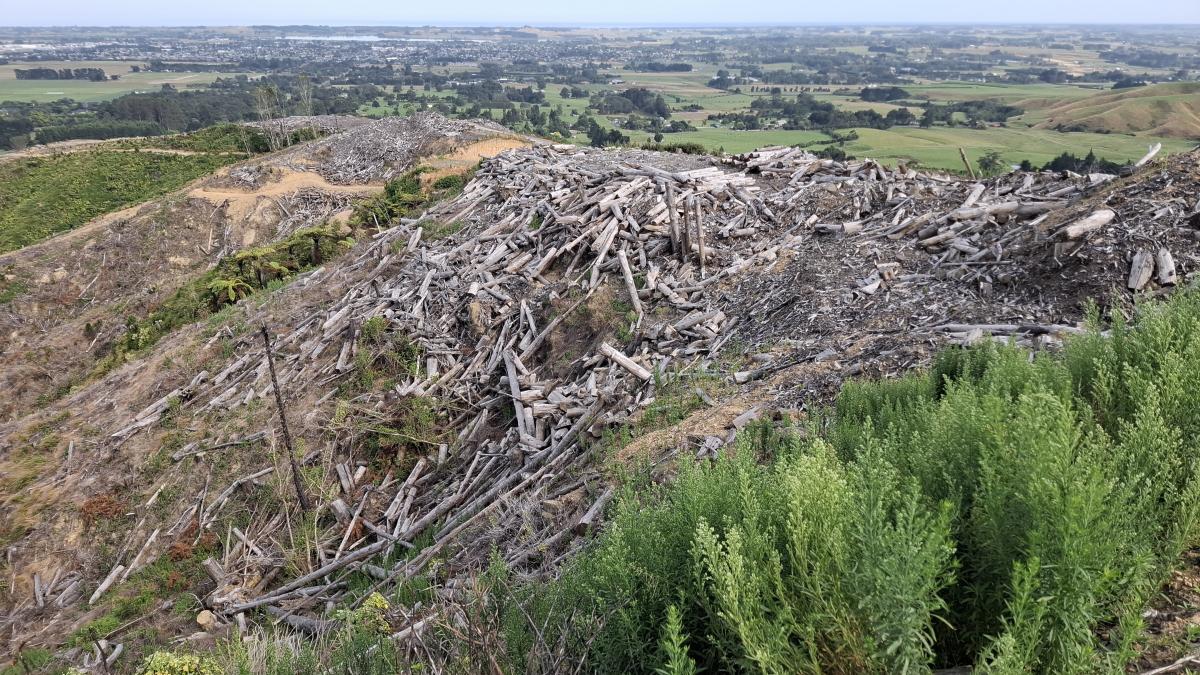
SLASH BESIDE THE TRACK UP TO TRIG
I question the wisdom and the morality of an industry which creates so much waste, waste which is also a cause of widespread and devastating damage. So, I searched the internet for potential uses of slash. It was easy to find.
I recommend a visit to nzbioforestry.co.nz. I quote from the website:
OUR SOLUTION:
NZ Bio Forestry proposes to develop a sustainable renewable forestry model that increases the economic value of the NZ- Aotearoa forestry sector, simply by integrating bio-technologies augmenting the forestry, wood manufacturing, and petrochemistry industries into one model.
Specifically, our strategy is to utilise the whole tree and convert the tree’s sugars into bioenergy, biomaterials, and biochemicals. This means using slash, off cuts, pruning, and wood waste to produce biofuel via bio pellets and biochemicals. It means optimising logs through the whole process….logging, manufacturing freighting, and refining process to serve the many Asia-Pacific markets with high-value products….not just exporting raw logs to one or two large dominant markets! (End of quote)
NZ Bio Forestry then contrasts the financial return from the present exports of raw logs with the potential return from utilising the WHOLE TREE.
In US dollars, the return from exporting logs is between $50 - $140 per log.
Using the whole tree including the slash and other waste for wood processing would return $200 - $800 per tree, and,
Using the bio-refinery process to convert the wood waste into fossil-free biochemicals would return $2,500 - $11,200 per tree.
I can’t help but conclude that our current focus on exporting logs is a pitiful failure of industry and government policy compared with the potential benefits of processing THE WHOLE TREE. And to complete the argument, this not just theory. In Scandinavia, SCA, which owns Europe’s largest private forest with 2.7 million hectares, has built a well-invested value chain that maximises the value of each individual tree and all of the forestry’s resources.
A SUMMARY OF POTENTIAL ADDITIONAL PRODUCTS:
Wood Pellets and Chips: Slash can be collected, dried, and processed into hog fuel or wood pellets for use in industrial boilers, as a replacement for coal, to generate heat and electricity.
Biofuel Production: Research is underway to convert forest residues into marine biofuel to help decarbonize the shipping sector.
Gasification: Advanced, small-scale, on-site processing plants can turn slash into renewable energy products like bio-oil, ethanol, and hydrogen.
Biochemicals: Specialized refineries can convert woody waste into sustainable alternatives to plastics, chemicals, and industrial products.
WAKE UP Aotearoa, New Zealand!!!
 Loading…