




Facts about Fabrics!
• The average lifetime of a piece of clothing is approximately 3 years.
• Flax is the earliest known natural textile fabric seen used in about 5000 BC. Flax is the material used to make linen which is seeing a huge come back today in drapery and upholstery.
• Nike (with subsidiary Converse) is the largest fashion company in the world, with a market value of $105 billion.
• There is evidence that cotton and wool were used to create natural fabrics in about 3000 BC and evidence of silk use in 2500 BC in China.
• China is the largest maker and exporter of silk in the world and has been for 100’s of years.
• The average person buys 60 percent more items of clothing every year and keeps them for about half as long as 15 years ago, generating a huge amount of waste.
• The earliest evidence of fabric textiles has been found in Turkey, Egypt, and Israel.
• The creation of man-made fibres has only been within the last 100 years. Rayon was the first man-made fibre created in 1910 and it was called ‘artificial silk’. Viscose is the most common form of Rayon.
• More than 70 percent of the world's population uses second-hand clothing. About 50 percent of collected shoes and clothing is used as second-hand products. Meanwhile, 20 percent is used to produce polishing and cleaning cloths for various industrial purposes, and 26 percent is recycled for applications such as fibre for insulation products, upholstery, fibreboard, and mattresses.
• Microfibre or Ultrasuede was invented over 20 years ago in Japan. Microfibre is the thinnest of all man-made fibres, even finer than silk. it is 100 times finer than a human hair.
• Acrylic is a man-made fibre that has a soft, wool-like hand, is machine washable and has excellent colour retention. It is often an additive to textiles to take advantage of these properties.
• Nearly 100 percent of textiles and clothing are recyclable.
• Nylon is also man-made and was first produced in 1938. It has high strength, excellent resilience, and superior abrasion resistance. Nylon replaced silk stockings for women in the early part of the 20th century.
• The highest quality cotton comes from Egypt.
• Textiles and shoes make up 12% of landfill sites.
• Bamboo is a grass that has been used to create a fabric that hangs much like a heavy linen. It has natural wicking ability that pulls moisture away from the skin so it can be useful in reducing moisture related odour. It also has natural anti-bacterial qualities. Bamboo grows quickly and does not need pesticides to thrive, making it one of the more sustainable textile sources.
Dirty textiles? We can probably help with that - 0800 579 0501.

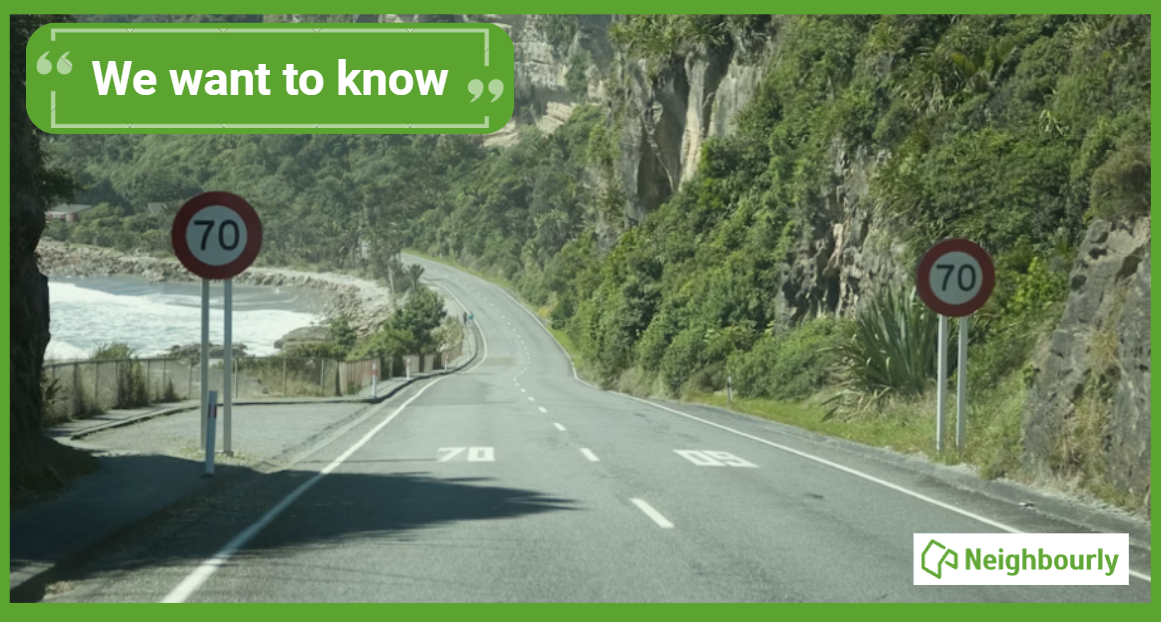
Poll: If we want to reduce speeding, what do you think actually changes driver behaviour? 🛻🚨🚓
In the Post's article on speeding penalties, the question is asked whether speeding fines are truly about road safety, or are they just a way to boost revenue for the Crown?
What do you think? Should speeding motorists receive speeding fines or demerit points?
-
31.9% The sting of a fine (Money talks!)
-
68.1% The threat of demerit points (Nobody wants to lose their license!)

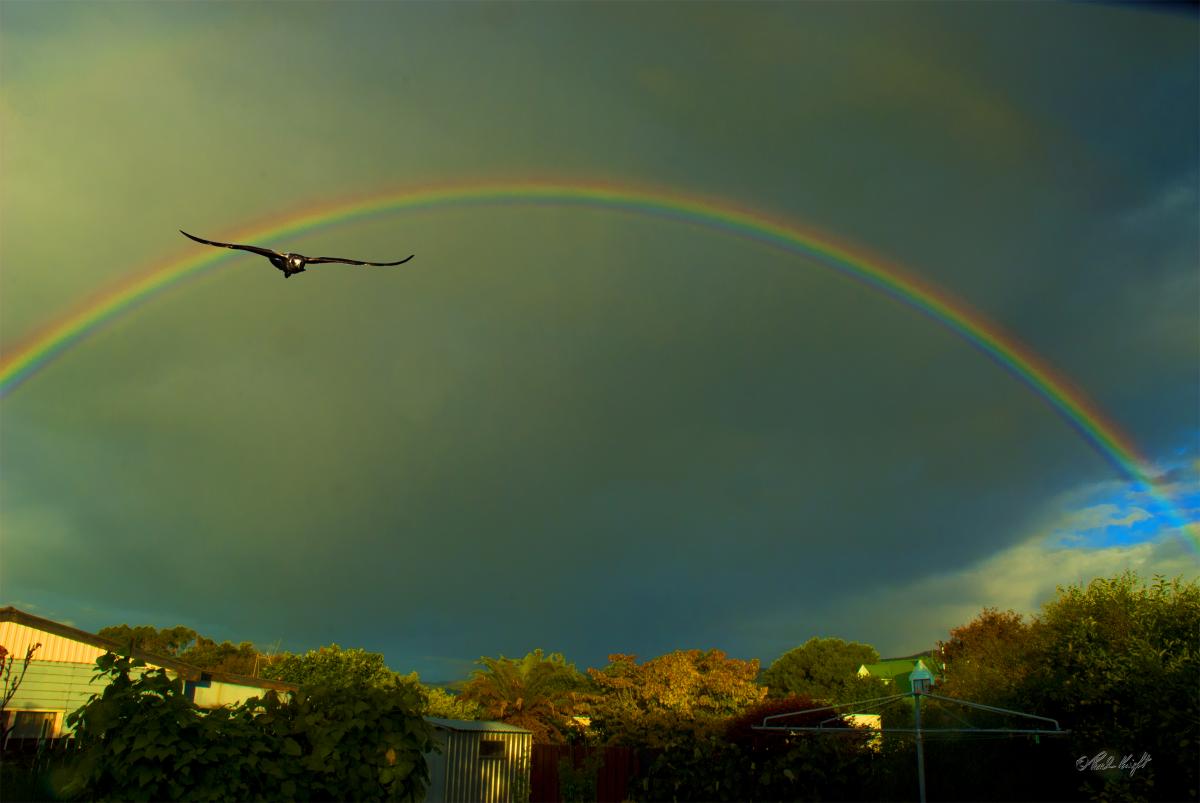
Harrier Hawk 0823
Harrier Hawks seem to have flight routines. It was not uncommon to see one flying southwards over Burn St from the Roslyn Rd area as this one was doing. I often wondered if it was always the same hawk but anyway I've not seen it happen recently.
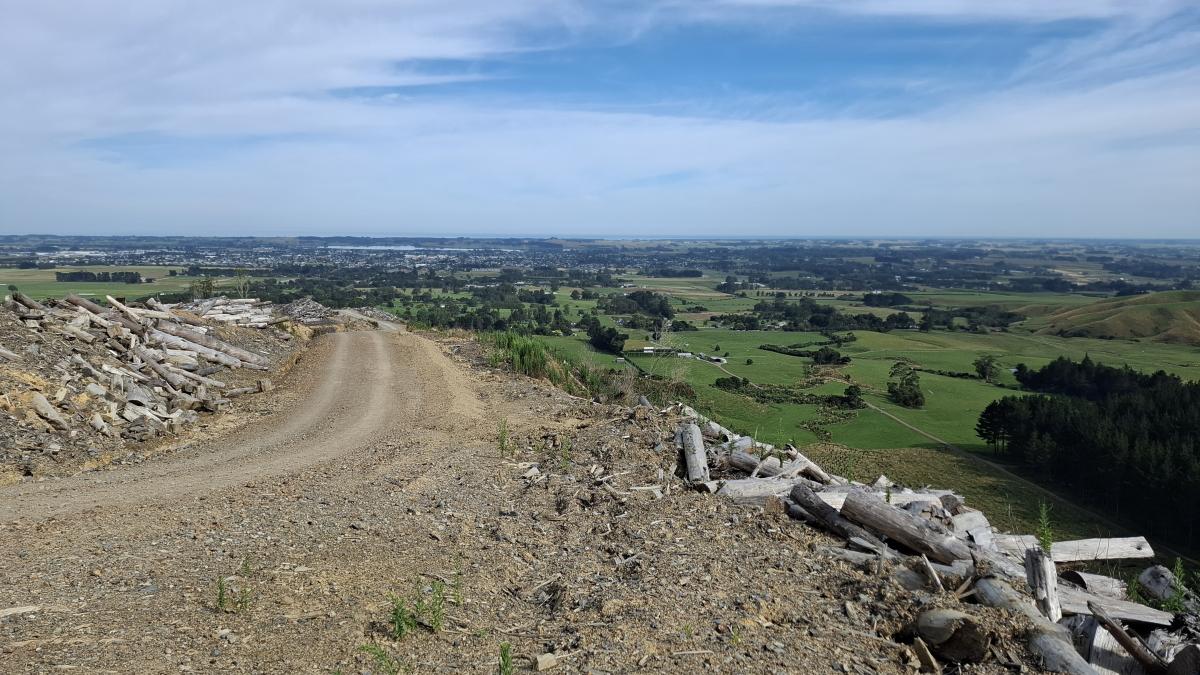
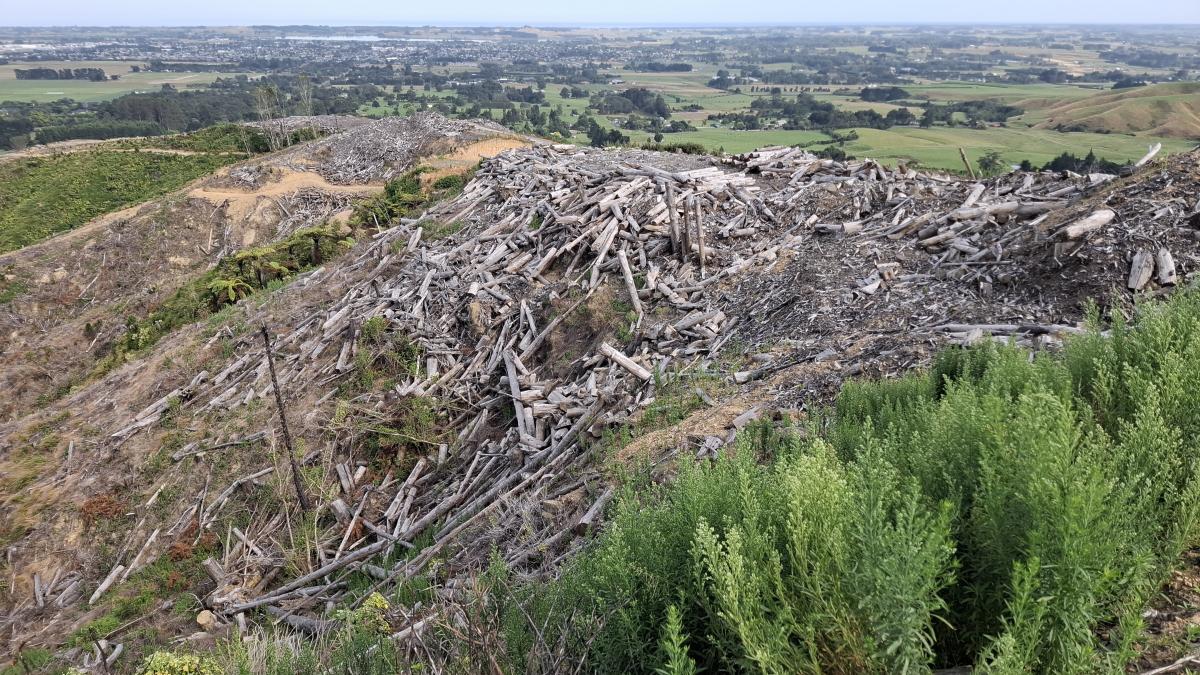
SLASH BESIDE THE TRACK UP TO TRIG
I question the wisdom and the morality of an industry which creates so much waste, waste which is also a cause of widespread and devastating damage. So, I searched the internet for potential uses of slash. It was easy to find.
I recommend a visit to nzbioforestry.co.nz. I quote from the website:
OUR SOLUTION:
NZ Bio Forestry proposes to develop a sustainable renewable forestry model that increases the economic value of the NZ- Aotearoa forestry sector, simply by integrating bio-technologies augmenting the forestry, wood manufacturing, and petrochemistry industries into one model.
Specifically, our strategy is to utilise the whole tree and convert the tree’s sugars into bioenergy, biomaterials, and biochemicals. This means using slash, off cuts, pruning, and wood waste to produce biofuel via bio pellets and biochemicals. It means optimising logs through the whole process….logging, manufacturing freighting, and refining process to serve the many Asia-Pacific markets with high-value products….not just exporting raw logs to one or two large dominant markets! (End of quote)
NZ Bio Forestry then contrasts the financial return from the present exports of raw logs with the potential return from utilising the WHOLE TREE.
In US dollars, the return from exporting logs is between $50 - $140 per log.
Using the whole tree including the slash and other waste for wood processing would return $200 - $800 per tree, and,
Using the bio-refinery process to convert the wood waste into fossil-free biochemicals would return $2,500 - $11,200 per tree.
I can’t help but conclude that our current focus on exporting logs is a pitiful failure of industry and government policy compared with the potential benefits of processing THE WHOLE TREE. And to complete the argument, this not just theory. In Scandinavia, SCA, which owns Europe’s largest private forest with 2.7 million hectares, has built a well-invested value chain that maximises the value of each individual tree and all of the forestry’s resources.
A SUMMARY OF POTENTIAL ADDITIONAL PRODUCTS:
Wood Pellets and Chips: Slash can be collected, dried, and processed into hog fuel or wood pellets for use in industrial boilers, as a replacement for coal, to generate heat and electricity.
Biofuel Production: Research is underway to convert forest residues into marine biofuel to help decarbonize the shipping sector.
Gasification: Advanced, small-scale, on-site processing plants can turn slash into renewable energy products like bio-oil, ethanol, and hydrogen.
Biochemicals: Specialized refineries can convert woody waste into sustainable alternatives to plastics, chemicals, and industrial products.
WAKE UP Aotearoa, New Zealand!!!
 Loading…