





Did you know you can clean your curtains?
Curtains, drapes and blinds are an essential part of any room in the home. They gather dust, road film, pet hair, and dander — even mould spores. Over time, these things accumulate and make your window treatments look dingy.
It is important that they are taken care of so that they have optimal function. Often people will hang curtains and then will forget about cleaning them which leaves dirt and dust hanging on your curtains. Once you start to regularly clean your curtains it will allow you to enjoy them even more.
Every time you open or close dirty curtains, the dust and other debris swirls around in your home’s air. Eventually, it lands on your furniture and floors, making your home look and smell dirty. If you suffer from indoor allergies, washing your curtains regularly will really help ease symptoms.
There are some reasons you want to clean your curtains regularly like if you or someone in the house has allergies. The curtains can be a holding ground for dust, dander, and dirt eventually if not washed often enough. Also, if there is a smoker in the house you will want to wash your curtains more than once a month at least. The smell of the smoke can quickly come embedded into the material of your curtains if not properly cared for.
There are a few other reasons to wash your curtains more often like living near a dusty road or even near the beach and salt water. It may wear away the colour of your curtains if not cleaned regularly. The hooks in the top go rust and need to be replaced before the rust starts to stain the fabric.
Curtains can be expensive and are certainly a luxury for any home. It is important to take good care of them so they last longer. Taking care of your belongings is always necessary to keep them looking fresh and new.
Call Curtain Clean to organise our door-to-door service or drop your curtains into our workshop anytime! See our website if you’d like more information: www.curtainclean.co.nz...


🧩😏 Riddle me this, Neighbours…
I am an odd number. Take away a letter and I become even. What number am I?
Do you think you know the answer?
Want to stop seeing these in your newsfeed? No worries! Simply head here and click once on the Following button.

Scam Alert: Bank cold calls
ASB is warning customers about reports of cold calls from scammers claiming to be from ASB. These scammers are trying to obtain personal information, including usernames, dates of birth, and verification codes sent to your mobile phone.
🛡️ The "Caller Check" Test
If you get a call from someone claiming to be from ASB and you’re unsure, just ask them for a Caller Check. You will then be able to verify the call through the app.
Remember, banks will:
❌ Never ask for your banking passwords, PINs, or verification codes
❌ Never need to know your full credit card number – especially the CVC
❌ Never ask you to download software or remotely access your device
❌ Never ask you to purchase gift cards or transfer funds.
If you have received a phone call and think your account has been compromised, call ASB on 0800 ASB FRAUD (0800 272 372), or visit your local branch.

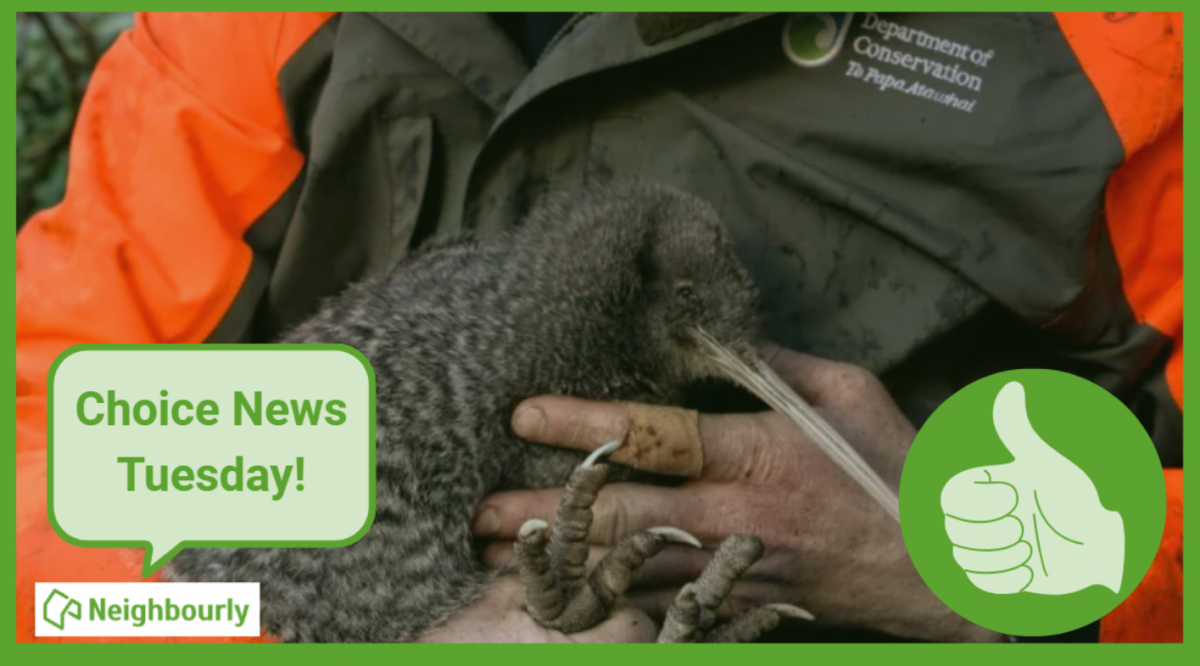
Some Choice News!
DOC is rolling out a new tool to help figure out what to tackle first when it comes to protecting our threatened species and the things putting them at risk.
Why does this matter? As Nikki Macdonald from The Post points out, we’re a country with around 4,400 threatened species. With limited time and funding, conservation has always meant making tough calls about what gets attention first.
For the first time, DOC has put real numbers around what it would take to do everything needed to properly safeguard our unique natural environment. The new BioInvest tool shows the scale of the challenge: 310,177 actions across 28,007 sites.
Now that we can see the full picture, it brings the big question into focus: how much do we, as Kiwis, truly value protecting nature — and what are we prepared to invest to make it happen?
We hope this brings a smile!
 Loading…