






Market Insights
Number of first home buyers getting into a home of their own at an eight year low
The number of first home buyers getting into a home of their own at the start of this year was at its lowest level since 2015.
According to the latest Reserve Bank figures, banks approved just 1166 mortgages for first home buyers in January, the lowest number in any month of the year since January 2015 (apart from April 2020 when housing market activity came to a standstill due to the Covid lockdown).
And as mortgage interest rates have been steadily rising, the amount being borrowed by first home buyers has been steadily decreasing.
In January this year the average value of the loans approved to first home buyers was $548,885. That's down by $46,513 (-7.8%) from its May 2022 peak of $595,398.
However almost a third of those loans approved in January this year were low equity loans to first first home buyers with less than a 20% deposit.
In January this year, 370 low equity mortgages were approved to first home buyers.
Although that is a low number, it made up 31.7% of all the mortgage approved to first home buyers in January.
That was the first time the low equity loans to first home buyers have gone above 30% of the total since November 2021, when house prices also hit their cyclical peak.
While rising interest rates have reduced the number of first home buyers getting into their own homes, they are also affecting the amount they are paying for them.
Although higher interest costs mean fewer aspiring first home buyers are getting into a home of their own, they are proving to be a more resilient part of the market than either investors or existing owner-occupiers.
However the low overall number of mortgages being approved to aspiring first home buyers suggests that home ownership likely remains an impossible dream for many.


Poll: Should we ditch daylight saving? 🕰️
First introduced in New Zealand in 1927 with the passing of the Summer Time Act, it's what we know as 'Daylight Saving' and this year it ends on the first Sunday in April.
While we do get to sleep in this time around, some people would like to scrap the clock tinkering for good.
And why? Some evidence suggests the time changes are bad for our health as they mess with sleep patterns leading to short-term fatigue and affecting mood. Meanwhile the hour change is frustrating for farmers and a nightmare for getting the littlies to sleep. But what's your take?

-
41% Yes - get rid of the clock changes
-
57.2% No, I enjoy it
-
1.8% Other - I'll share below

Don't overthink this riddle...
I have a silver sole
but no feet,
I make my living by bringing the heat.
What am I?
Do you think you know the answer? Simply 'Like' this post if you know the answer and the big reveal will be posted in the comments at 2pm on the day!
Want to stop seeing these in your newsfeed?
Head here and hover on the Following button on the top right of the page (and it will show Unfollow) and then click it. If it is giving you the option to Follow, then you've successfully unfollowed the Riddles page.


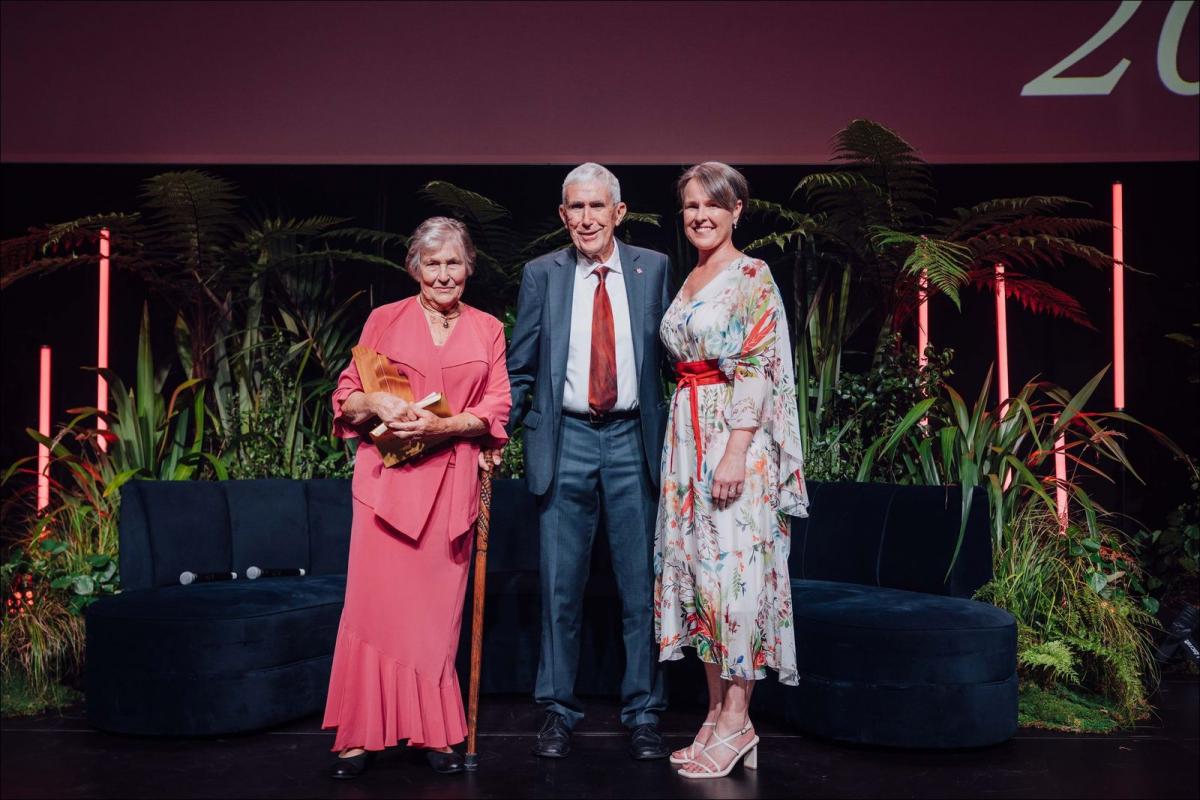
Alan and Hazel Kerr share Senior New Zealander of the Year Award 2026
Dr Alan and Hazel Kerr describe themselves as ‘just ordinary old Kiwis’, despite being named as the 2026 Ryman Healthcare Senior New Zealanders of the Year Te Mātāpuputu o te Tau.
The amazing couple prompted a standing ovation at a star-studded Auckland event which recognised their tireless efforts, with Alan travelling to and from Gaza and the West Bank 40 times to help children over 20 years, and Hazel travelling 20 times.
Click read more to find out more.
 Loading…