





Major work ready to start on Mt Albert sludge pipeline repair
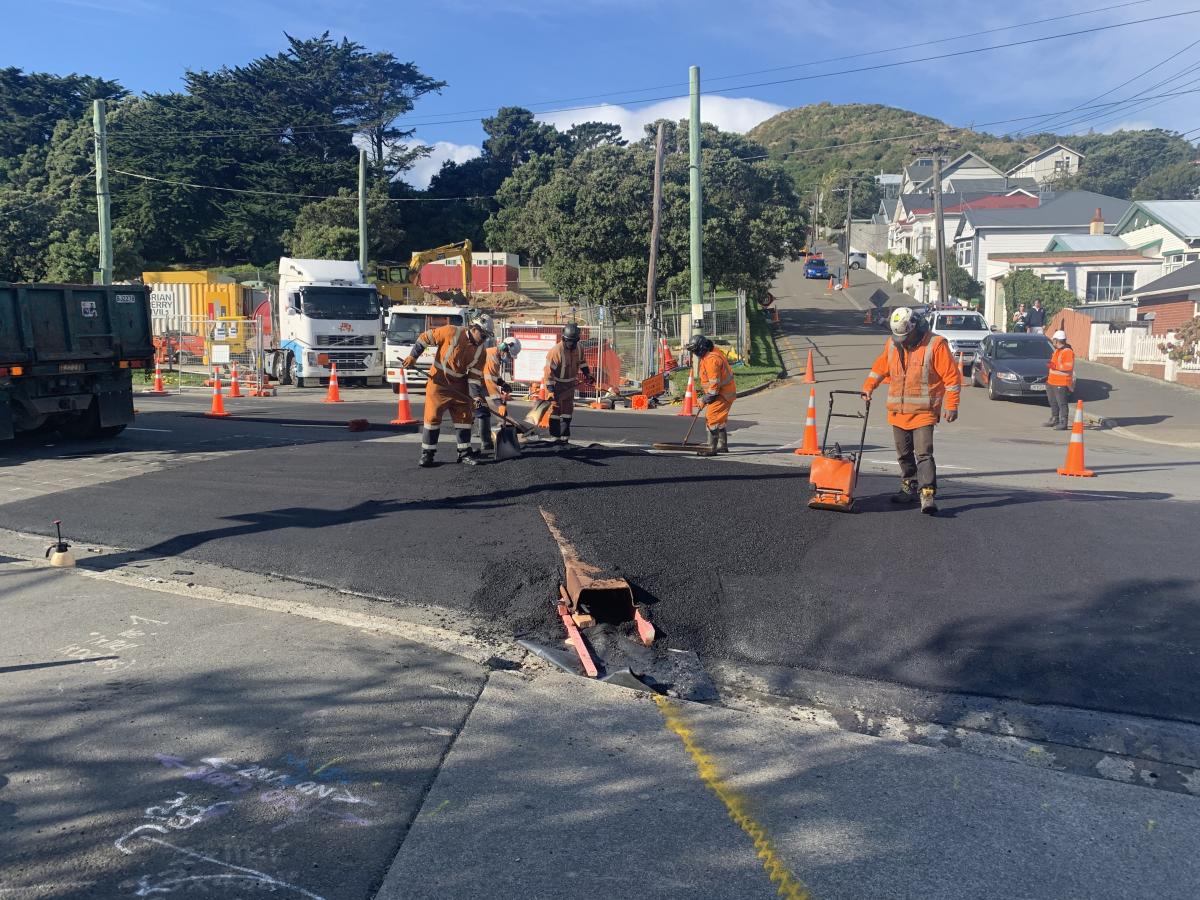
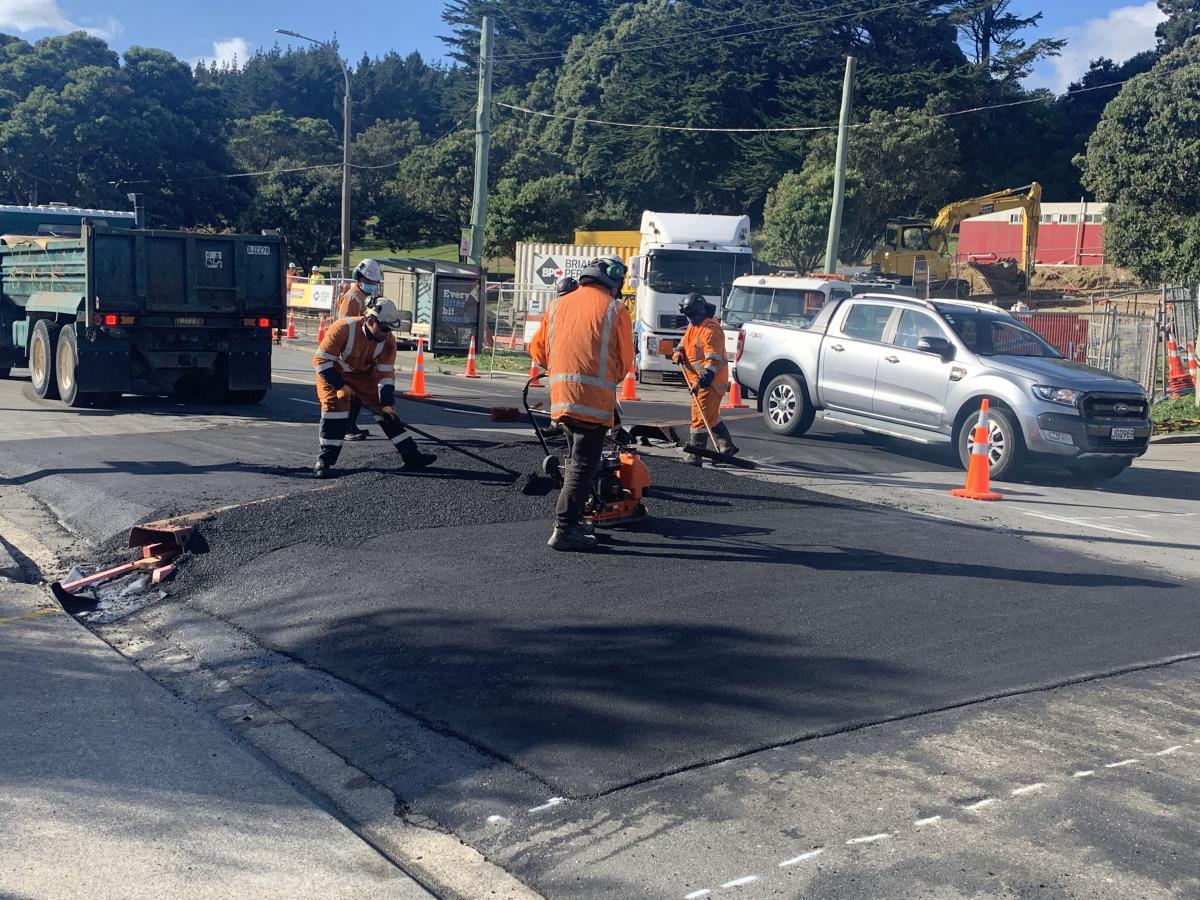
A temporary speed hump installed in Adelaide Road today signals the start of major repair works on the Mt Albert high-pressure sludge pipelines, following the arrival in Wellington of a team of specialist international technicians and essential materials and equipment.
Wellington Water’s Manager Major Projects, Stephen Wright, says the temporary change is a final part of preparations for repairing the pipes and ending the sludge trucking operations, between Moa Point and the Southern Landfill, that were put in place to avoid any discharge of sludge into the sea after the pipelines failed.
“Bringing the specialist team and materials here from Germany during the global pandemic and our own lockdown has been a real challenge. We’re extremely grateful to the Government for granting the special permission necessary to bring them here so quickly.”
On arrival in the country, the technicians spent 14 days in quarantine in Auckland before travelling on to Wellington, where they arrived last night.

🧩😏 Riddle me this, Neighbours…
I am an odd number. Take away a letter and I become even. What number am I?
Do you think you know the answer?
Want to stop seeing these in your newsfeed? No worries! Simply head here and click once on the Following button.


Poll: 🤖 What skills do you think give a CV the ultimate edge in a robot-filled workplace?
The Reserve Bank has shared some pretty blunt advice: there’s no such thing as a “safe” job anymore 🛟😑
Robots are stepping into repetitive roles in factories, plants and warehouses. AI is taking care of the admin tasks that once filled many mid-level office jobs.
We want to know: As the world evolves, what skills do you think give a CV the ultimate edge in a robot-filled workplace?
Want to read more? The Press has you covered!

-
53% Human-centred experience and communication
-
14.6% Critical thinking
-
29.6% Resilience and adaptability
-
2.7% Other - I will share below!

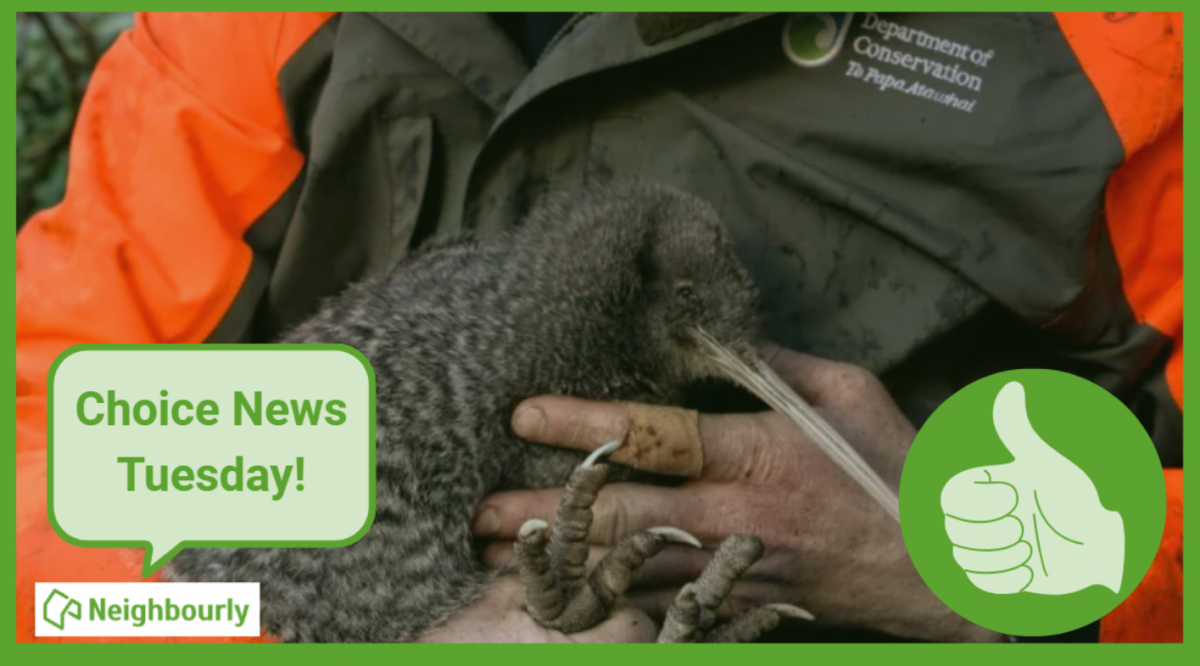
Some Choice News!
DOC is rolling out a new tool to help figure out what to tackle first when it comes to protecting our threatened species and the things putting them at risk.
Why does this matter? As Nikki Macdonald from The Post points out, we’re a country with around 4,400 threatened species. With limited time and funding, conservation has always meant making tough calls about what gets attention first.
For the first time, DOC has put real numbers around what it would take to do everything needed to properly safeguard our unique natural environment. The new BioInvest tool shows the scale of the challenge: 310,177 actions across 28,007 sites.
Now that we can see the full picture, it brings the big question into focus: how much do we, as Kiwis, truly value protecting nature — and what are we prepared to invest to make it happen?
We hope this brings a smile!
 Loading…