





Putting It Back On The Consumer
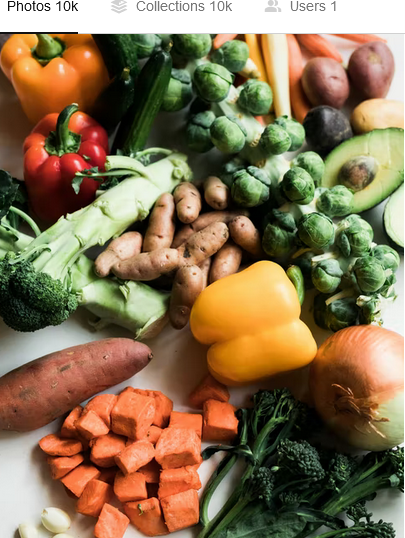
It felt like a cruel joke, when the brown paper bag from the supermarket arrived in my mailbox last week. I stared at it in disbelief as I read the instructions to fill the bag with groceries to help a family in need.
"I cant believe they did that" I muttered and threw the bag in the recycle bin.
The supermarkets have made millions in profits over the past two years while the rest of us mere mortals struggled to make ends meet. The first thing they did when the pandemic began was to remove all specials from the shelves. My shop went up by around $50 per week and its kept going from there. Some people report that their former $150 shop now costs $300 or more. Food costs only make up approx 18% of the CPI, so the real cost of food increases is somewhat hidden.
Demand for food parcels has risen exponentially and many working families are now queuing at the food banks as people struggle with these rising costs. So now that the supermarkets are raking it in, they have decided to put it back on the consumer and ask them to foot the bill. Not only are we paying round 50% more for our food, but we are supposed to dig deep and support the people the supermarkets have priced out of the market. All the while making the supermarket look like the good guys. The arrogance is gob smacking.
If I was a food bank manager right now I'd probably feel I had to bite my tongue and accept the goods, but it would feel like the Tobacco Industry funding cancer research. I refuse to support this disingenuous piece of marketing. What do others think?
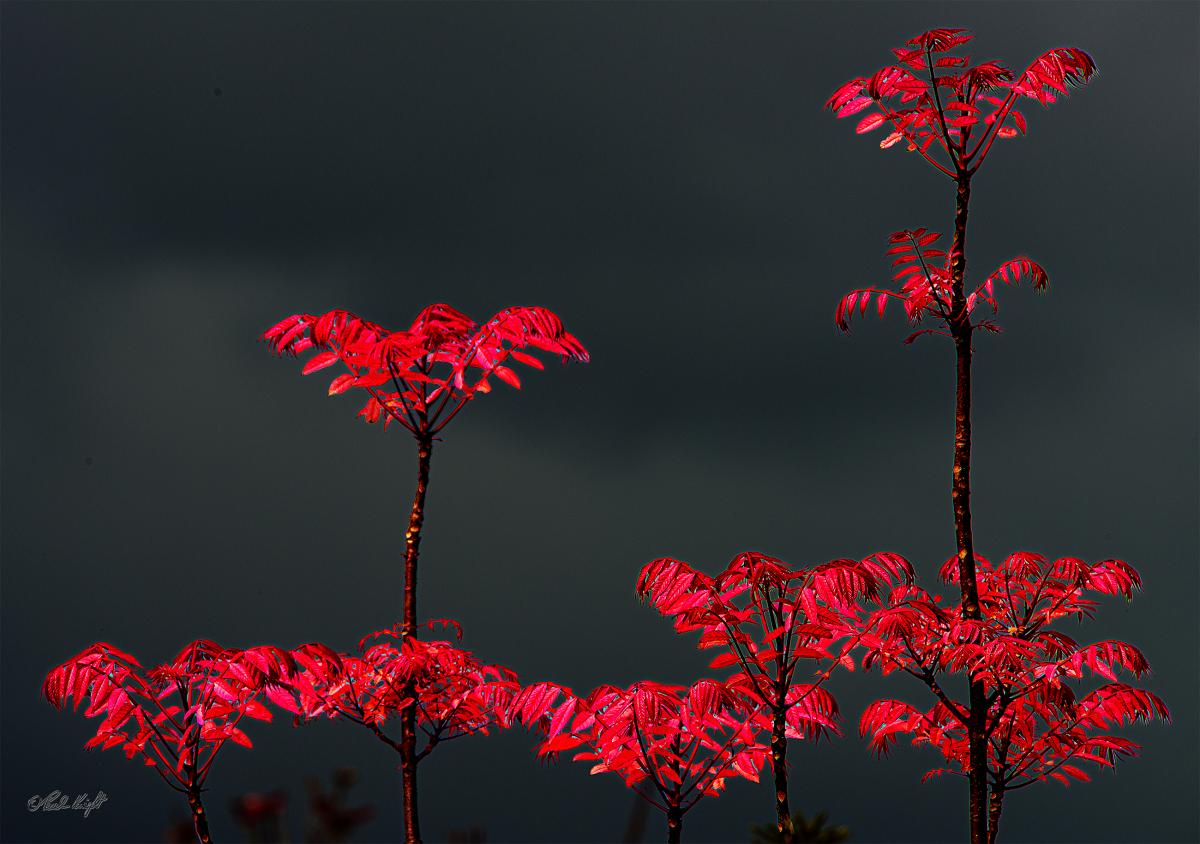
Toon Trees 7221-1
Toon Trees which I photographed in 2015 from the top of a ladder so as to avoid various fences and other distractions lower down. The Toona sinensis species is native to Australia and Asia.

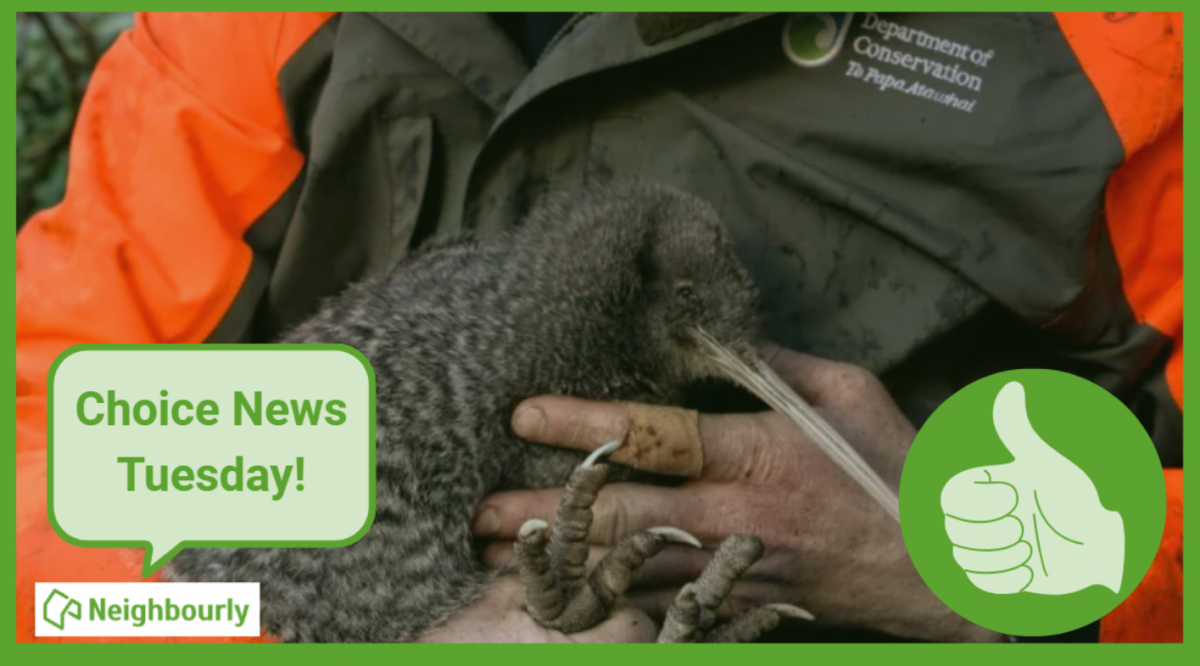
Some Choice News!
DOC is rolling out a new tool to help figure out what to tackle first when it comes to protecting our threatened species and the things putting them at risk.
Why does this matter? As Nikki Macdonald from The Post points out, we’re a country with around 4,400 threatened species. With limited time and funding, conservation has always meant making tough calls about what gets attention first.
For the first time, DOC has put real numbers around what it would take to do everything needed to properly safeguard our unique natural environment. The new BioInvest tool shows the scale of the challenge: 310,177 actions across 28,007 sites.
Now that we can see the full picture, it brings the big question into focus: how much do we, as Kiwis, truly value protecting nature — and what are we prepared to invest to make it happen?
We hope this brings a smile!
 Loading…