






A Woolly Tale
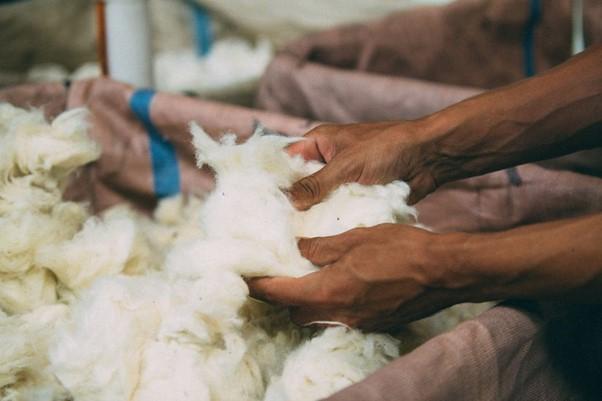
Humans have enjoyed wool for over 10,000 years and it continues to be a coveted textile in both high end fashion and interior design due to its many qualities. Here we deep-dive into the wonderful world of wool, sharing the tale of this ancient fibre’s origin, production and inherent attributes.
ORIGIN
Britain is said to have lead wool manufacturing through spinning and weaving pre 1900 BC, a skill highly prized beyond their shores. Sheep were first exported beyond Europe to South Africa, New Zealand and Australia toward the very end of the 1700s. We have had a long time to accustom ourselves to the incredible natural qualities of wool and it is quite literally woven in to our trading, cultural and farming histories.
How does wool come to be? Fleece is shorn from sheep annually with a new fleece produced every year (unless you are Shrek the Sheep, who avoided shearing for 6 years – once finally caught in 2004 he produced enough wool for 20 large men’s suits, or 27 kg… blimey!). Once shorn, fleeces are thrown clean side down onto a wool table, skirted (a process to remove undesirable parts of the fleece), folded and rolled to determine class by a qualified wool classer. Bales of wool are then sent to be scoured, a bathing/cleaning process to remove dirt and impurities such as sweat and vegetable matter. Quality is determined by diameter, crimp, yield, colour and staple strength. Finer wools are used for apparel manufacture and heavier for soft furnishing textiles and carpets/rugs.
There are a wide variety of ways to process wool in to differing yarns, including worsted – a very fine yarn spun from carded wool producing a lustrous and smooth product especially suited to apparel. You may also be familiar with felted wools which are produced with heat, pressure and moisture compressing the fibres, entangling them together into a matted textile with a dense, ‘foamy’ or almost spongy appearance and feel. The woollen system of preparing carded wool for spinning ensures short fibres are retained, sometimes requiring combing. Wool can be spun to yarn on its own, or in conjunction with other fibres which can add desirable qualities and attributes to the finished fabric.
Despite a reputation as a land of sheep, New Zealand is actually the 4th largest producer of wool, with the top spot being taken out by Australia, responsible for 25% of global wool-clip. International wool production is about 2 million tonnes, 60% of which is apparel. Approximately 3% of the international textile trade is comprised of wool. We would like that number to be a little higher!
RENEWABILITY
A natural fibre similar to human hair, wool is made of keratin and therefore readily biodegradable. As long as there is grass to graze on, sheep will continue to produce fleece, making it an ideal renewable fibre. Safeguarding the environment is part of the important work undertaken by woolgrowers to guarantee future production and industry longevity. Due to the high quality and durability of wool, woollen products have wonderful longevity and it is also excellent for re-use and recycling. In some instances, wool products can be returned from the interior and fashion sectors to be carded and re-spun in to yarn for re-weaving – an excellent way to reduce waste and extend the life of the material. Because of its hardy nature, when properly looked after, wool has a longer lifespan than many other fibres - if you have ever visited an antique/vintage/mid-century furniture trader, you will often find original wool and wool blend upholsteries still going strong even after a few lifetimes, albeit in need of a good clean!
Keep reading: www.curtainclean.co.nz...


🧩😏 Riddle me this, Neighbours…
I am an odd number. Take away a letter and I become even. What number am I?
Do you think you know the answer?
Want to stop seeing these in your newsfeed? No worries! Simply head here and click once on the Following button.
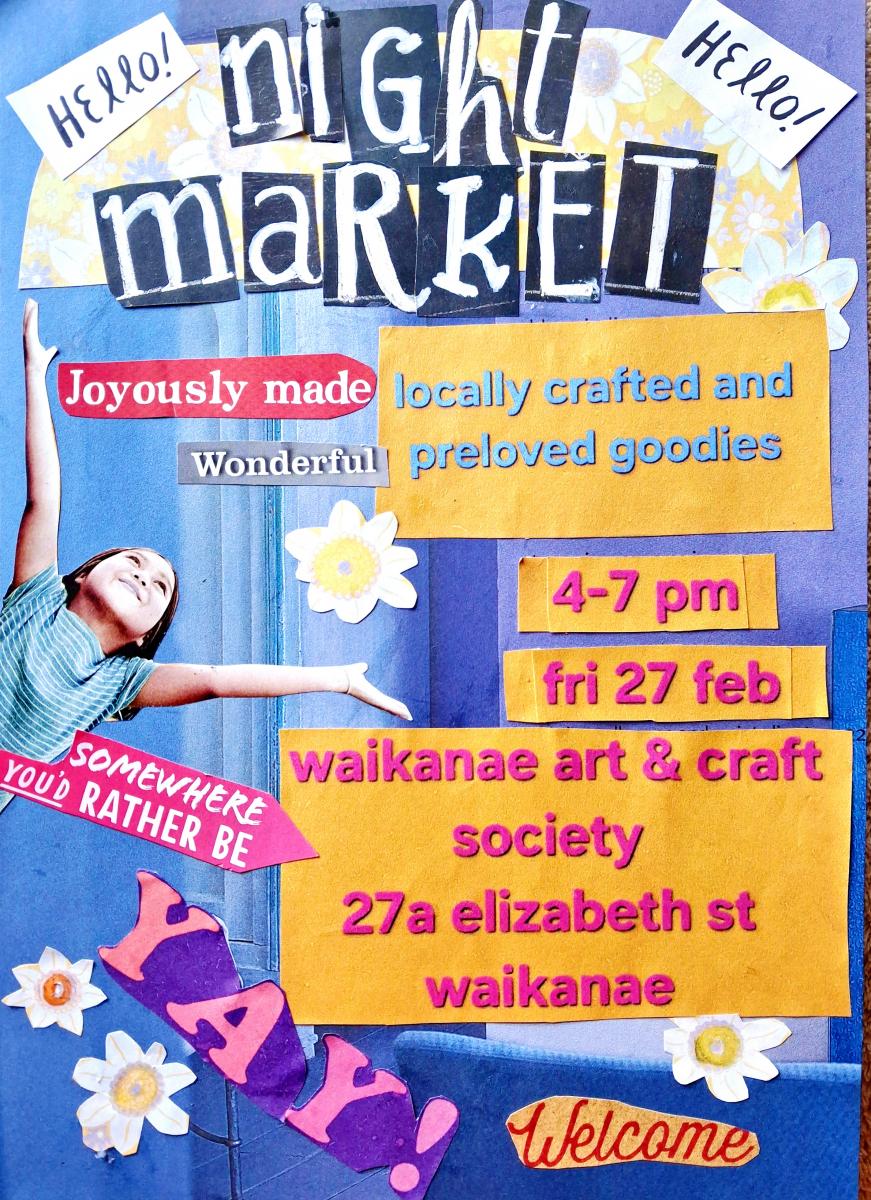
LOCALLY CRAFTED AND PRELOVED NIGHT MARKET IS ON TODAY
When:- Friday 27 February, 4:00pm – 7:00pm
Where: Waikanae Arts and Crafts Society Hall
27a Elizabeth St, Waikanae
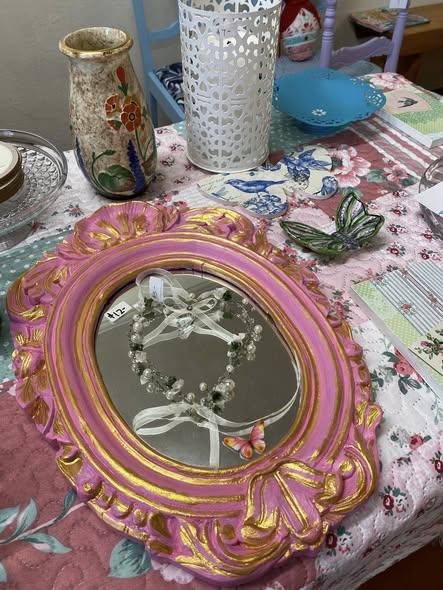
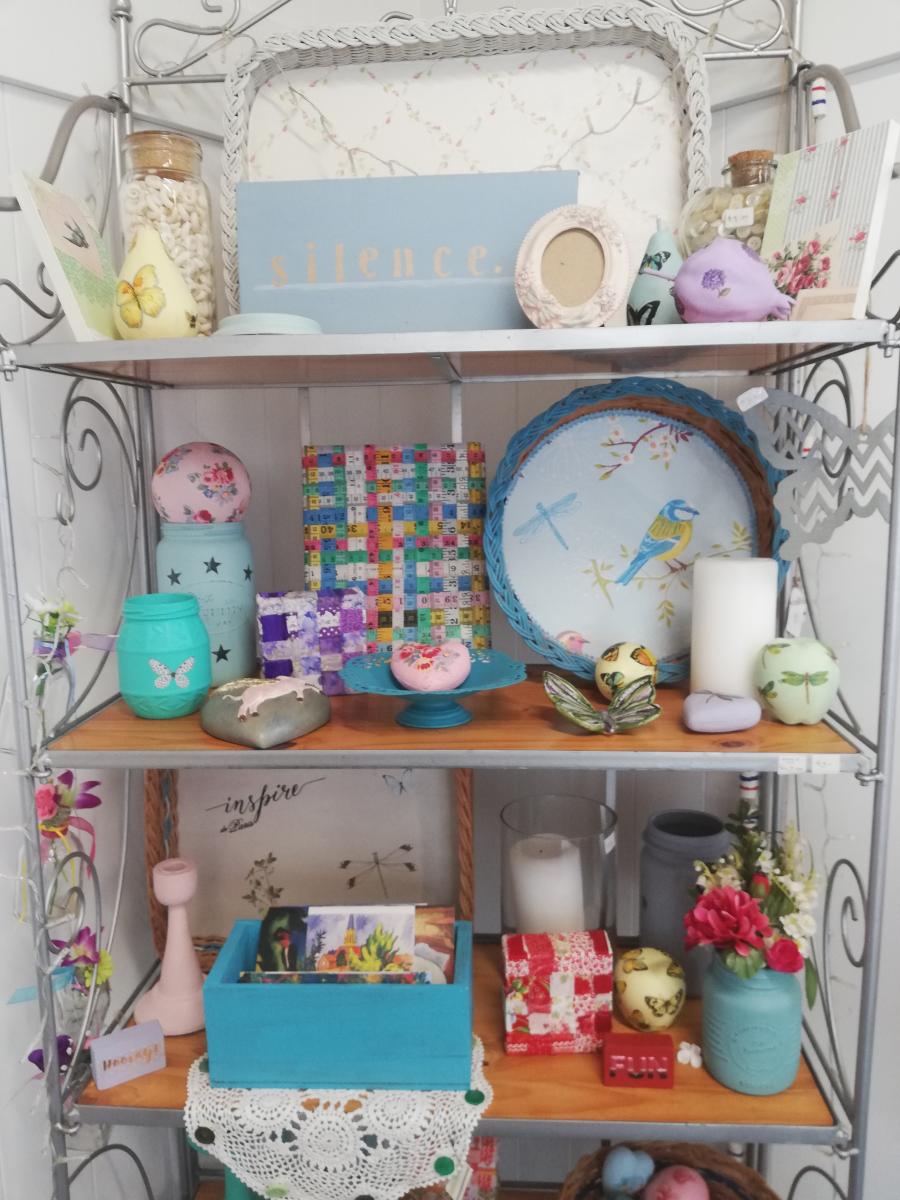
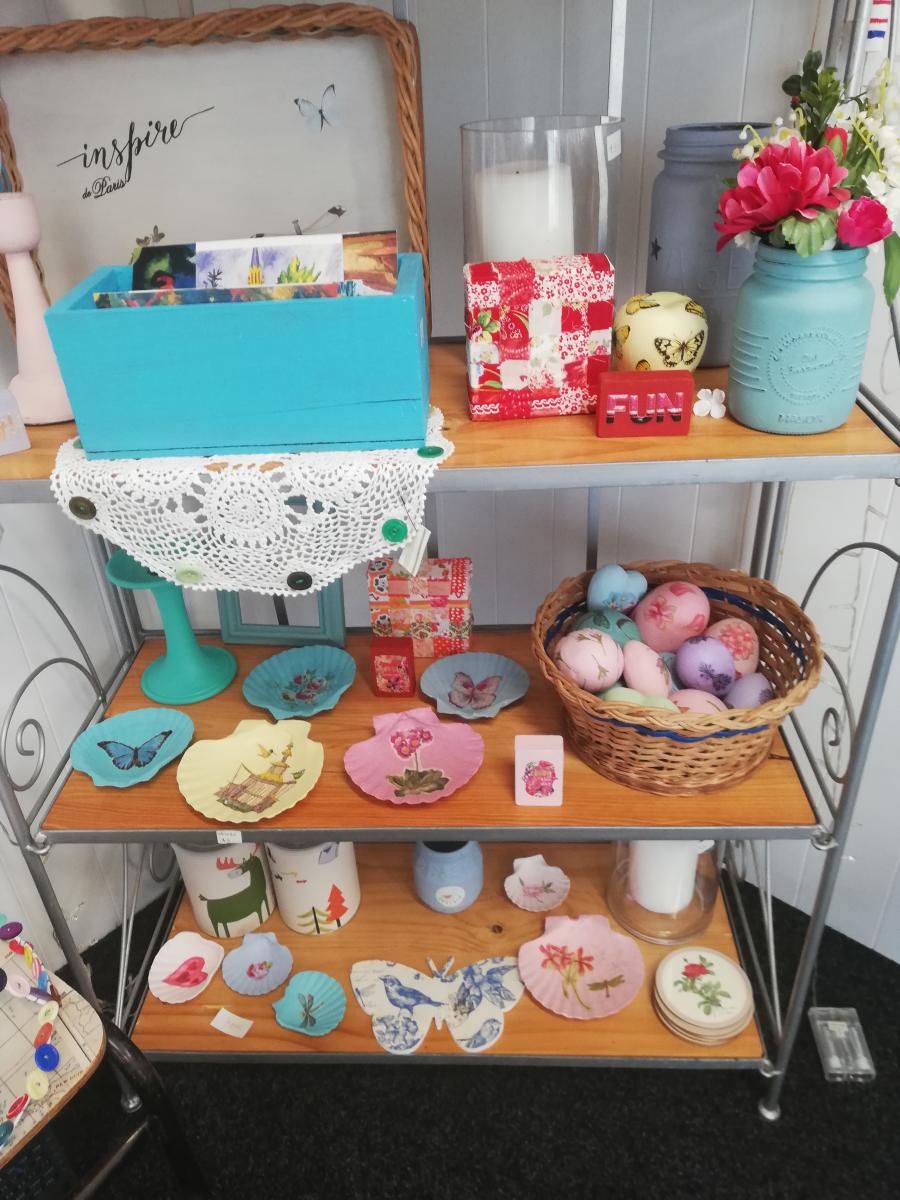
Joyously made, locally hand crafted and wonderful preloved goodies:-
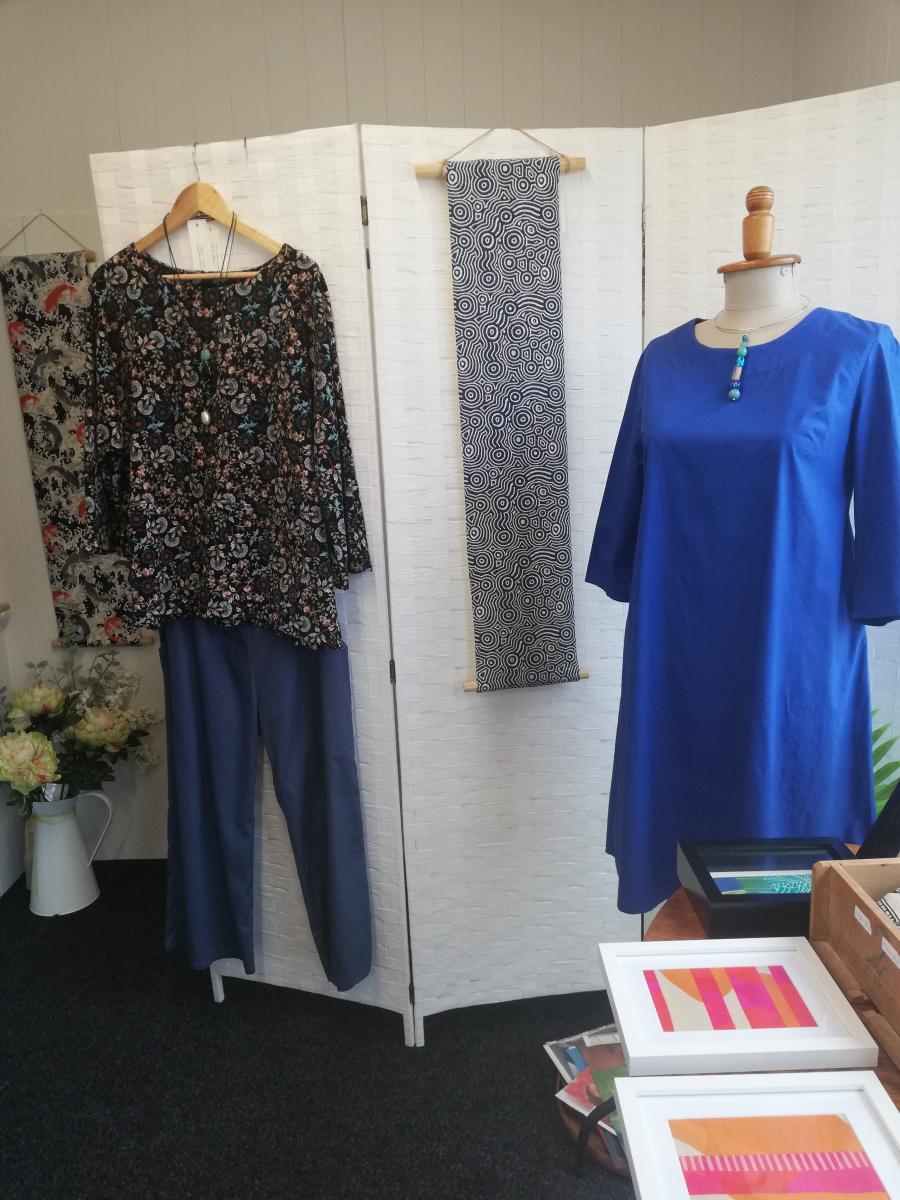
* Good quality Preloved Clothing
* New Clothing by a local designer
* Jewellery
* Hand made Bags
* Hand made Children's Dress-ups and Dolls Clothes
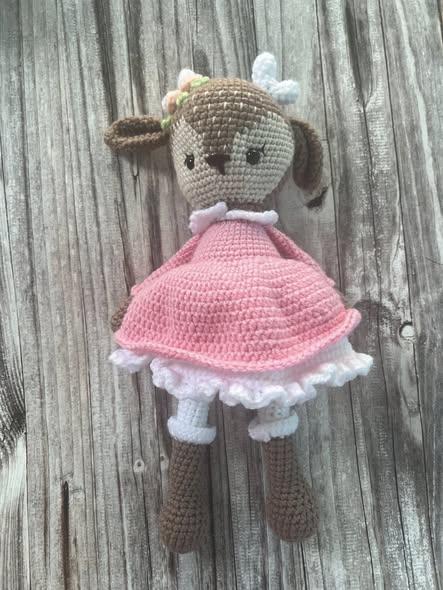
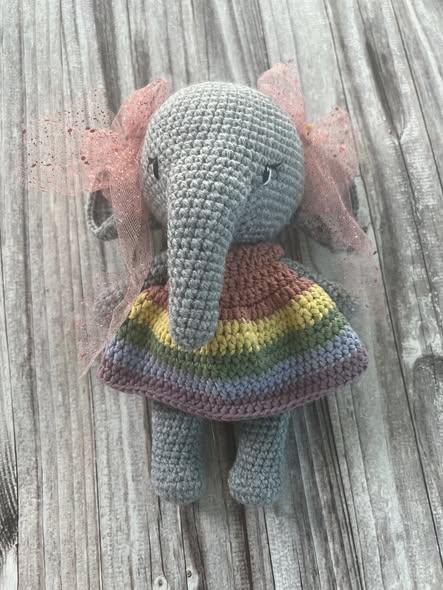
* Hand made Crochet Toys
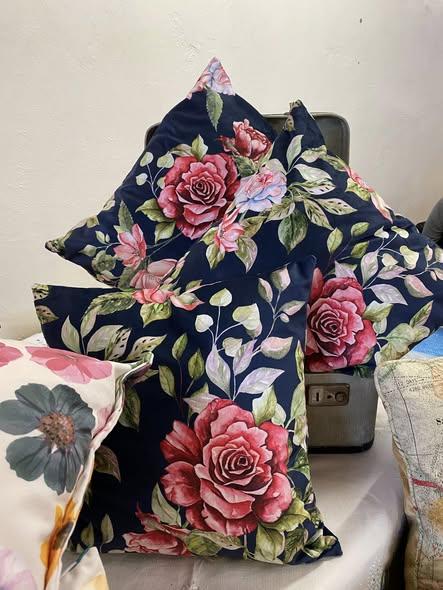
* Hand made Cushions
* Upcycled and repurposed items including Furniture upcycled in a Shabby Chic style
* The Chimney Pot - Antiques & Collectables
* Collage Art
Bring the kids along!! They have not been forgotten!!
Don't miss it - Everyone Welcome!!
Support Local!!
 Loading…