





This little test could save your life
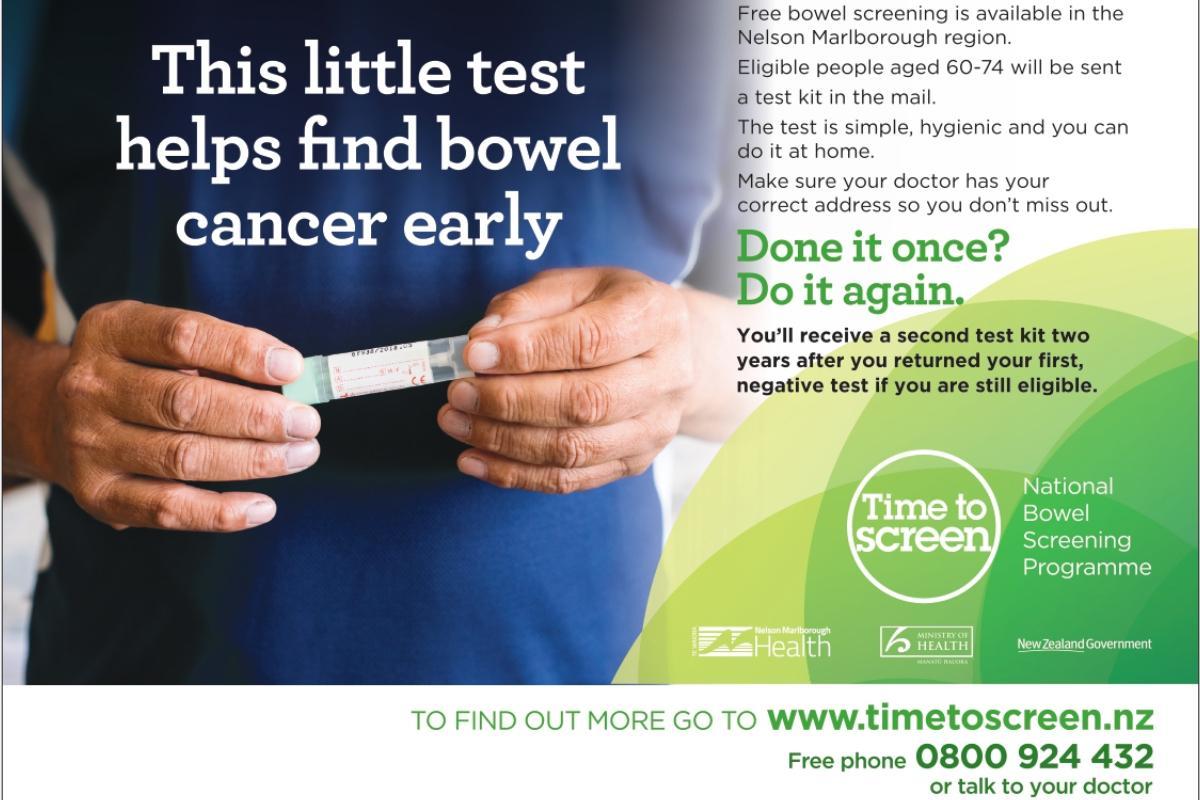
The National Bowel Screening Programme is free for men and women aged 60 to 74 years who are eligible for publicly-funded healthcare. It aims to save lives by finding bowel cancer at an early stage when it can often be successfully treated.
The test is quick, clean and simple to do. You do it by yourself at home.
If you’re eligible to take part, you will be sent:
• an invitation letter
• a consent form
• a free bowel screening test kit, with instructions on how to use it.
This will happen not long after your 60th birthday.
Done it once? Do it again.
Screening is offered every two years, so if you have done a test before and returned a negative result, you will be offered a second test two years after you did the first one if you are still eligible. Your second test is just as important as the first one.
Haven’t quite gotten there yet?
If you received a test kit in the post in the past two years but didn’t complete it, you will be given another chance to take the test. You will be sent a test kit two years after you were sent the first one if you are still eligible.
Worried about your bowel health?
The programme is for people who do not have any symptoms of bowel cancer. It is a preventative programme that finds bowel cancer at an early stage before you may notice any symptoms.
If you are experiencing symptoms, such as a change in your normal bowel movements that continues for several weeks or blood in your bowel motion (poo), it is important to seek advice from a doctor who may refer you for a specialist assessment.
If you are aged 60-74 and experiencing symptoms, don’t wait to receive your test kit in the post – see a doctor as soon as you can. The same applies if you are younger than 60, or older than 74.
Please do not hesitate to raise any questions or concerns about this life-saving test with your family doctor, or with a health professional available on the free helpline: 0800 924 432

Poll: 🤖 What skills do you think give a CV the ultimate edge in a robot-filled workplace?
The Reserve Bank has shared some pretty blunt advice: there’s no such thing as a “safe” job anymore 🛟😑
Robots are stepping into repetitive roles in factories, plants and warehouses. AI is taking care of the admin tasks that once filled many mid-level office jobs.
We want to know: As the world evolves, what skills do you think give a CV the ultimate edge in a robot-filled workplace?
Want to read more? The Press has you covered!

-
52.7% Human-centred experience and communication
-
14.6% Critical thinking
-
30% Resilience and adaptability
-
2.7% Other - I will share below!

Share your favourite main crop potato recipe and win a copy of our mag!
Love potatoes? We will give away free copies of the May 2026 issue to readers whose potato recipes are used in our magazine. To be in the running, make sure you email your family's favourite way to enjoy potatoes: mailbox@nzgardener.co.nz, by March 1, 2026.

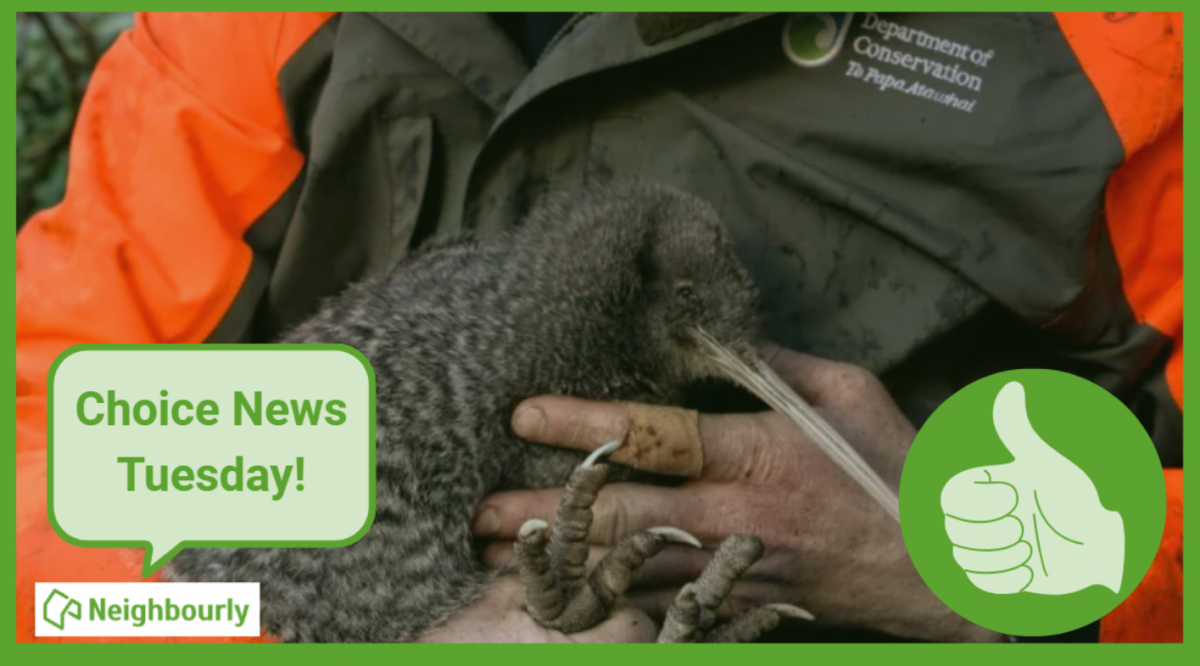
Some Choice News!
DOC is rolling out a new tool to help figure out what to tackle first when it comes to protecting our threatened species and the things putting them at risk.
Why does this matter? As Nikki Macdonald from The Post points out, we’re a country with around 4,400 threatened species. With limited time and funding, conservation has always meant making tough calls about what gets attention first.
For the first time, DOC has put real numbers around what it would take to do everything needed to properly safeguard our unique natural environment. The new BioInvest tool shows the scale of the challenge: 310,177 actions across 28,007 sites.
Now that we can see the full picture, it brings the big question into focus: how much do we, as Kiwis, truly value protecting nature — and what are we prepared to invest to make it happen?
We hope this brings a smile!
 Loading…