





An Insight into Viscose
Viscose, or Rayon, was the first regenerated fibre to be manufactured for commercial production in the early 1900s.
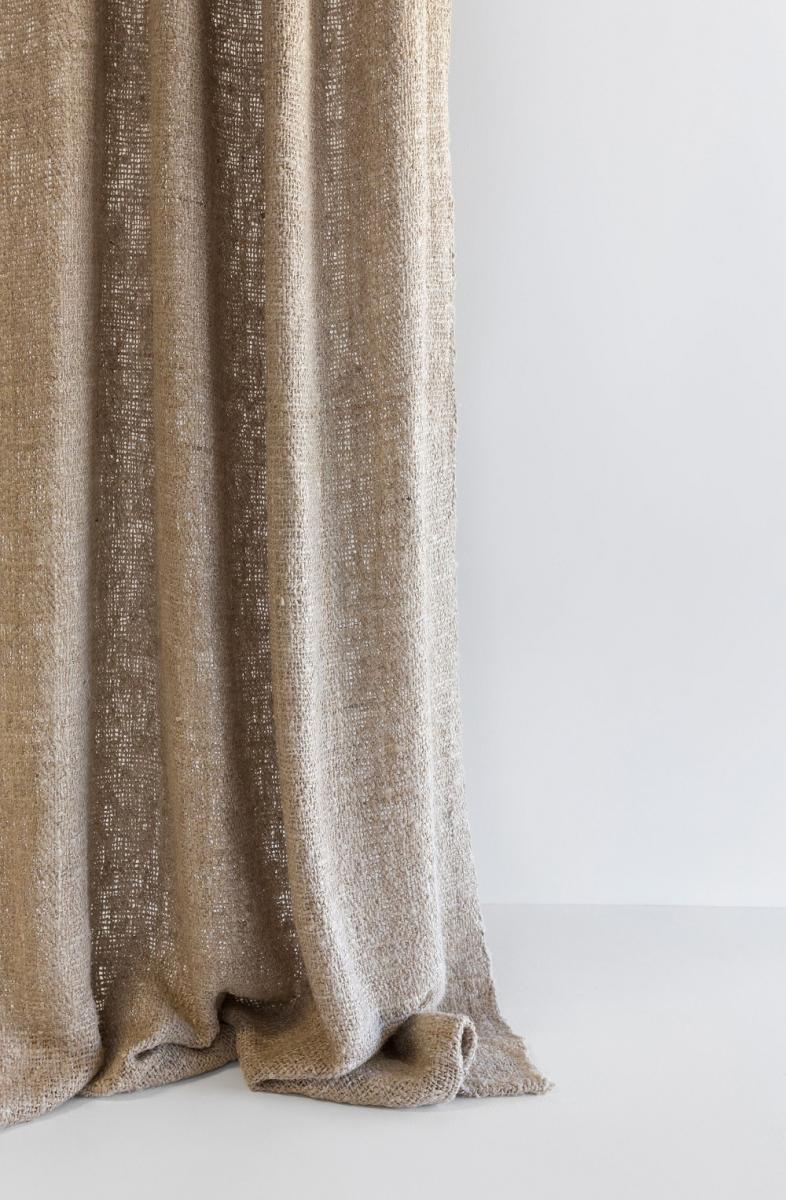
As a fabric, it is able to emulate the extremely soft handle and subtle sheen of natural fibres, whilst being more cost effective to produce. Therefore, resulting in the continued popularity of viscose in fashion and soft furnishings.
Although viscose begins as a natural fibre, it is different from products like linen and cotton because it undergoes a manufacturing process. During this process, wood pulp is dissolved in alkali to make the solution called viscose, which is then squeezed through a nozzle or spinneret into an acid bath to create filaments called regenerated cellulose, and finally spun into yarn.
As with all natural fibres, viscose has a unique personality and requires special care. In this article we will discuss the characteristics of this versatile fabric, whether it is the right choice for your next project, and its unexpected enemy – H2O.
Characteristics of Viscose:
• Soft Handle
• Luxurious appearance and subtle natural lustre.
• Viscose yarn absorbs and holds dye well. Especially when piece dyed, a viscose product has the ability to reflect vibrant and bold colour.
• Can be engineered to resemble other natural fibres such as linen cotton and silk, while in most instances, can be more cost effective.
• Absorbent fibre and less durable when wet. We recommend that fabric qualities with a high percentage of viscose yarn are not washed or spot cleaned with water. Due to the absorbent nature of the yarn, spot cleaning can result in watermarks occurring.
• Dry Cleanable. In most cases we recommend a professional dry clean for compositions with a high amount of viscose.
• Low thermal retention. This characteristic mostly applies to the fashion apparel industry. Being a cellulose based fibre, it does not retain heat as well.
• As with all natural fibres, viscose can be susceptible to fading in direct sunlight due to the extreme UV conditions in Australasia. We recommend you are mindful of where natural fibres are situated in the home. In a drapery situation we always recommend a quality lining.
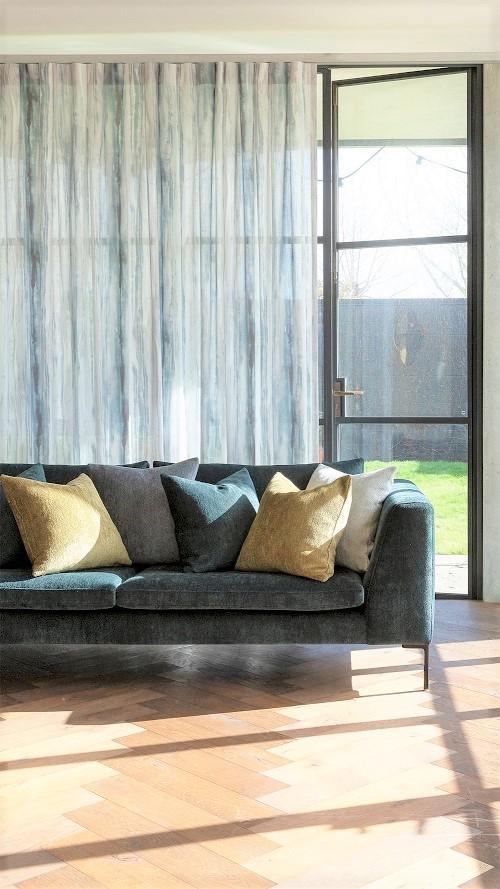
• For interior textiles, a fabric with a component of viscose yarn is extremely versatile and can be used in drapery, upholstery and accessory applications. We don’t typically recommend viscose fabrics to be used for bedding due to the fibre generally being dry clean only.
• A fabric that contains a viscose component can have the same fabric dye processes, finishes and printing applications as other natural fibres.
Keep reading: www.curtainclean.co.nz...

Poll: Should we ditch daylight saving? 🕰️
First introduced in New Zealand in 1927 with the passing of the Summer Time Act, it's what we know as 'Daylight Saving' and this year it ends on the first Sunday in April.
While we do get to sleep in this time around, some people would like to scrap the clock tinkering for good.
And why? Some evidence suggests the time changes are bad for our health as they mess with sleep patterns leading to short-term fatigue and affecting mood. Meanwhile the hour change is frustrating for farmers and a nightmare for getting the littlies to sleep. But what's your take?

-
38.4% Yes - get rid of the clock changes
-
59.9% No, I enjoy it
-
1.7% Other - I'll share below

Don't overthink this riddle...
I have a silver sole
but no feet,
I make my living by bringing the heat.
What am I?
Do you think you know the answer? Simply 'Like' this post if you know the answer and the big reveal will be posted in the comments at 2pm on the day!
Want to stop seeing these in your newsfeed?
Head here and hover on the Following button on the top right of the page (and it will show Unfollow) and then click it. If it is giving you the option to Follow, then you've successfully unfollowed the Riddles page.

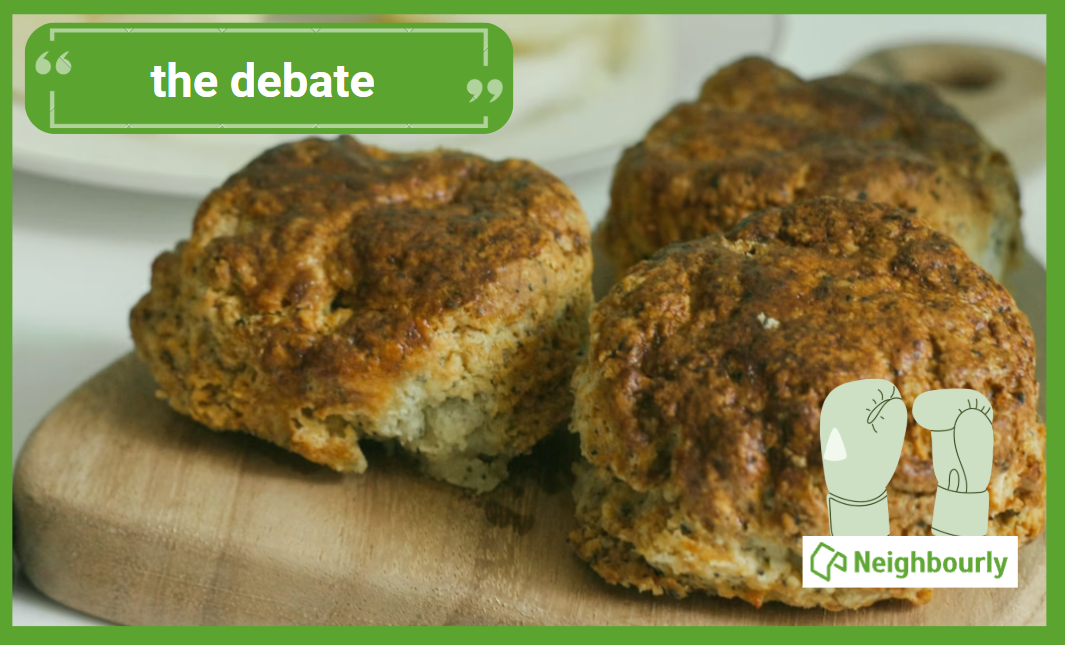
Poll: Does a savoury scone require cheese on top, or folded inside?
Help settle the great kiwi debate ... cheese on top, or folded inside?
-
76.4% Inside!
-
23.6% On top!
 Loading…