




Abaca: The Queen of Natural Fibres
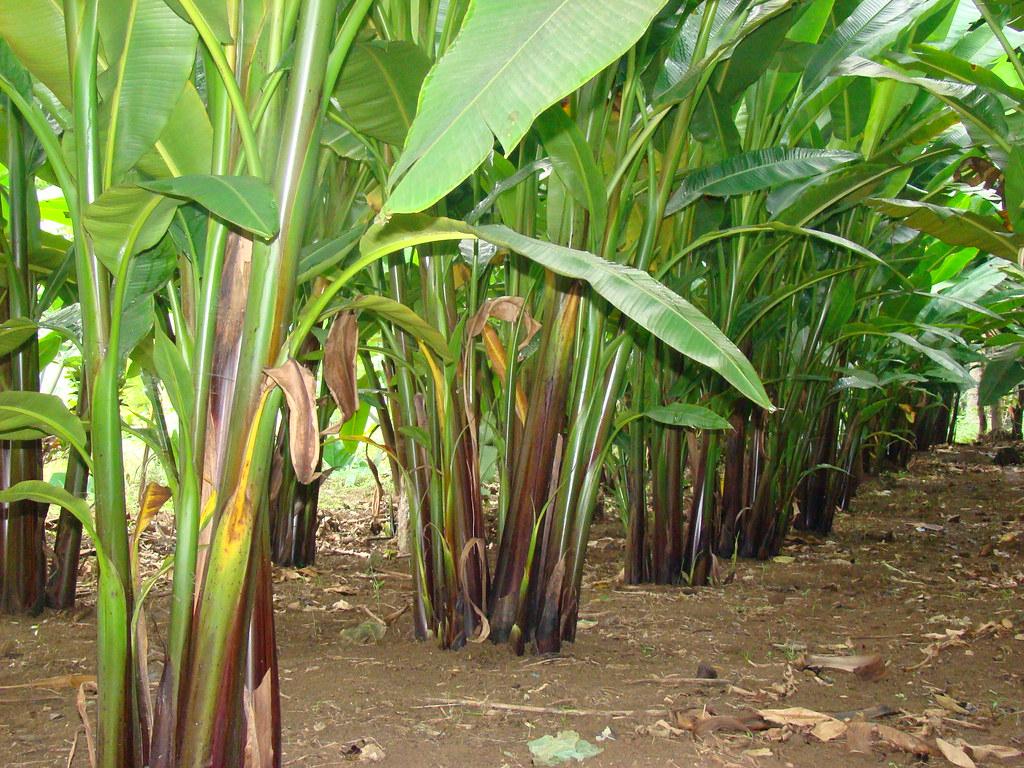
Abaca is a natural leaf fibre that comes from a relative of the banana tree family native to the Philippines that grows throughout tropical regions. It is also called Manilla hemp, though it is not related to actual hemp.
Abaca has great economic importance and is harvested for its strong, versatile fibre. Being regarded as the strongest natural fibres in the world, abaca can be put into various modern sophisticated technologies like the automobile industry and as a raw material for other important industries such as textiles, fashion, and the décor/furnishing industry.
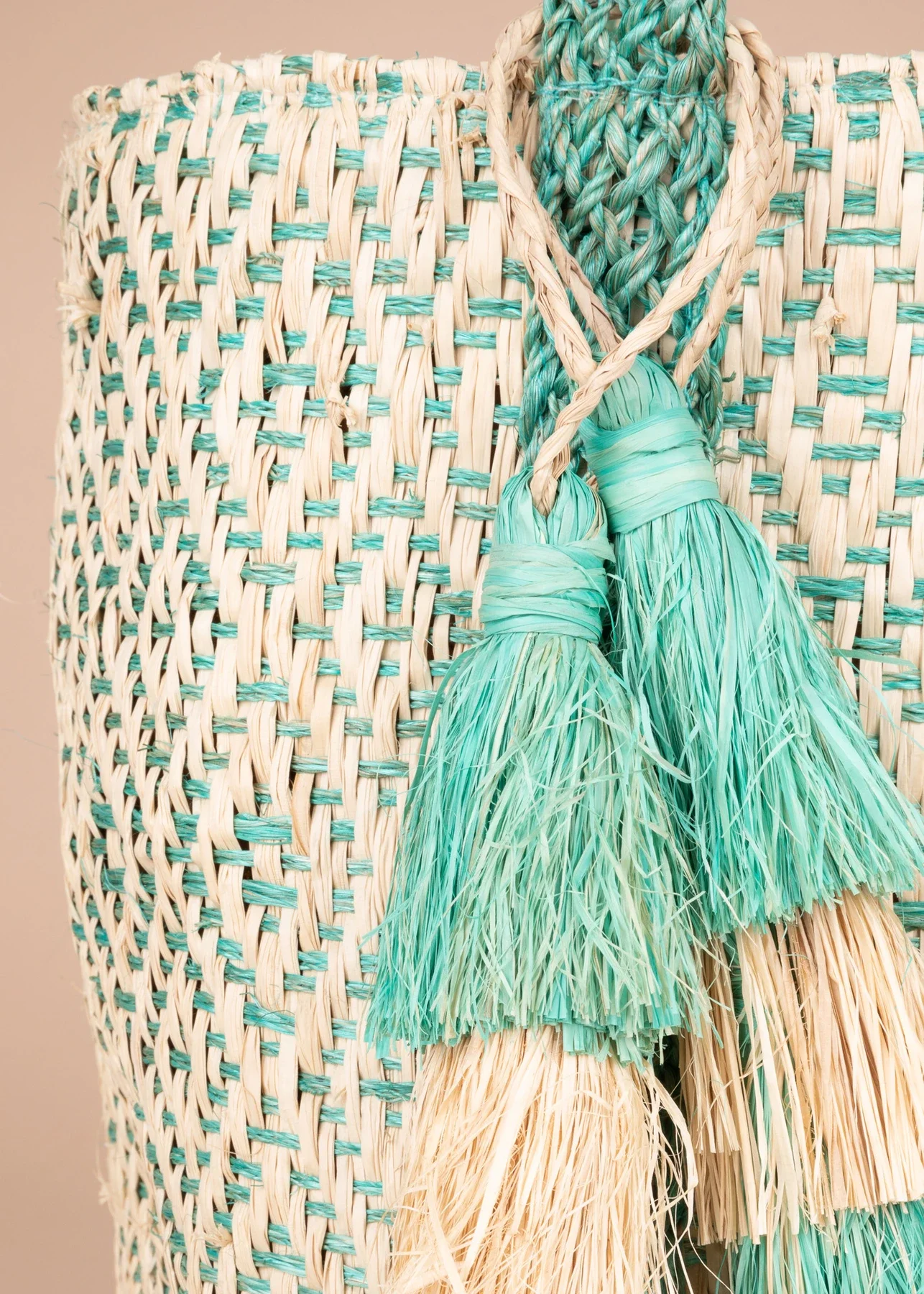
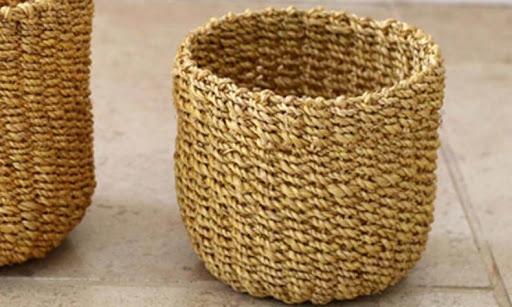
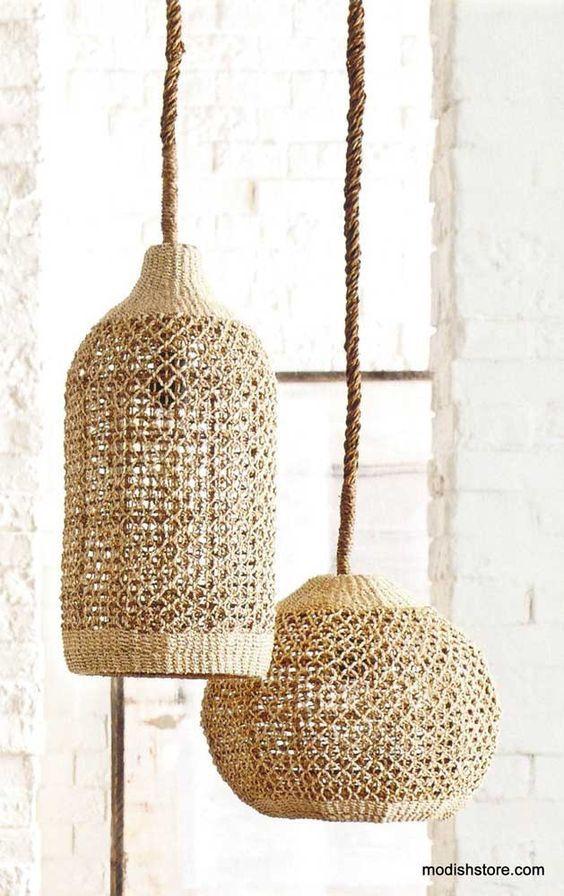
Abaca is commonly used by the paper industry for such specialty uses such as tea bags, banknotes, filter papers and in medical filter sheets. While it is currently used mostly in paper products, abaca has a long history in textiles. Abaca fabric has a stiff quality and holds its structure (it is considered a hard fibre and is comparable in texture to sisal and coir). It has a very long fibre length and is one of the strongest fibres - flexible, durable, and highly resistant to saltwater damage. For these reasons it has been used over time for rope and cording. It can also be woven into home and fashion accessories including wall coverings, rugs, tapestries, and bags. It can be used to make handcrafts such as hats, bags, carpets, clothing, and furniture.
Abaca is generally considered to be a sustainable, environmentally friendly fibre that can empower communities. It has been identified by the United Nations as a “Future Fibre”. That said, not many standards and certifications are used for abaca, so transparency and doing your own due diligence around environmental and social impact are very important when sourcing. The Rainforest Alliance currently certifies some abaca farms.
The harvesting and extraction of fibre from abaca is painstaking process which involves many processes. Stripping and drying of fibres is either done manually or mechanically. After extraction, different grades of fibres are obtained which are then accordingly used for different set of industrial activities.
The world's leading abaca producer is the Philippines. While the crop is also cultivated in other Southeast Asian countries, the second largest producing country is Ecuador, where abaca is grown on large estates and production is increasingly mechanized. Almost all abaca produced is exported, mainly to Europe, Japan, and the USA. Exports from the Philippines are increasingly in the form of pulp rather than raw fibre.
Keep reading: www.curtainclean.co.nz...

Poll: Should we ditch daylight saving? 🕰️
First introduced in New Zealand in 1927 with the passing of the Summer Time Act, it's what we know as 'Daylight Saving' and this year it ends on the first Sunday in April.
While we do get to sleep in this time around, some people would like to scrap the clock tinkering for good.
And why? Some evidence suggests the time changes are bad for our health as they mess with sleep patterns leading to short-term fatigue and affecting mood. Meanwhile the hour change is frustrating for farmers and a nightmare for getting the littlies to sleep. But what's your take?

-
41.5% Yes - get rid of the clock changes
-
56.9% No, I enjoy it
-
1.7% Other - I'll share below

Don't overthink this riddle...
I have a silver sole
but no feet,
I make my living by bringing the heat.
What am I?
Do you think you know the answer? Simply 'Like' this post if you know the answer and the big reveal will be posted in the comments at 2pm on the day!
Want to stop seeing these in your newsfeed?
Head here and hover on the Following button on the top right of the page (and it will show Unfollow) and then click it. If it is giving you the option to Follow, then you've successfully unfollowed the Riddles page.

Incinerator
Hi does anyone have a garden incinerator they no longer need or would like to sell/give away? I need to burn some accounts/documents - or if anyone has any idea how to get rid of them apart from public recycling let me know - Thanks
 Loading…