






Natural Ageing of Fabrics in Upholstered Furniture
‘Just like ourselves, many fabrics will age gracefully and this is all part of their charm.’
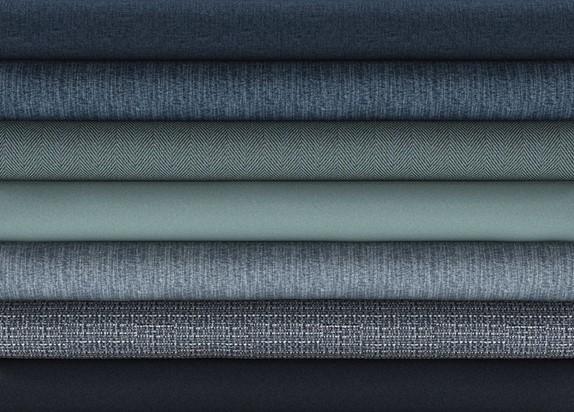
When purchasing a new piece of furniture, or reviving an old one, there are numerous factors to consider in addition to the initial look and feel of the fabric. The longevity of an item is relative to the environment in which it lives, it is important to research fabric types and the specific yarn type and construction to ensure that your selection aligns with your unique needs.
Due to regular wear and tear your furniture will show signs of aging, which may be accelerated by having unknowingly chosen a textile that is not fit for purpose. However, just like ourselves, many fabrics will age gracefully and this is all part of their charm.
Ask and You Shall Receive: Before committing to a purchase it pays to consider not only what you want, but what you need from an item. Perhaps you want a two-seater couch in a natural colour with a textured weave, that will look beautiful in front of the Mizu Garden curtains you hung earlier in the year. While what you need, is a couch that is fit for a couple who live on a modest budget in a sunny villa, with young grandchildren who visit most weekends.
This is the brief that the interior design salesperson requires to suggest fabrics which will reward you with performance and beauty, while also managing your expectations about how the textiles will age. Allow us to help them to help you, by sending you in prepared.
Fabrics are all different. They can be constructed from natural fibres such as silk, cotton, linen, and viscose, or man-made fibres such as polyesters and acrylics, or a blend of each. Fabrics made from natural fibres have their own unique personality in the way they age and look after some wear, which can contribute to a design aesthetic. Natural constructions will not be as durable in the long-term as a synthetic textiles, because they are more susceptible to pilling, fading, seam slippage and staining. Therefore, a greater level of care is required.
Keep reading: www.curtainclean.co.nz...

Poll: Should we ditch daylight saving? 🕰️
First introduced in New Zealand in 1927 with the passing of the Summer Time Act, it's what we know as 'Daylight Saving' and this year it ends on the first Sunday in April.
While we do get to sleep in this time around, some people would like to scrap the clock tinkering for good.
And why? Some evidence suggests the time changes are bad for our health as they mess with sleep patterns leading to short-term fatigue and affecting mood. Meanwhile the hour change is frustrating for farmers and a nightmare for getting the littlies to sleep. But what's your take?

-
31.5% Yes - get rid of the clock changes
-
67.6% No, I enjoy it
-
0.9% Other - I'll share below
Poll: Does a savoury scone require cheese on top, or folded inside?
Help settle the great kiwi debate ... cheese on top, or folded inside?

-
76.3% Inside!
-
23.7% On top!

Don't overthink this riddle...
I have a silver sole
but no feet,
I make my living by bringing the heat.
What am I?
Do you think you know the answer? Simply 'Like' this post if you know the answer and the big reveal will be posted in the comments at 2pm on the day!
Want to stop seeing these in your newsfeed?
Head here and hover on the Following button on the top right of the page (and it will show Unfollow) and then click it. If it is giving you the option to Follow, then you've successfully unfollowed the Riddles page.

 Loading…