





10 tips to prevent hearing loss
Your hearing is vital for learning, communication and safety yet you may not have thought much about the impact a hearing loss could have on your life. You may think that losing some sound wouldn’t be too bad but those with hearing loss will tell you it can be tiring, lonely and frustrating.
Hearing loss can be caused by many different things. It can happen gradually or quite suddenly. When hearing loss is gradual, it’s very easy to ignore - for a while. Always seek help quickly for any ear problems. Protecting your hearing now will increase your chances of enjoying the sounds you love later in life. Prevention is always better than a cure. And some hearing problems, such as noise-induced hearing loss (NIHL), currently have no cure.
Here are 10 tips to prevent hearing loss:
1. Get help
If you have a sudden severe hearing loss, see a doctor urgently. Also, if you have some hearing loss, and your hearing doesn’t return to normal within two days, see your doctor.
2. Avoid noise damage
Avoid prolonged or repeated exposure to loud noise. Learn more: Noise damage.
3. Avoid loud music
Listen to music at a sensible volume. Don’t have the volume up too loud for long periods, especially on a personal music player with headphones/ear buds.
4. Use protective gear
Always wear safety-approved earplugs or earmuffs when mowing the lawn, using power tools, shooting a gun or in any noisy environment.
5. Act on ear infections
If you or your child has an earache, see the doctor. Earaches are often a sign of an ear infection which, if not treated, can lead to hearing loss. Keep a careful eye on children up to age 10 as they are more likely to have middle ear problems.
6. Avoid foreign objects
Don’t put foreign objects into your ear canal. The wax in your ear canal will make its own way to your outer ear. You can clean your outer ear with a warm flannel, or have the wax removed by your doctor.
7. Avoid cotton wool
Don’t use cotton wool instead of earplugs. Cotton wool offers no hearing protection at all. It can also damage the ear if pushed too far in.
8. Use protection for water sports
During high-speed water sports like water skiing, wear a swim cap or approved swimmer’s earplugs.
9. Dive carefully
Too much change in air pressure while scuba diving can cause inner ear damage, dizziness and hearing loss. Equalise regularly during descent. If you are having difficulties seek professional advice before you dive again.
10. Avoid air travel with a heavy cold
In a plane, your ears may be unable to clear during changes in air pressure, which could lead to a ruptured eardrum or inner ear damage.
SOURCE: National Foundation for the Deaf Inc. & Oticon

🎉 Riddle me this, legends! 🎉
He/She who makes it, sells it.
He/She who buys it, doesn't use it.
The user doesn't know they are using it.
What is it?
(Shezz from Ngāruawāhia kindly provided this head-scratcher ... thanks, Shezz!)
Do you think you know the answer? Simply 'Like' this post if you know the answer and the big reveal will be posted in the comments at 2pm on the day!
Want to stop seeing these in your newsfeed?
Head here and hover on the Following button on the top right of the page (and it will show Unfollow) and then click it. If it is giving you the option to Follow, then you've successfully unfollowed the Riddles page.

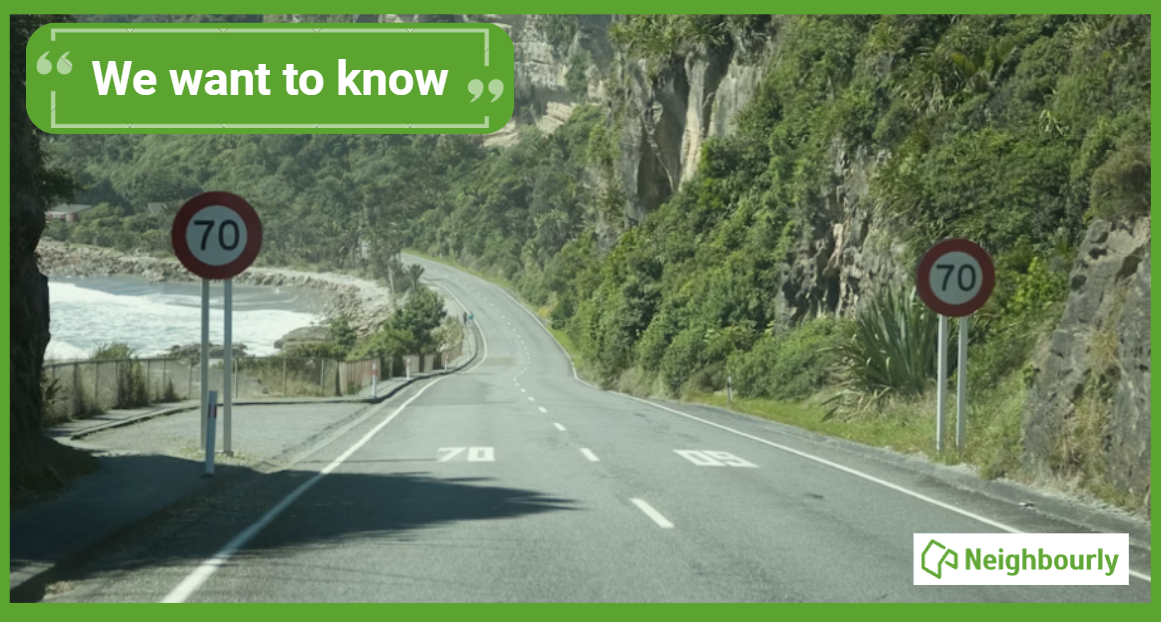
Poll: If we want to reduce speeding, what do you think actually changes driver behaviour? 🛻🚨🚓
In the Post's article on speeding penalties, the question is asked whether speeding fines are truly about road safety, or are they just a way to boost revenue for the Crown?
What do you think? Should speeding motorists receive speeding fines or demerit points?
-
37.6% The sting of a fine (Money talks!)
-
62.4% The threat of demerit points (Nobody wants to lose their license!)
Scam Alert: Bank cold calls
ASB is warning customers about reports of cold calls from scammers claiming to be from ASB. These scammers are trying to obtain personal information, including usernames, dates of birth, and verification codes sent to your mobile phone.
🛡️ The "Caller Check" Test
If you get a call from someone claiming to be from ASB and you’re unsure, just ask them for a Caller Check. You will then be able to verify the call through the app.
Remember, banks will:
❌ Never ask for your banking passwords, PINs, or verification codes
❌ Never need to know your full credit card number – especially the CVC
❌ Never ask you to download software or remotely access your device
❌ Never ask you to purchase gift cards or transfer funds.
If you have received a phone call and think your account has been compromised, call ASB on 0800 ASB FRAUD (0800 272 372), or visit your local branch.
 Loading…