




Why Wool is Cool
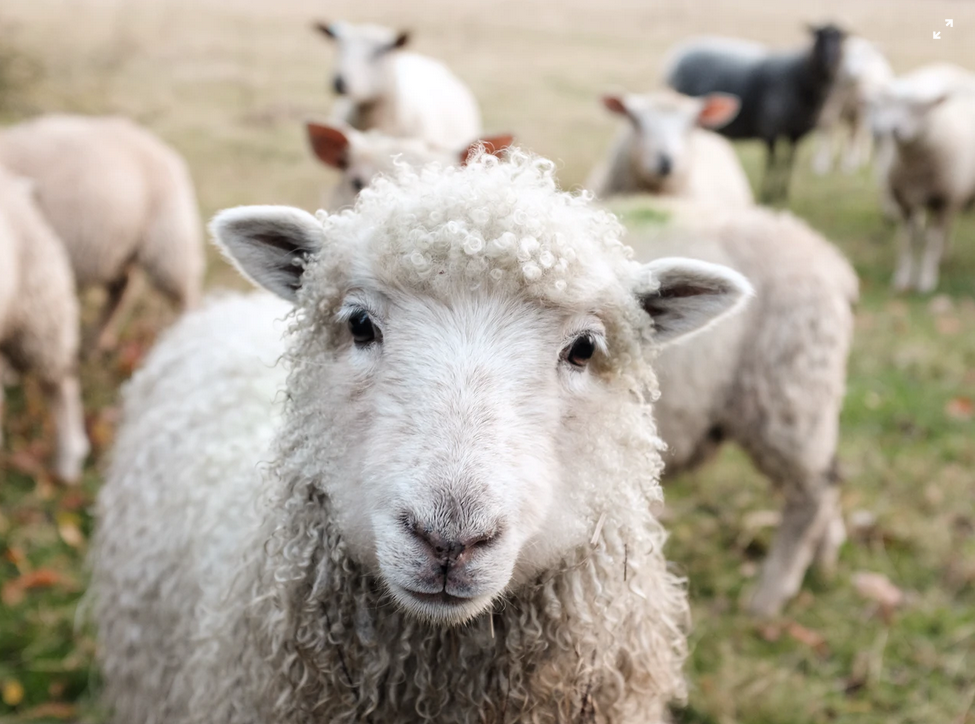
• The fleece of sheep has been used to make human clothing since the Stone Age.
• Wool flourishes where there is rain and sunshine. These two elements sustain the grassy fields that sheep graze on. Shearers shave off the wool every year before the weather gets too hot. Wool is the ultimate renewable fibre.
• Wool from about 61 sheep extend all the way from the earth to the moon.
• Wool may be made from mixtures of hair from sheep, alpaca, llama, camel, cashmere, mohair, angora, vicuna, yak, guanaco, beaver or otter. No animals are harmed in the harvesting of wool.
• Wool is flame-resistant. It will not melt and stick to your skin like synthetic fibres. Instead, wool will usually smoulder and extinguish itself when the source of the flame has been removed. The fibre of choice for casinos and airlines.
• The fastest recorded time to shear a sheep is 39.31 seconds by Hilton Barrett of Australia.
• Wool is composed of same protein that makes up the outer protective layer of your skin.
• Have you ever wondered why your wool socks withstand foot stench longer than cotton or synthetic socks? Wool is naturally mildew and mould resistant because it is a natural moisture repellent, MEANING LESS STINK. Wool also reduces dust mite activity (they do not like wool!).
• Over its lifetime, a sheep’s fleece will absorb approximately 30Kg of carbon dioxide.
• Renewable, recyclable, and naturally biodegradable; choosing wool minimizes the amount of waste that sits in landfills. Wool biodegrades in weeks to less than 1 year depending on environmental conditions. This is due to its high nitrogen content.
• Wool products can last for 15 to 20 years (or more)
• Wool can absorb indoor contaminants, including formaldehyde, sulphur dioxide and nitrogen dioxide and locks them away in the fibre core. It is naturally soil and stain resistant, attracts less dirt and dust due to anti-static properties and requires less cleaning than synthetic fabrics.
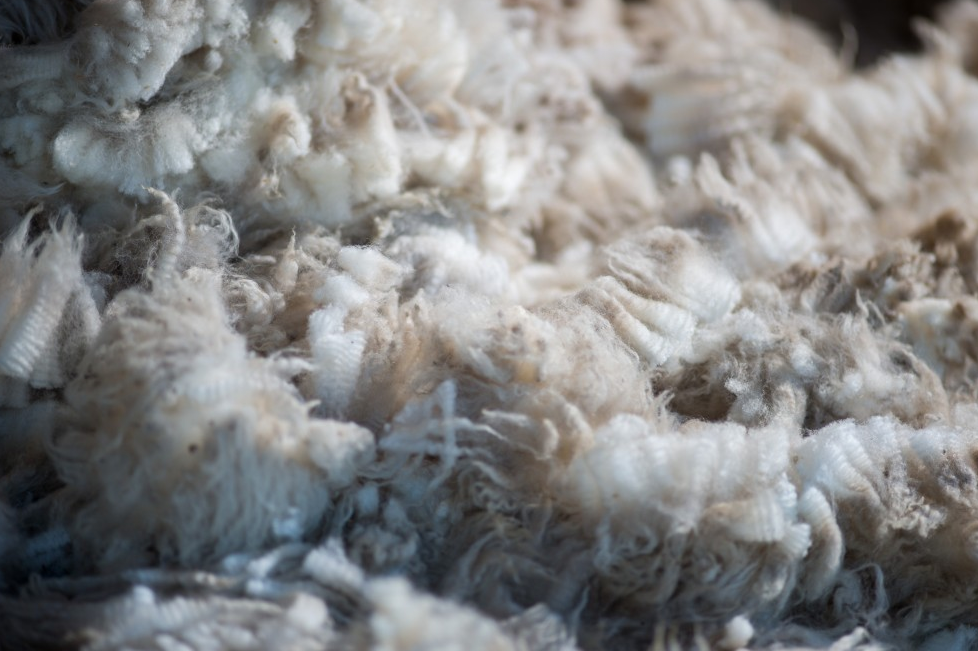
• Wool fibres have a crimped texture so when it’s packed more tightly together lots of tiny pockets of air form. This structure means that it can absorb and release wick away moisture, allowing your skin to breathe so you feel fresh as a daisy.
• Due to its crimped structure, wool is naturally elastic, and so wool garments have the ability to stretch to your shape but can then return to their original state. It is also resistant to tearing and requires less processing to make it useable.
• Wool’s high nitrogen and water content makes it naturally flame resistant. Wool does not ignite easily and will self-extinguish. Should wool burn it does not melt while burning. Wool produces less smoke and toxic fumes during combustion than synthetic fibres, making it a far safer choice.

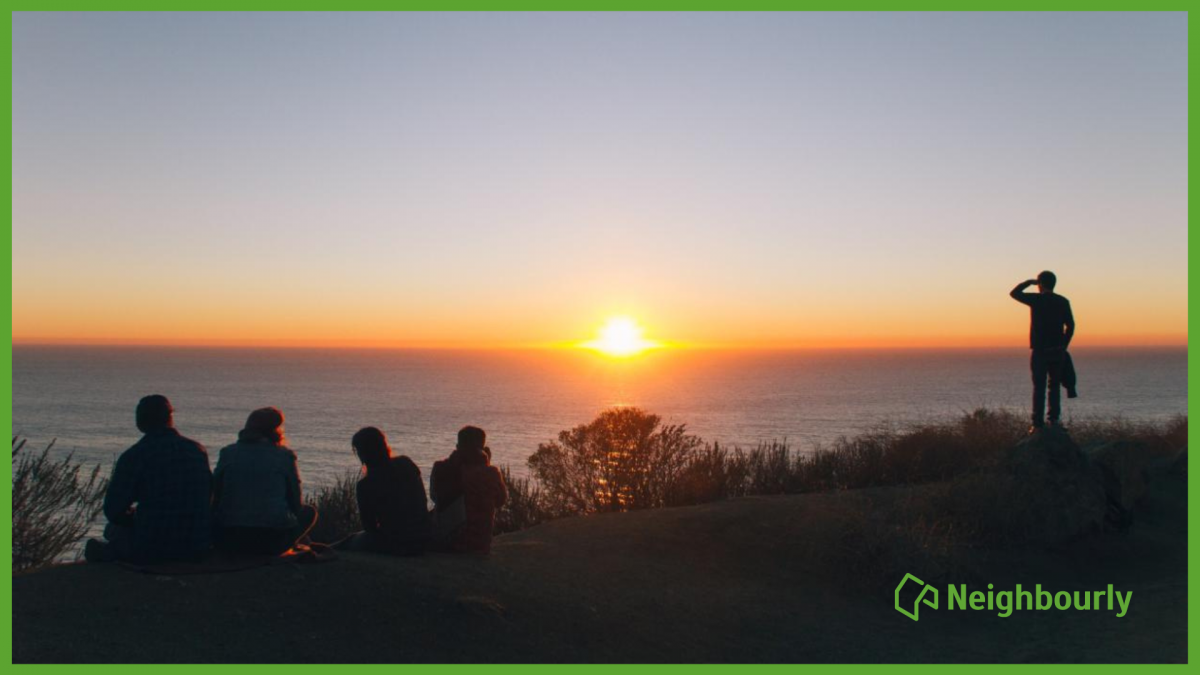
Poll: Should we ditch daylight saving? 🕰️
First introduced in New Zealand in 1927 with the passing of the Summer Time Act, it's what we know as 'Daylight Saving' and this year it ends on the first Sunday in April.
While we do get to sleep in this time around, some people would like to scrap the clock tinkering for good.
And why? Some evidence suggests the time changes are bad for our health as they mess with sleep patterns leading to short-term fatigue and affecting mood. Meanwhile the hour change is frustrating for farmers and a nightmare for getting the littlies to sleep. But what's your take?
-
41.1% Yes - get rid of the clock changes
-
57.3% No, I enjoy it
-
1.5% Other - I'll share below

Don't overthink this riddle...
I have a silver sole
but no feet,
I make my living by bringing the heat.
What am I?
Do you think you know the answer? Simply 'Like' this post if you know the answer and the big reveal will be posted in the comments at 2pm on the day!
Want to stop seeing these in your newsfeed?
Head here and hover on the Following button on the top right of the page (and it will show Unfollow) and then click it. If it is giving you the option to Follow, then you've successfully unfollowed the Riddles page.


RYOBI 36V CHARGER
PLEASE PLEASAE PLEASE URGENT - Does anyone have a RYOBI 36V Charger I could borrow urgently to charge my MOWER Batteries - SomEONE borrowed mine from the car parked in the front yard while i was mowing in the back yard - TOOK THE SPARE BATTERY AND THE f____ CHARGER - TEXT DaRrYn 021 633 039
 Loading…