




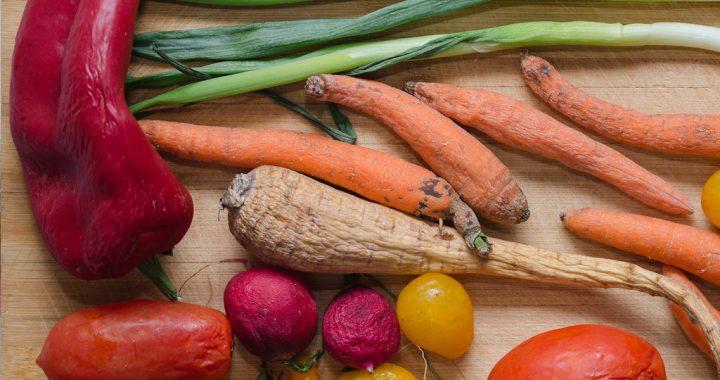
How to make your food last longer
Tips to extend the shelf life of popular staples, such as bread, flour and fruit.
Dealing with a bulging pantry? Here are our tips to get the longest life out of your cupboard staples and fresh produce.
Best-before and use-by dates: know the difference: Best-before dates give you information about food quality. Food can be eaten and sold after its best-before date. However, it may have lost some nutritional value and might not taste the best. If a food has a shelf-life of two or more years, it doesn’t need a best-before date.
As soon as you open any food’s packaging, its shelf life becomes the same as if the product was unpackaged. How long it’s safe to eat depends on several factors: its water and protein content, quality when you bought it, and how it’s been stored.
Use-by dates are usually on perishable foods such as poultry and deli foods. A food can’t legally be sold after its use-by date and shouldn’t be eaten because it can make you sick.
Bread: Bread keeps the longest in the freezer (though it’s not as convenient, as you have to wait for it to defrost). If you’re a pantry-only fan, it should be kept in its packaging (paper or plastic if it’s homemade) and stored in a cool dry area– ideally in a bread tin if you have one. A good compromise is the middle shelf of the fridge, but it will still get stale as it dries out.
If your bread’s stale, whiz it in the food processor to make breadcrumbs, which you can then pop into a resealable container for freezing. You can use it to crumb meat and fish or add it to dishes (for example, meatballs or pasta bakes).
Tip: Freeze half your loaf and keep the other half out. The half in the freezer won’t get stale or mouldy.
Eggs: Eggs keep longer in the fridge but they can be stored at room temperature (as long as it’s 15°C or lower). Either way, store your eggs in their original carton: it keeps them safe from cracking, slows moisture loss, stops them absorbing other food smells and you’ll know the best-before date.
Tip: Check eggs are safe to eat with the float test. Place the egg in a bowl or cup of water. If the egg sinks, it’s good to eat. If it floats, throw it away.
Flour and dry ingredients: Store your flour in a large, airtight container that your measuring cup can fit in. A container with a screw-top is best, but any well-sealed lid will be fine. Transfer other dry ingredients (for example, baking powder and baking soda) that don’t come in resealable packets to an airtight container. Or use a resealing bag clip.
This help prevents weevils getting into your baking stash. Some people swear that adding a bay leaf will keep weevils away.
Pantry moths are sometimes lurking in your dry goods – sometimes in new purchases. Freezing the ingredients should kill the moths and any larvae. Wrap the goods in a plastic bag and freeze for two days, before then storing in an airtight container.
Sugar: Sugar should be stored in an airtight container in a cool, dry place. It shouldn’t be kept in the fridge because this exposes it to moisture, which can make it go hard.
Sugar doesn’t have a best-before date because it doesn’t grow mould.
Keep reading: www.curtainclean.co.nz...

Brain Teaser of the Day 🧠✨ Can You Solve It? 🤔💬
Make a hearty dish. Take just half a minute. Add four parts of kestrel. Then just add one. What have you made?
(Trev from Silverdale kindly provided this head-scratcher ... thanks, Trev!)
Do you think you know the answer? Simply 'Like' this post and we'll post the answer in the comments below at 2pm on the day!
Want to stop seeing these in your newsfeed? No worries! Simply head here and click once on the Following button.


Poll: Should the government levy industries that contribute to financial hardship?
As reported in the Post, there’s a $30 million funding gap in financial mentoring. This has led to services closing and mentors stepping in unpaid just to keep helping people in need 🪙💰🪙
One proposed solution? Small levies on industries that profit from financial hardship — like banks, casinos, and similar companies.
So we want to hear what you think:
Should the government ask these industries to contribute?

-
59.5% Yes, supporting people is important!
-
26.2% No, individuals should take responsibility
-
14.4% ... It is complicated

Have you got New Zealand's best shed? Show us and win!
Once again, Resene and NZ Gardener are on the hunt for New Zealand’s best shed! Send in the photos and the stories behind your man caves, she sheds, clever upcycled spaces, potty potting sheds and colourful chicken coops. The Resene Shed of the Year 2026 winner receives $1000 Resene ColorShop voucher, a $908 large Vegepod Starter Pack and a one-year subscription to NZ Gardener. To enter, tell us in writing (no more than 500 words) why your garden shed is New Zealand’s best, and send up to five high-quality photos by email to mailbox@nzgardener.co.nz. Entries close February 23, 2026.

 Loading…