





Coco Coir Fibre
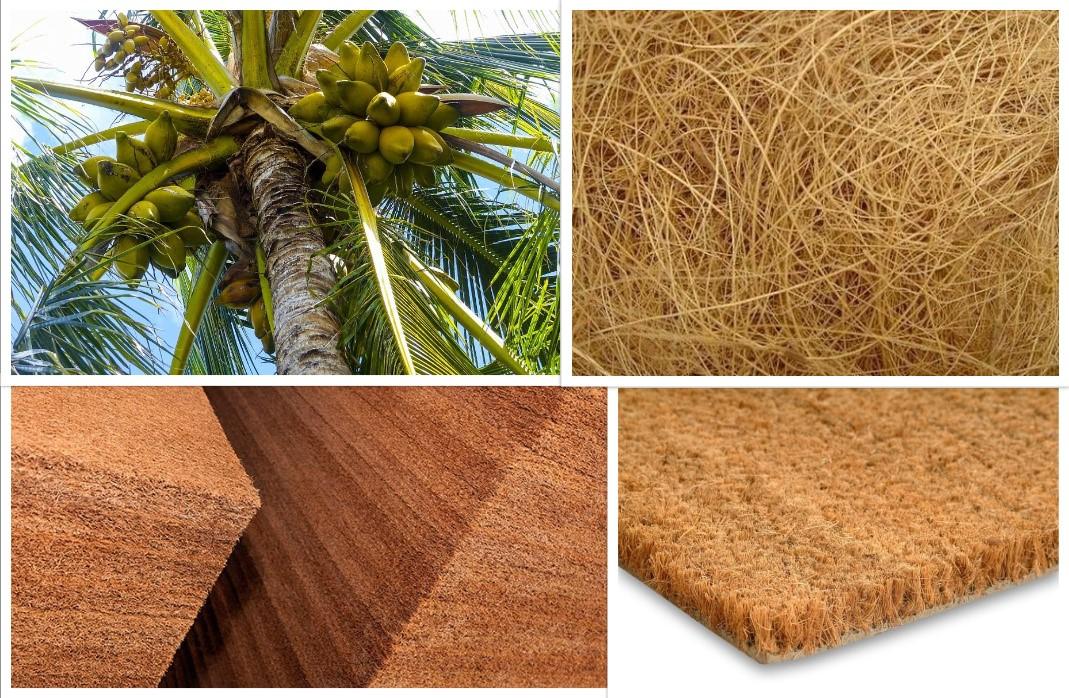
The thickest and most resistant of all commercial natural fibres, coir is a coarse, short fibre extracted from the outer shell of coconuts.
Coconut coir or, “Coco coir”, is a very versatile resource that is harvested from a fibrous layer underneath the exterior shell of the coconut. Since coconut growers consider it a waste product, its utilization is highly sustainable. You may have heard of coco coir being used in gardening, but there are many applications for it across multiple industries, beyond horticulture. Here are 10 interesting facts about coco coir that you probably didn’t know!
• Coco coir has many uses including in textiles, upholstery, making rope/fishing nets, environmental cleanup and horticulture, floor mats, doormats, brushes and mattresses.
• There is brown coco coir & white coco coir, each with different properties. When coconuts are ripe, they produce brown coir which is used in gardening and horticulture. White coir is harvested from unripe coconuts, and is much finer and lighter, it even floats on water. This makes it ideal for fishing nets, brushes, and finer textiles.
• Coco coir works well as a snail deterrent when used in the garden.
• Coco coir is highly absorbent and can hold up to 10x the water as peat moss. Some use it as a sustainable alternative to peat moss
• People often use coco coir as bedding in terrariums for snakes, lizards, turtles, and spiders.
• When used for gardening, coco coir is usually packed in a compressed brick. You need to soak the brick with water which allows it to expand substantially. You can then use it as a growing medium or potting mix additive.
• Coco coir contains very low levels of nutrients, so you can’t normally use it as the sole growing medium for plants, EXCEPT, you can use it for microgreens due to their extremely short grow cycle. This is because they don’t require soil nutrients. You also use coco coir in hydroponics since you add the nutrients directly into the water.
• You can re-use coco coir several times in gardening as it retains its properties over time.
• Because of its highly absorptive properties, people sometimes use coco coir to help clean up oil spills and other caustic fluids.
• People use coco coir in litter boxes and animal bedding because of its highly absorptive capabilities. It is much more sustainable than traditional clay cat litter pellets, which don’t break down. Coco coir also absorbs much more liquid than hay, straw, or newspaper which people often use as animal bedding.
These are just a few of the many interesting characteristics and applications of coco coir. In the spirit of sustainability, the utilization of coco coir is a sound environmental practice. Spread the word and take a step in a more sustainable direction.

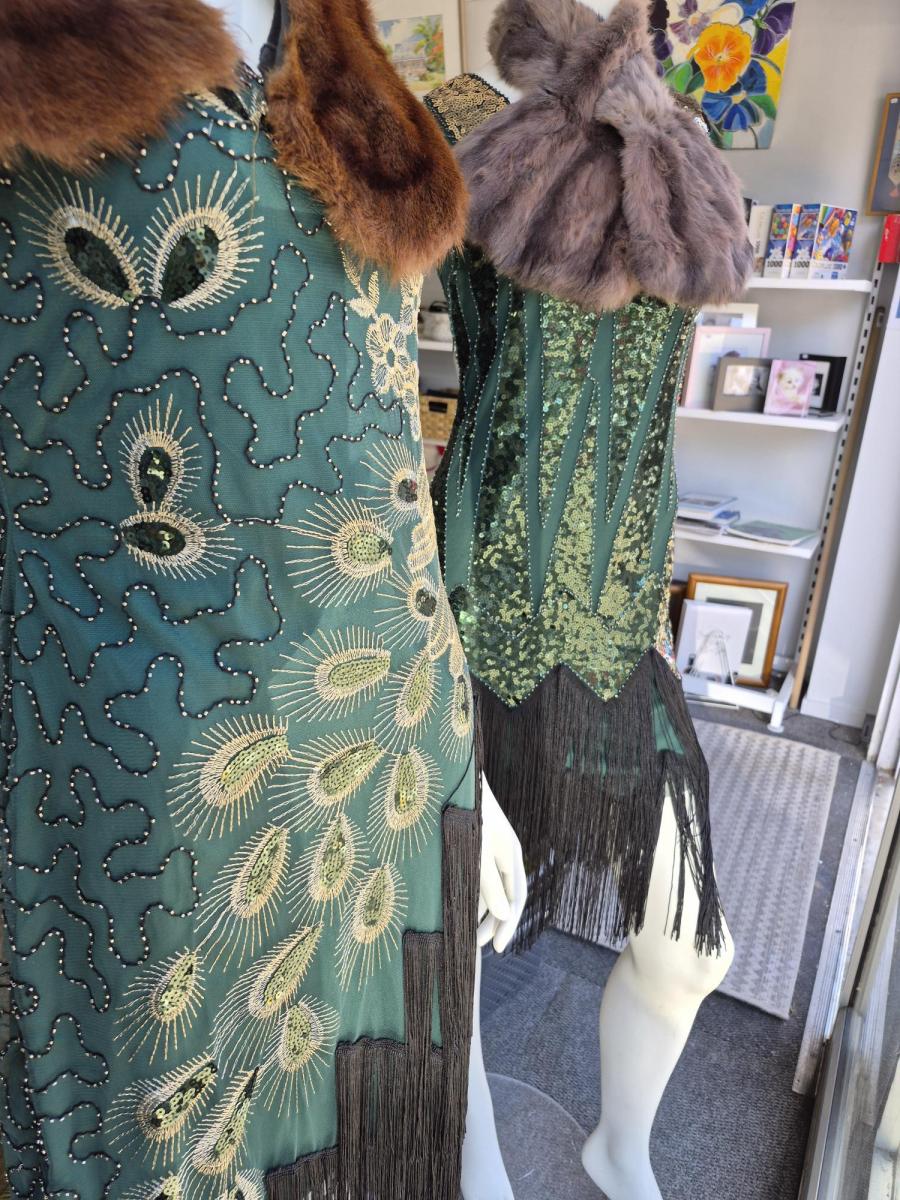
Step into the Art Deco vibe this weekend at our SPCA Op Shop 🎩💃🕯️
Our Napier Op Shop is buzzing with preloved Art Deco & Vintage treasures – the perfect excuse to wander, discover and play dress-up for the festival until Sunday 22 February 🎉👛
Find your unique piece, try something new, and thrift with us while supporting SPCA animals in need 🐾
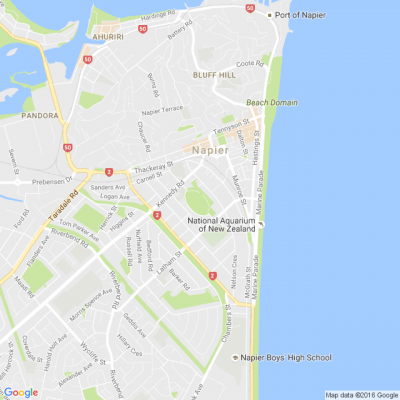
📍 104 Carlyle Street, Napier
🕘 Mon to Sat 9-5pm | Sun 10-3pm


Poll: 🤖 What skills do you think give a CV the ultimate edge in a robot-filled workplace?
The Reserve Bank has shared some pretty blunt advice: there’s no such thing as a “safe” job anymore 🛟😑
Robots are stepping into repetitive roles in factories, plants and warehouses. AI is taking care of the admin tasks that once filled many mid-level office jobs.
We want to know: As the world evolves, what skills do you think give a CV the ultimate edge in a robot-filled workplace?
Want to read more? The Press has you covered!

-
53.3% Human-centred experience and communication
-
14.3% Critical thinking
-
29.5% Resilience and adaptability
-
2.9% Other - I will share below!
The latest product recalls
We are bringing you the latest list of recalled products from across the country. Make sure you aren't using these at home!
Click on the blue text to learn more about that particular product and why it was recalled.
Food and household item recalls:
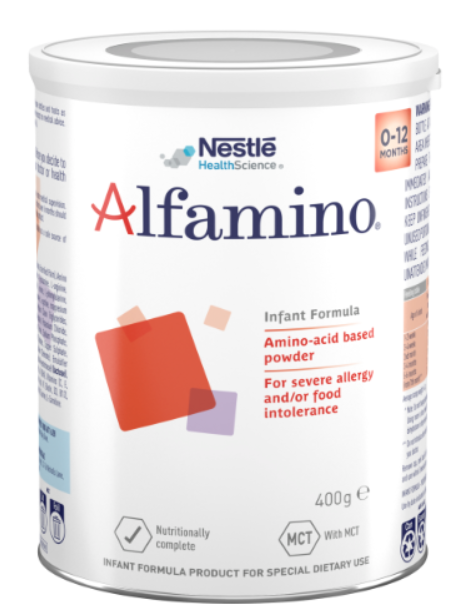
⚠️Cereulide toxin risk in Nestlé brand Alfamino Infant Formula (0-12 months) recalled due to the possible presence of the toxin cereulide
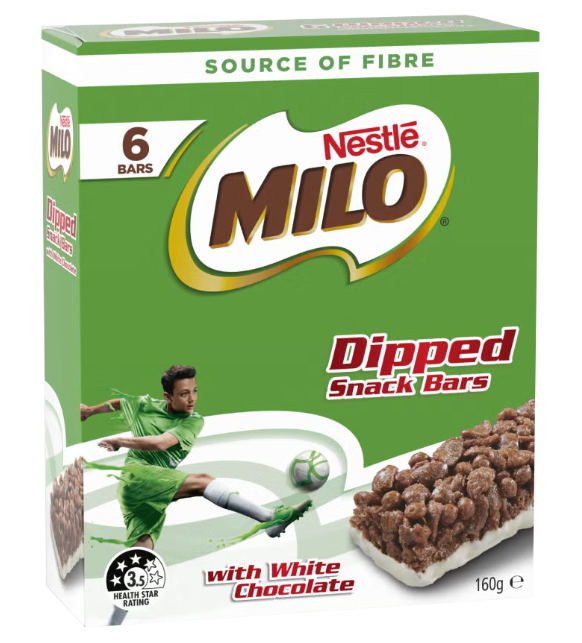
Nestlé Milo Dipped Snack Bars
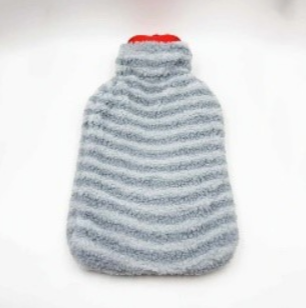
BC Hot Water Bottles sold at Bargain Chemist
Product Recalls: Infant care and clothing
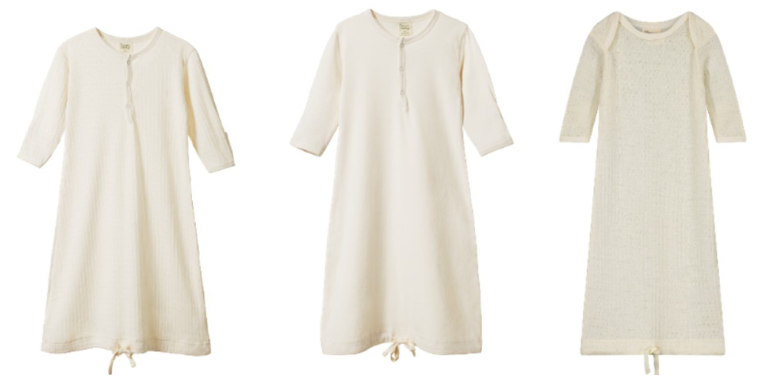
Nature Baby Sleeping Gown
Product Recalls: Toys
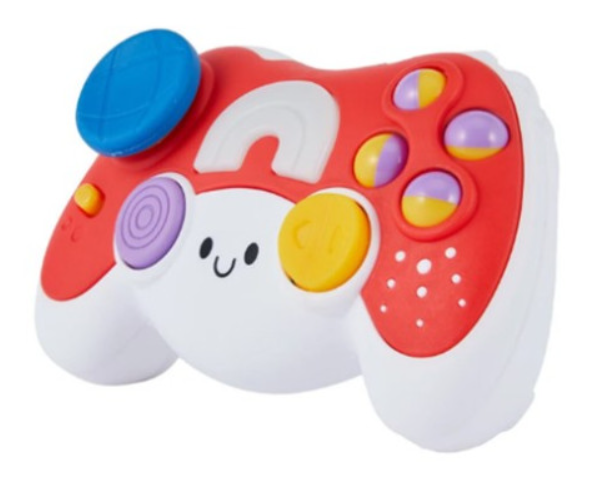
Sensory Game Controller - sold at Kmart
Product Recalls: Cosmetics
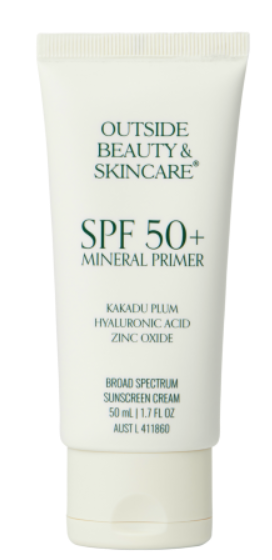
Outside Beauty & Skincare SPF 50+ Mineral Primer (2 batches)
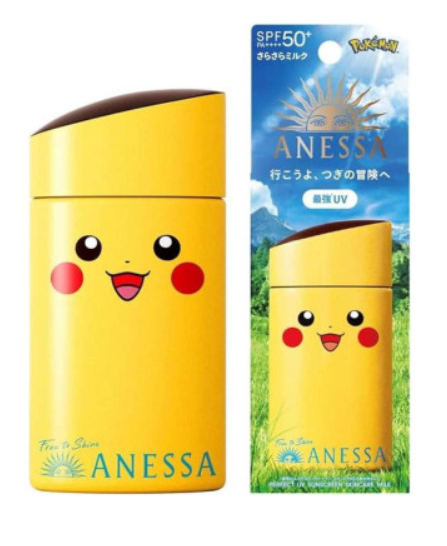
Anessa and Shiseido Anessa sunscreens sold only at Daikoku
Biore and Kao Biore sunscreens sold only at Daikoku
Kose Sunscreens sold only at Daikoku
Mentholatum sunscreens sold only at Daikoku
Pigeon sunscreens sold only at Daikoku
Rohto sunscreens sold only at Daikoku
Product Recalls: Electronics
Harvest Right Freeze Dryer HRFDSBKP-PP sold at Costco
Product Recalls: Other
Michelin X Multi Z and X Line Energy Z, size: 355/50R22.5, load/speed index:156K
UPDATED GASGAS Motorcycles: GASGAS Cross Country and Motocross model motorcycles with BRAKTEC brake system. New VINS added
Check the New Zealand Transport Agency's handy vehicle recall list here.
See past months' recalls. Stay safe, neighbours!
 Loading…