




State of emergency declared by Napier Mayor
UPDATED: November 18
4.58pm
Hawke's Bay District Health Board has issued a warning advising people not to gather shellfish from Hawke Bay until December 7.
The warning is due to health risk of eating shellfish that could be contaminated with sewage following the flood.
Non-filter feeding marine species including crayfish, fish, kina and paua are unaffected and can be consumed.
November 11
3.09pm
Civil Defence has released a guide outlining all the information you need to know about coping after the floods. Check it out here.
November 10
3.13pm
Civil Defence has advised those that have been affected by flooding to exercise caution when cleaning up their property. Flood water can contain hazardous bacteria that could lead to illness if proper hygiene is not adhered to. See the guide below to help keep you and your whānau safe:
Protecting your health in an emergency: Returning home after a flood.
November 10
9.40am
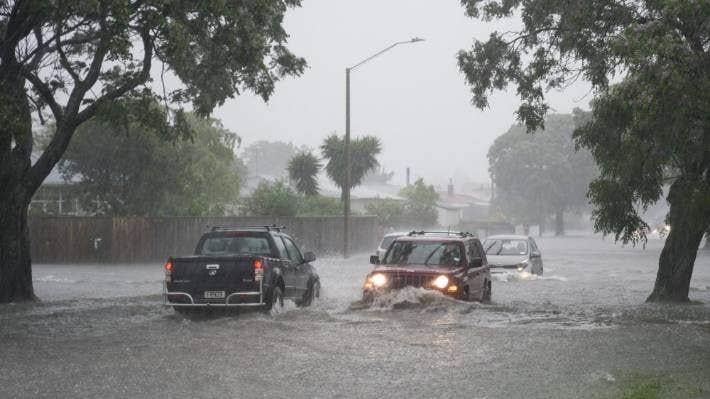
Flooding in Napier has caused residents to be stranded in their homes, schools to close and landslip warnings after Napier's wettest day in 150 years.
2000 houses have now had their power restored overnight leaving 680 properties still without power this morning (Tuesday 10 November). A number of landslips are being assessed on Napier Hill and a rain watch is still needed on the area from 3pm Tuesday afternoon to 10am Wednesday morning.
What you need to know:
- Emergency services are encouraging people to stay with family and friends if they need to evacuate. Where no other options are available, residents can evacuate to Kennedy Park (11 Storkey St, Marewa).
- Fire and Emergency New Zealand (FENZ), along with other agencies, are working to keep the community safe. Residents are urged to call 111 if they are feeling unsafe.
- FENZ says due to water contamination, residents should not drive in the flood waters and should stay indoors ensuring no food eaten has been in contact with flood waters due to the possible presence of sewage.
- MetService is also forecasting possible thunderstorms for northern Hawke’s Bay. Residents are urged to keep an eye on the news and expect delays if travelling.
Hawke’s Bay police area commander, Jeanette Park says residents in Marewa and Onekawa should stay inside until the flood waters receded, and all Napier residents who do not need to travel should stay home.
Police will continue today to work alongside the Hawke's Bay Civil Defence Emergency Management Group to ensure the community is kept safe at this time. Read further updates now.

Don't overthink this riddle...
I have a silver sole
but no feet,
I make my living by bringing the heat.
What am I?
Do you think you know the answer? Simply 'Like' this post if you know the answer and the big reveal will be posted in the comments at 2pm on the day!
Want to stop seeing these in your newsfeed?
Head here and hover on the Following button on the top right of the page (and it will show Unfollow) and then click it. If it is giving you the option to Follow, then you've successfully unfollowed the Riddles page.

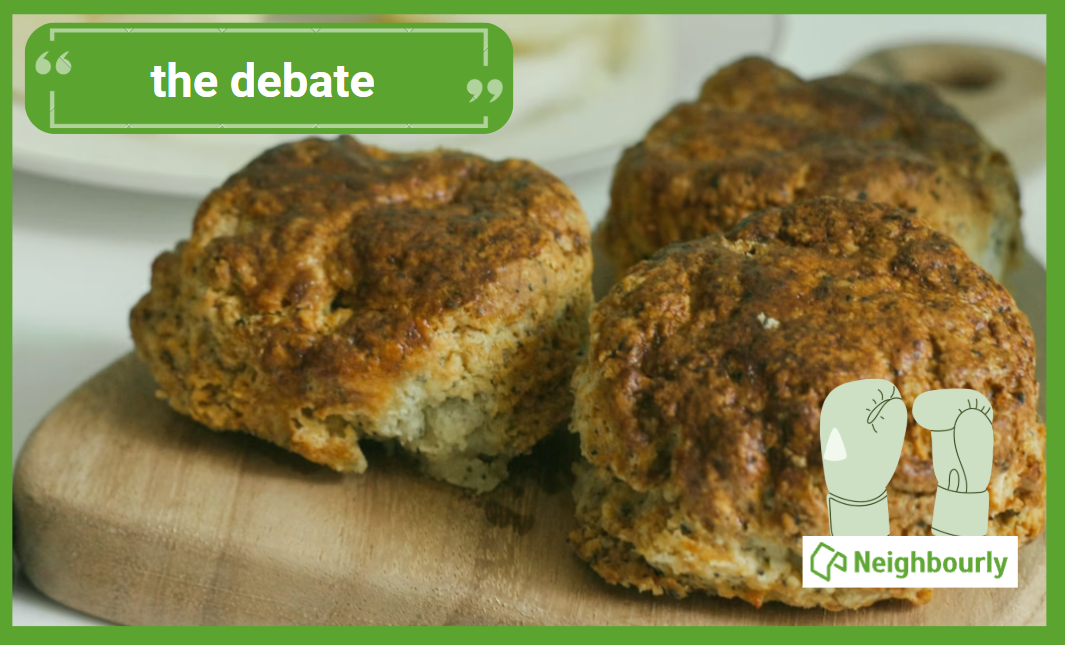
Poll: Does a savoury scone require cheese on top, or folded inside?
Help settle the great kiwi debate ... cheese on top, or folded inside?
-
76.5% Inside!
-
23.5% On top!

A reminder this hunting season
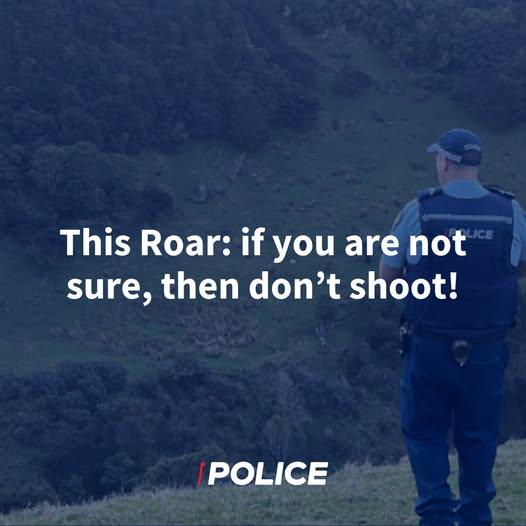
As thousands of hunters are making their plans for autumn – the Roar – recreational firearms groups are urging hunters to always be 100% sure of their targets.
Te Tari Pureke - Firearms Safety Authority NZ, which chairs the Recreational Firearms Users Group, has begun a public information campaign reminding hunters everywhere of Rule #4 of the Firearms Safety Code: to identify their target beyond all doubt.
Director Communities and Corporate, Mike McIlraith, says there is an estimated 50,000-60,000 New Zealanders involved in big game animal hunting each year, and the Roar is the key event for many hunters each year.
“The Roar is a fantastic time of year for hunters to get out into the hills after a trophy animal but hunting safely and making sure everyone gets home in one piece, still must be the most important goal of every trip,” says Mike McIlraith.
“The consequences of not fully identifying your target beyond all doubt can be catastrophic. Our message to hunters is a really simple one: If you are not sure, then don’t shoot.”
Mike McIlraith says while hunting fatalities are thankfully rare, research has shown that misidentification of the target is the largest firearms related risk to New Zealand deer hunters, and 80% of the time this involves members of the same hunting group.
The Authority says hunters should not feel pressured to take a shot: “Instead, hunters should take the time to analyse their target, wait and see if it is a hind or stag, how old is the animal, how many points does its antlers have? Identifying your target means never firing at sound, shape, colour or movement alone.”
Mike McIlraith says good hunters will slow down, and run through some simple mental checks:
- Can I see the whole animal, or could this be another hunter?
- Where are my hunting companions – could this be them or someone else?
- How much of the animal can you see, if it is a hind or stag, how old is the animal, how - many points does its antlers have?
“Taking a little extra time to identify your target and check the firing zone is the key to safer hunting. No meat or no trophy is better than no mate,” he says.
 Loading…