





New alpine trap line lies in wait for expected predators
By reporter Debbie Jamieson:
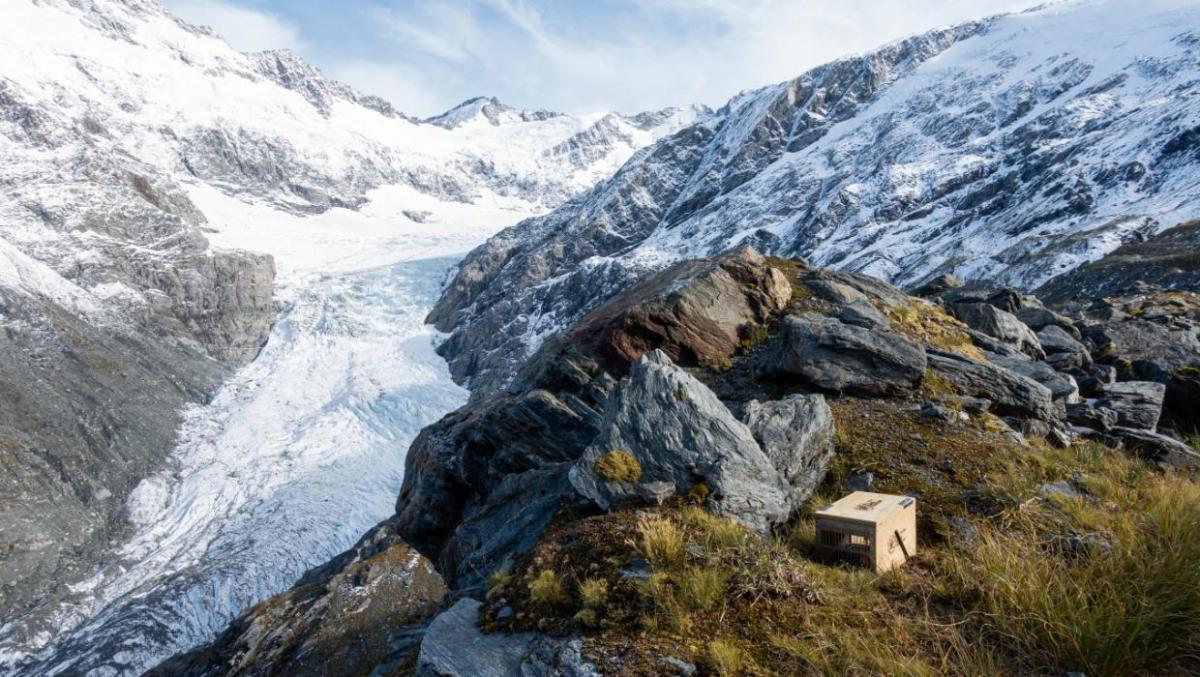
A new high alpine predator trap line is the final link in a 100km front protecting native wildlife between Wānaka and Glenorchy.
The installation of the 64 traps was also a symbolic joining of the Wānaka and Whakatipu basins in a bid to create the largest predator-free sanctuary on the New Zealand mainland.
Southern Lakes Sanctuary Trust hub co-ordinator Tom Reeves led a team of five workers installing the traps across about 13km from the Cascade Saddle to the Rees Saddle last week.
The traps were dropped into 10 locations by Aspiring Helicopters before the team spent two nights in the mountains installing each trap.
Reeves said the construction of the trap line was a goal when the trust was formed in 2021.
Since then the umbrella organisation had brought together six local groups representing 84 community groups, landowners and businesses to work on its predator-free plans.
The highest installed trap on the line sat at 1835 metres, making it one of the higher trap lines in the country.
The traps targeted stoats, rats and other mustelids, and would actively help protect kea and rock wren in their natural habitat, he said.
Giant weta, alpine invertebrates and lizards would also benefit.
In summer, stoats would come over the mountain passes and re-invade valleys such as the West Matukituki, where long tailed bats and robins and kaka lived, he said.
The trap line also provided protection for the Rees Valley, where the Department of Conservation is hoping to establish a population of vulnerable takahe.
“We’ve put several hundred traps into the Rees already and this is all part of gearing up for that huge trans-relocation as well,” Reeves said.
The traps would be checked monthly, but not in winter due to snow and avalanche risk.
Maintaining the trap line would be a joint venture between the Matukituki Charitable Trust servicing the traps on the Wānaka side, and the Routeburn Dart Wildlife Trust responsible for the Glenorchy side.
The Southern Lakes Sanctuary Trust was continuing to seek support from funders and volunteers to continue the work, he said.
“Otherwise a lot of those gains we’ve made over these last few years will disappear so we do need a lot of help.“
The trust’s 30-year goal is to create a 660,000-hectare area free of introduced pests where the indigenous fauna – including 35 endangered species – is able to thrive.

Some Choice News!
DOC is rolling out a new tool to help figure out what to tackle first when it comes to protecting our threatened species and the things putting them at risk.
Why does this matter? As Nikki Macdonald from The Post points out, we’re a country with around 4,400 threatened species. With limited time and funding, conservation has always meant making tough calls about what gets attention first.
For the first time, DOC has put real numbers around what it would take to do everything needed to properly safeguard our unique natural environment. The new BioInvest tool shows the scale of the challenge: 310,177 actions across 28,007 sites.
Now that we can see the full picture, it brings the big question into focus: how much do we, as Kiwis, truly value protecting nature — and what are we prepared to invest to make it happen?
We hope this brings a smile!


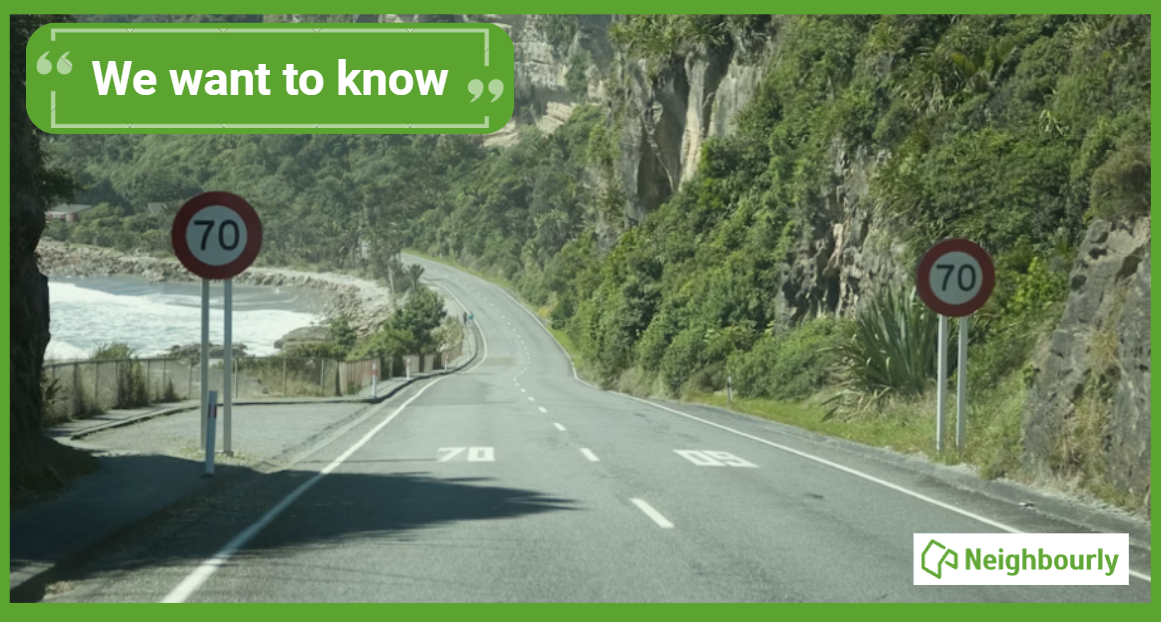
Poll: If we want to reduce speeding, what do you think actually changes driver behaviour? 🛻🚨🚓
In the Post's article on speeding penalties, the question is asked whether speeding fines are truly about road safety, or are they just a way to boost revenue for the Crown?
What do you think? Should speeding motorists receive speeding fines or demerit points?
-
37.6% The sting of a fine (Money talks!)
-
62.4% The threat of demerit points (Nobody wants to lose their license!)

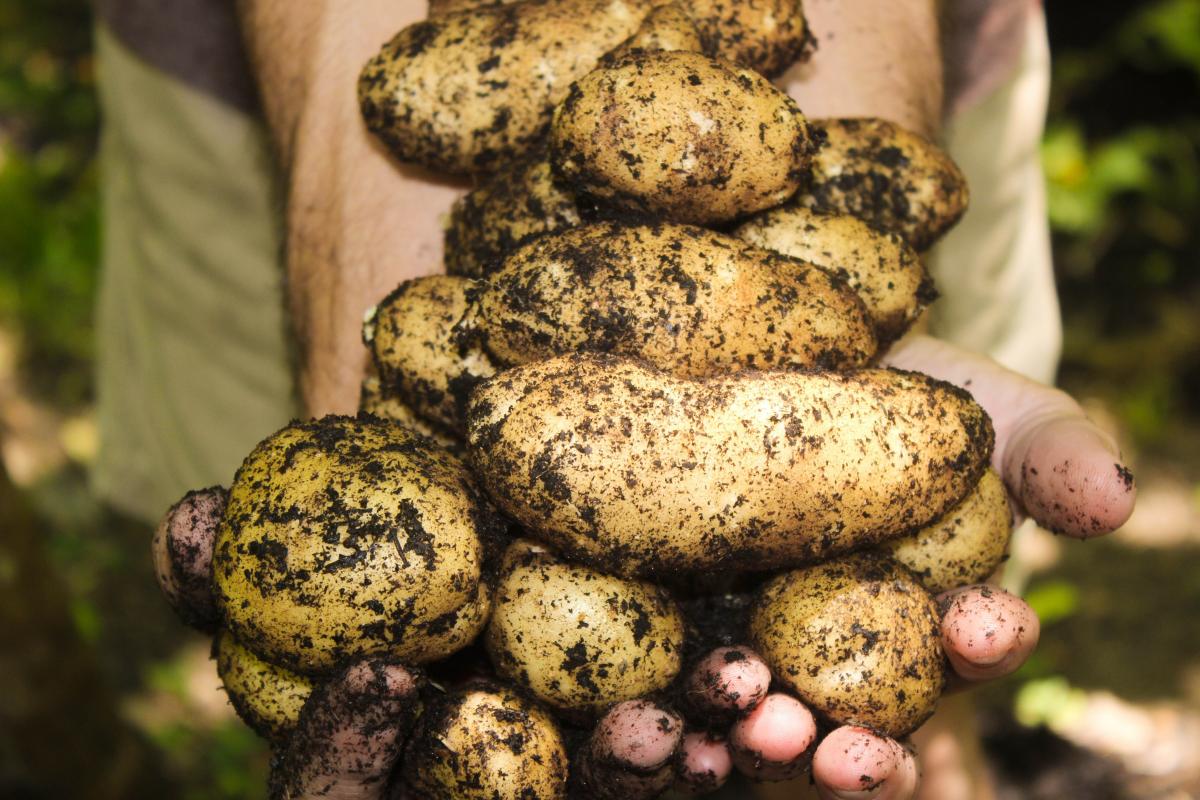
Share your favourite main crop potato recipe and win a copy of our mag!
Love potatoes? We will give away free copies of the May 2026 issue to readers whose potato recipes are used in our magazine. To be in the running, make sure you email your family's favourite way to enjoy potatoes: mailbox@nzgardener.co.nz, by March 1, 2026.
 Loading…