





Sickness, boiled water and another hit for Queenstown businesses
Thousands of New Zealanders are drinking water at risk of carrying the same parasite that is causing sickness and disrupting business in Queenstown.
Drinking water providers installed barriers to neutralise or eliminate protozoa such as cryptosporidium and giardia. The barrier was usually either UV equipment or a fine mesh.
Despite legislation requiring protozoa barriers to be in place in New Zealand since 2014, the water supply drawn from the apparently pristine Lake Wakatipu and feeding central Queenstown did not have one.
The cryptosporidium outbreak was confirmed by September 18 and the Queenstown Lakes District Council quickly imposed a boil water notice in the town. Ongoing testing had failed to reveal a source of the outbreak, but the water supply was considered the most likely.
The council predicted it could be December before a protozoa barrier was in place and the boil water notice was lifted.
Water regulator Taumata Arowai had been assessing water supplies across the country to ensure they had protozoa barriers in place, prior to the Queenstown outbreak.
On Thursday, it said 84 drinking water supplies did not have a protozoa barrier in place, affecting more than 310,000 New Zealanders - 295,000 of those in the South Island.
It put the 27 councils involved on notice to have a plan and funds locked in to fix their drinking water supplies by June next year.
Putting the barriers in place could cost anywhere from tens of thousands of dollars to millions, and it was money the councils would have to find.
Read reporter Debbie Jamieson's full story here.


Some Choice News!
DOC is rolling out a new tool to help figure out what to tackle first when it comes to protecting our threatened species and the things putting them at risk.
Why does this matter? As Nikki Macdonald from The Post points out, we’re a country with around 4,400 threatened species. With limited time and funding, conservation has always meant making tough calls about what gets attention first.
For the first time, DOC has put real numbers around what it would take to do everything needed to properly safeguard our unique natural environment. The new BioInvest tool shows the scale of the challenge: 310,177 actions across 28,007 sites.
Now that we can see the full picture, it brings the big question into focus: how much do we, as Kiwis, truly value protecting nature — and what are we prepared to invest to make it happen?
We hope this brings a smile!


Poll: If we want to reduce speeding, what do you think actually changes driver behaviour? 🛻🚨🚓
In the Post's article on speeding penalties, the question is asked whether speeding fines are truly about road safety, or are they just a way to boost revenue for the Crown?
What do you think? Should speeding motorists receive speeding fines or demerit points?

-
37.4% The sting of a fine (Money talks!)
-
62.6% The threat of demerit points (Nobody wants to lose their license!)

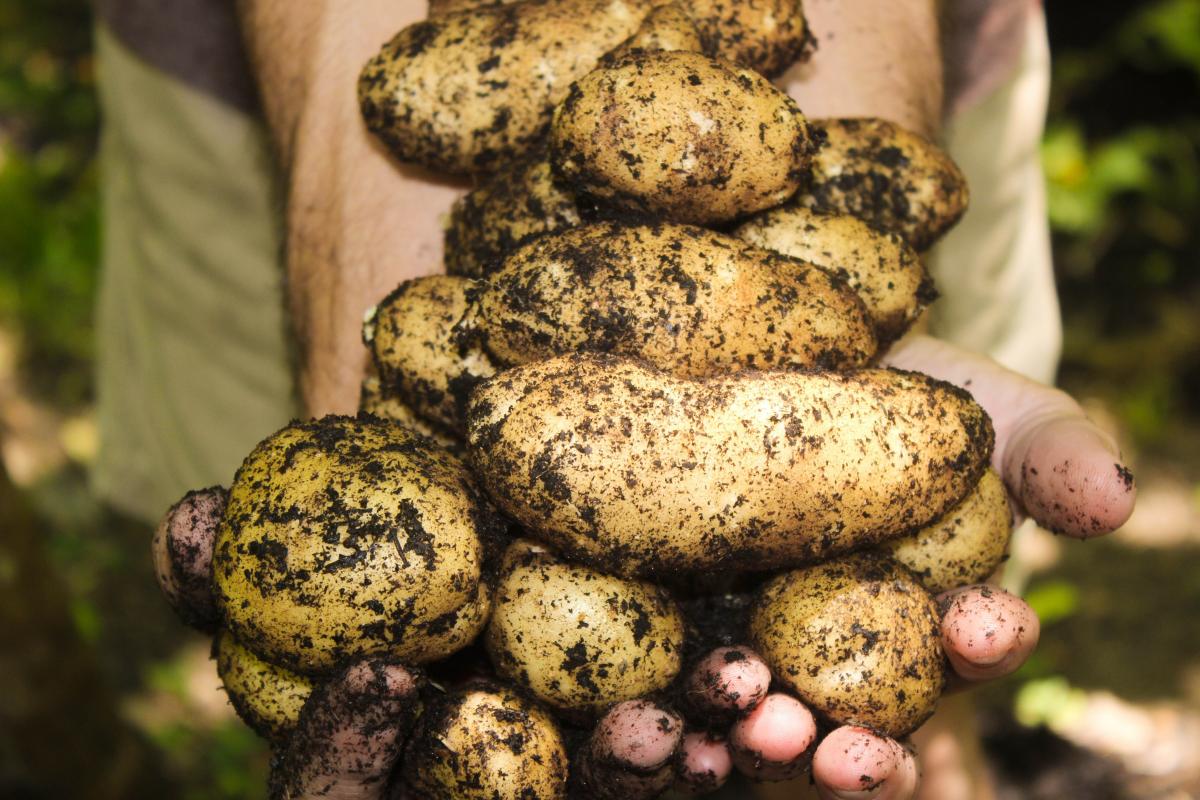
Share your favourite main crop potato recipe and win a copy of our mag!
Love potatoes? We will give away free copies of the May 2026 issue to readers whose potato recipes are used in our magazine. To be in the running, make sure you email your family's favourite way to enjoy potatoes: mailbox@nzgardener.co.nz, by March 1, 2026.
 Loading…