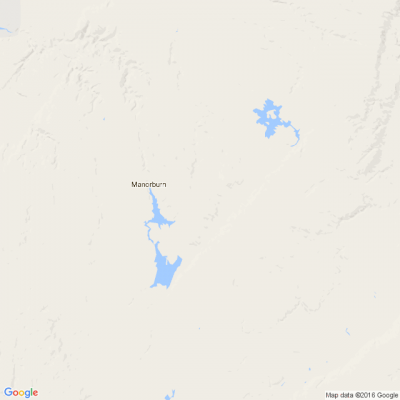
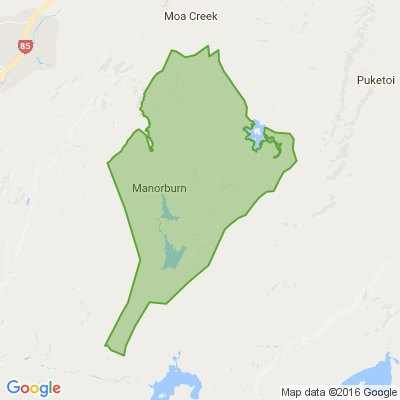






What do I need to know about the gastro bug in Queenstown?
When Queenstown Lakes District Council warned residents to boil water on Monday, there had been eight confirmed cases of cryptosporidium in the area. The next day that had almost doubled to 15.
There is no confirmed link to the water supply, but it cannot be ruled out as the source, the local council says, so we got the low down from a parasite expert on what exactly the gastro bug is, and what could be in store if you’ve accidently been guzzling infected water.
Is cryptosporidium really that bad?
It’s definitely a grim disease, says Otago University parasitologist Bruce Russell. It’s a gut parasite that can affect animals and humans and while it’s resistant to chlorine, it can be quashed by boiling water.
It’s passed on in the faeces of infected animals and humans, and people become infected, often through water contaminated by infected animal or human faeces.
Cryptosporidium cases tend to spike at the beginning of lambing season, largely from people handling the animals and winding up with, “sheep poo” all over you.
In fact, he says, a lot of farmers get the disease from direct contact with animals. Cases occur year-round in New Zealand, but particularly in the spring. While Russell says cryptosporidium is something that “hangs about in New Zealand all the time”, outbreaks, like what is happening in Queenstown at the moment, are “a bit different”.
How could it have got in the water supply?
If it is coming through the water supply it’s likely because, “a large quantity of infected poop is being washed into the waterways and the dam reservoir". “It’s a tough parasite to deal with”.
I accidently drank water from the tap, should I freak out?
Unfortunately, says Russell, there’s not a lot you can do, now but wait, boil water from now on and hope you don’t get sick.
If I do get the bug, just how bad will it get?
The good news is, if you’re healthy and fit it’s often not, “that bad of a disease”, but you may still feel pretty rough. It depends on the person, too. Russell has also had a few colleagues come down with it before who, “looked pretty wasted by it”.
What about my kids?
Unfortunately the population to “watch out for” are kids aged 1-4, who dehydrate quickly with diarrhoea. Russell says people should definitely seek medical attention for the kids if they develop symptoms. The other high risk population are immuno-compromised people, which this type of disease can “wreak havoc” on.
Just how long does the ‘grim’ disease last?
You’re probably going to be feeling pretty rough for about a week.
Is there a cure or vaccine?
There are no drugs or vaccines for cryptosporidium. Being a parasite, “these things are difficult to get drugs and vaccines for,” he says.
I drank water yesterday. How long until I know I’m safe?
This can depend on the person, says Russell, but most people will be waiting for about five days before they know if they’re sick.
OK, so it’s a gastro bug, what exactly are we talking about here?
After a few days people will, “start to feel a bit uncomfortable in the stomach”. Early symptoms include cramps, then people will start to feel a bit uncomfortable in the stomach. Cramps and fever are also early sign. Most cases will have “watery diarrhoea” and severe cases can also include vomiting.
How can I make myself feel better?
Russell says if you do get sick, it’s important to keep hydrated and take electrolytes. And “stay near the toilet”. Severe cases may need a drip to replace fluids.
Do I have to go to hospital?
If you come down with cryptosporidium, Russell says you should definitely see your GP or health provider.
“It’s a notifiable disease in New Zealand, so it’s important for our community that we know what’s going on.
“People that seek medical attention are real heroes, risking the trip to the hospital or GP to get treated,” he says.
“It can be a tough disease. Anyone who’s had it knows, one minute you might need to make a run for it.”


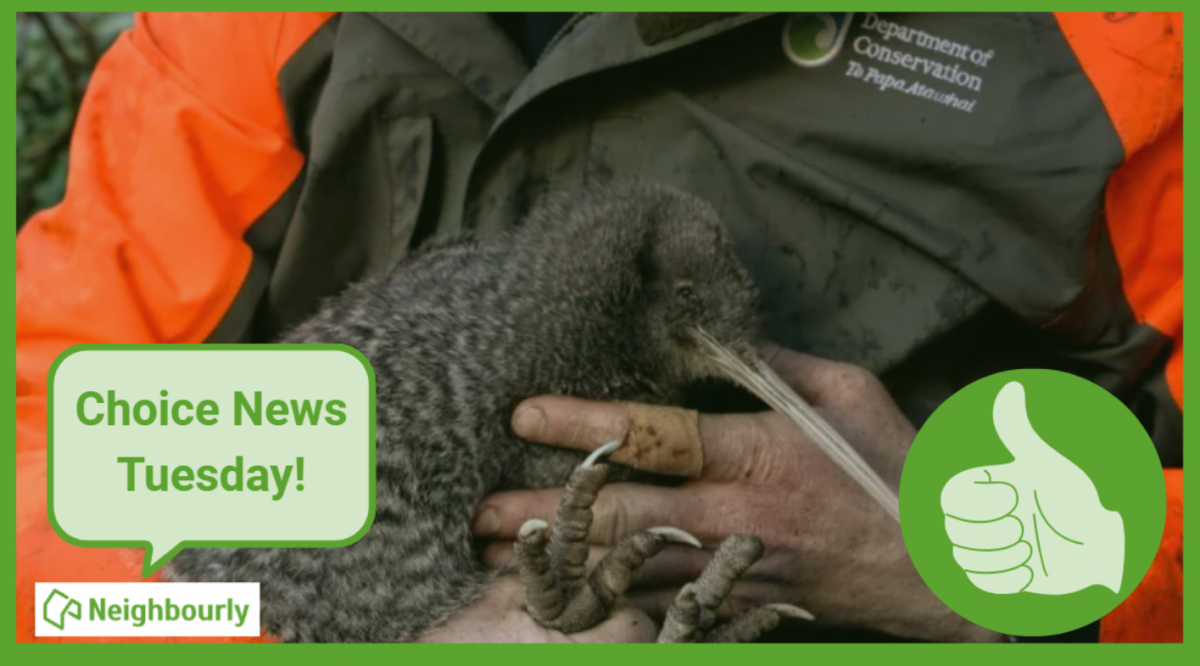
Some Choice News!
DOC is rolling out a new tool to help figure out what to tackle first when it comes to protecting our threatened species and the things putting them at risk.
Why does this matter? As Nikki Macdonald from The Post points out, we’re a country with around 4,400 threatened species. With limited time and funding, conservation has always meant making tough calls about what gets attention first.
For the first time, DOC has put real numbers around what it would take to do everything needed to properly safeguard our unique natural environment. The new BioInvest tool shows the scale of the challenge: 310,177 actions across 28,007 sites.
Now that we can see the full picture, it brings the big question into focus: how much do we, as Kiwis, truly value protecting nature — and what are we prepared to invest to make it happen?
We hope this brings a smile!

Poll: If we want to reduce speeding, what do you think actually changes driver behaviour? 🛻🚨🚓
In the Post's article on speeding penalties, the question is asked whether speeding fines are truly about road safety, or are they just a way to boost revenue for the Crown?
What do you think? Should speeding motorists receive speeding fines or demerit points?
-
37.4% The sting of a fine (Money talks!)
-
62.6% The threat of demerit points (Nobody wants to lose their license!)

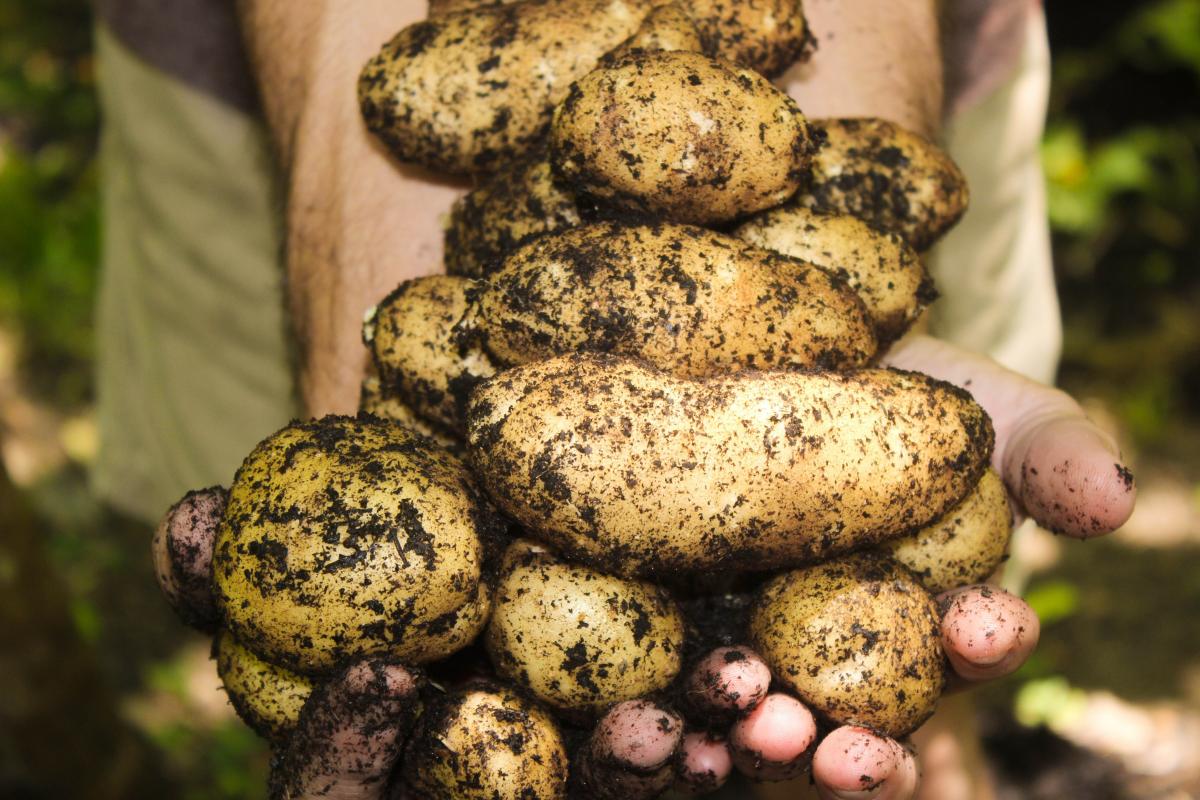
Share your favourite main crop potato recipe and win a copy of our mag!
Love potatoes? We will give away free copies of the May 2026 issue to readers whose potato recipes are used in our magazine. To be in the running, make sure you email your family's favourite way to enjoy potatoes: mailbox@nzgardener.co.nz, by March 1, 2026.
 Loading…