




New Central Otago river minimum flows could cost '$100m plus' - farmers
From reporter Debbie Jamieson:
Central Otago farmers say it could cost more than $100 million for the community to meet proposed minimum flows for the Manuherekia River.
The Otago Regional Council received a report this week that summarises recent hydrology and ecology work on the river and suggests setting a minimum flow of 2000 and 2500 litres per second.
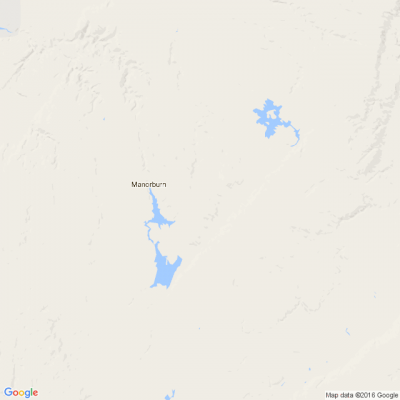
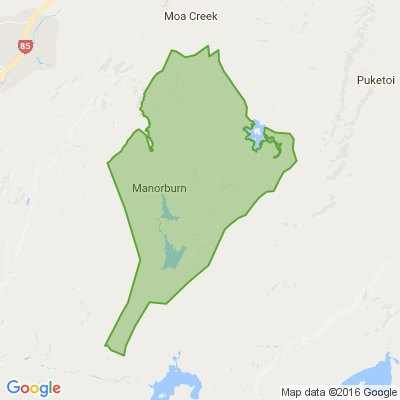
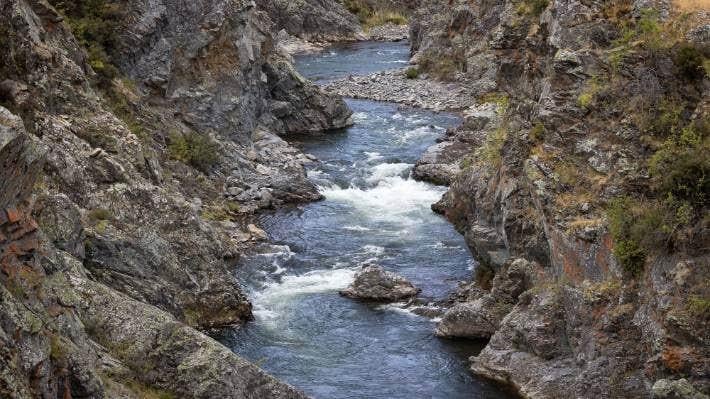
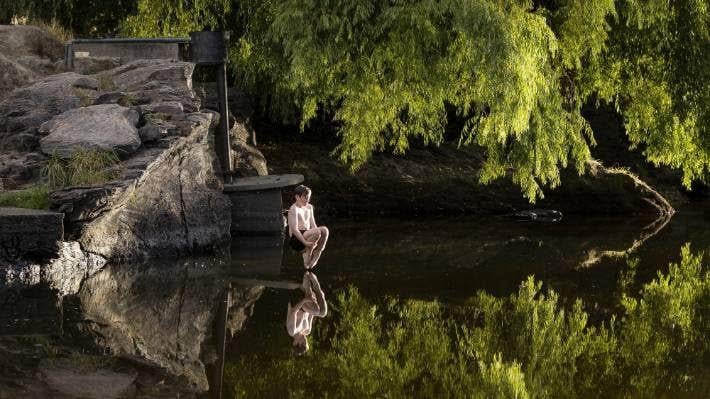
The 85km river, which runs from the Maniototo to Alexandra, has a long history of water use for gold mining and irrigation with about 75% of its water currently taken – compared to about 25% in other regions of New Zealand.
In an effort to meet the Government’s National Policy Statement on Freshwater Management the council considered a plan to set a low flow of between 1200 and 3000 litres per second, in August 2021.
A bitter discussion followed, resulting in one councillor resigning, calls for the Environment Minister to replace councillors with commissioners, and a vote for more “science” to be undertaken.
Two years later, that work is complete, and the new report is on the table.
However, Matakanui Station owner and Manuherekia Catchment Group interim chairperson Andrew Paterson said the farming community was not happy with the recommended flow, which was double the 1100 litres per second suggested by farmers.
“We don’t disagree that there should be an increase in minimum flow. We just disagree on how high it should be.
“We all love the river. It’s the lifeblood of the valley. It keeps the valley and the communities pumping, and we don’t want to cut that off,” he said.
Reaching the proposed flow in summer would require use of water stored in the Falls Dam or community reservoirs, which could cost more than $100 million to build, he said.
That was a cost that should be met by the wider community as it extended beyond the interests of farmers, he said.
Farmers were suspicious that the council was attempting to make the science fit a figure and felt that the arguments were stacked against farmers, he said.
Between 400 and 500 farms, orchards and vineyards were reliant on the river and would continue to be involved in the process.
It had the potential to go to the Environment Court, Paterson said.
“The views of the farming community compared to the views of the community are poles apart. We could never come to an agreement.”
Councillor Alexa Forbes said receiving the report during a briefing on Tuesday felt like reaching a milestone after a long and bitter journey.
“The feeling around the table was so much more positive and workable than that dreadful day in August 2021 when we really found no common ground at all,” she said.
Draft recommendations would be developed and put before the council for noting in September, ahead of a public consultation period.


Poll: If we want to reduce speeding, what do you think actually changes driver behaviour? 🛻🚨🚓
In the Post's article on speeding penalties, the question is asked whether speeding fines are truly about road safety, or are they just a way to boost revenue for the Crown?
What do you think? Should speeding motorists receive speeding fines or demerit points?
-
37.1% The sting of a fine (Money talks!)
-
62.9% The threat of demerit points (Nobody wants to lose their license!)

Some Choice News!
DOC is rolling out a new tool to help figure out what to tackle first when it comes to protecting our threatened species and the things putting them at risk.
Why does this matter? As Nikki Macdonald from The Post points out, we’re a country with around 4,400 threatened species. With limited time and funding, conservation has always meant making tough calls about what gets attention first.
For the first time, DOC has put real numbers around what it would take to do everything needed to properly safeguard our unique natural environment. The new BioInvest tool shows the scale of the challenge: 310,177 actions across 28,007 sites.
Now that we can see the full picture, it brings the big question into focus: how much do we, as Kiwis, truly value protecting nature — and what are we prepared to invest to make it happen?
We hope this brings a smile!


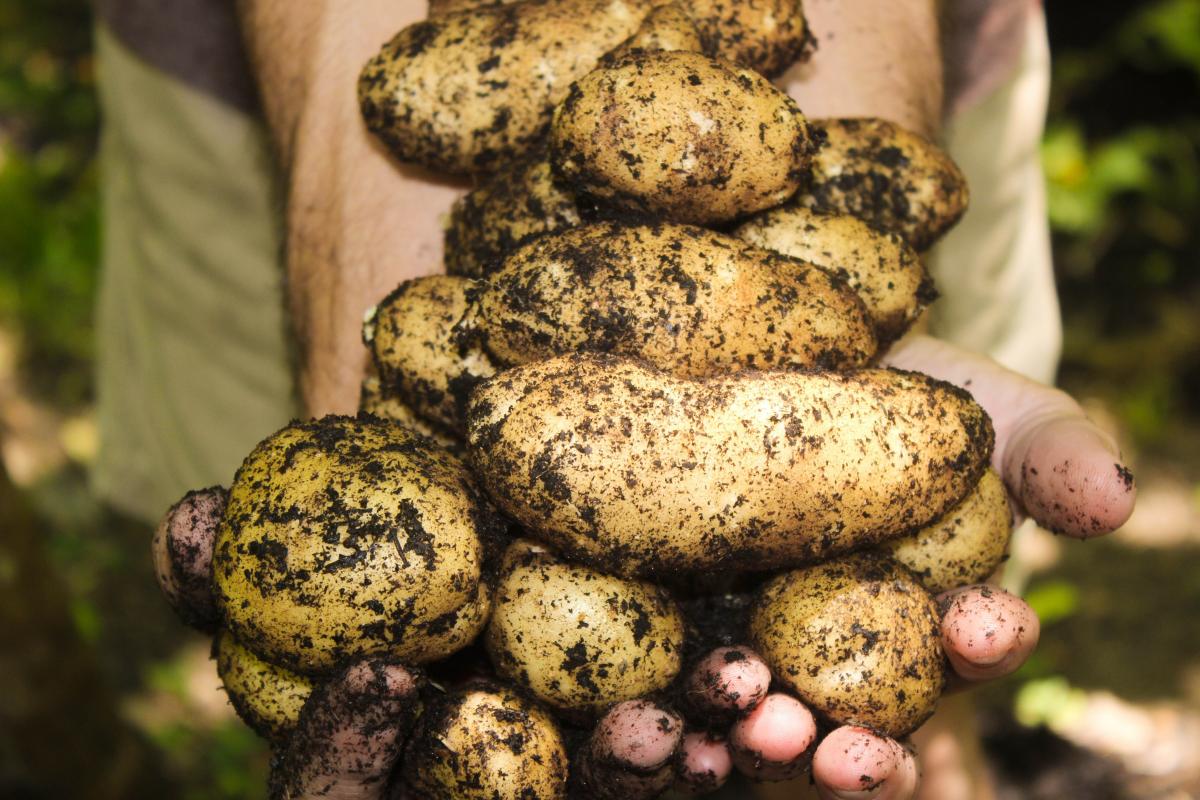
Share your favourite main crop potato recipe and win a copy of our mag!
Love potatoes? We will give away free copies of the May 2026 issue to readers whose potato recipes are used in our magazine. To be in the running, make sure you email your family's favourite way to enjoy potatoes: mailbox@nzgardener.co.nz, by March 1, 2026.
 Loading…