




Residents fed up over Queenstown buses that either run late or don't come at all
From reporter Debbie Jamieson:
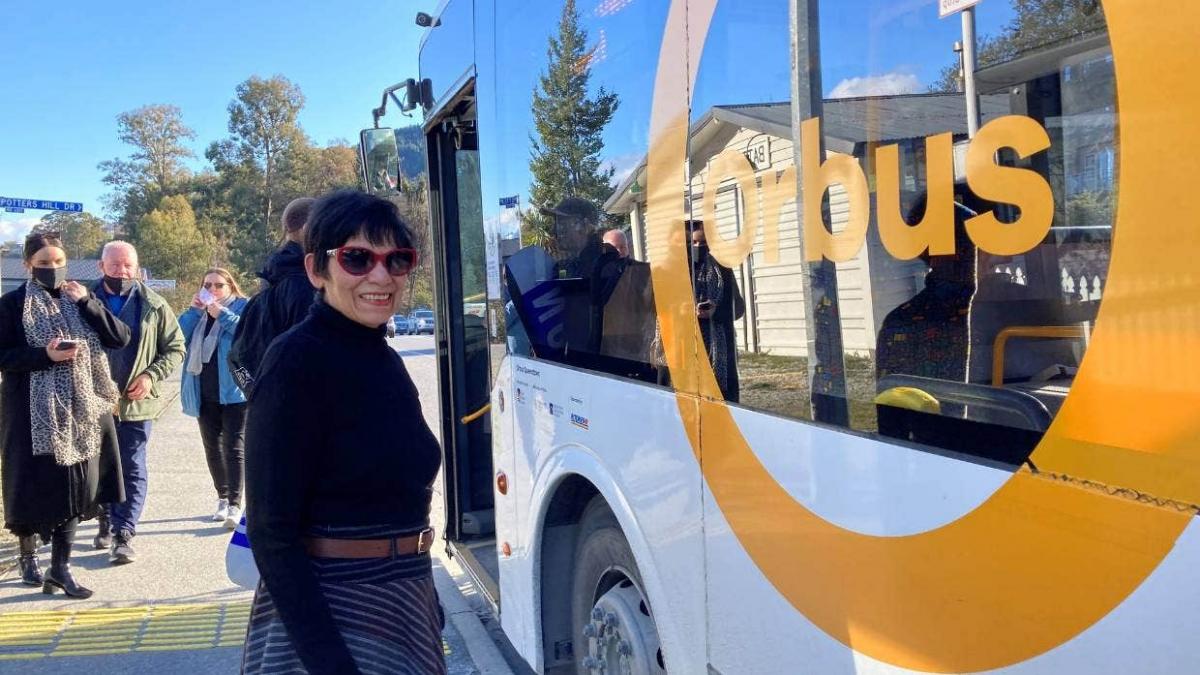
June Baptista has spent three years singing the praises of Queenstown’s bus services. Six weeks ago that stopped.
The retired teacher doesn’t have a car so relies on buses to get to appointments and to the local high school to do relief teaching. But suddenly the buses stopped turning up.
“One evening I waited for more than an hour at the bus stop.
“Later I was told there was a reduced timetable, so I looked at the new timetable when I had to get a booster shot in town. It still didn’t come for an hour and I missed the appointment.”
Baptista is among the many bus users complaining about changes that have led to less frequent services, irregular arrivals and sometimes no buses not turning up at all.
Those affected include school children, workers, tourists and Otago regional councillor Alexa Forbes.
The regional council is responsible for providing bus services and Forbes, who lives in Queenstown and is a regular bus user, is chairperson of the Otago regional transport committee.
She said she was “nice and early” to catch a bus to an event in Arrowtown from the Frankton bus hub, but it never arrived.
“Despite the website saying it was 10 minutes away, nothing happened.”
The next bus was running 40 minutes late because of congestion from skiers coming down from Coronet Peak, and she ended up getting a ride with a friend.
Bus driver shortages are being felt across the country. In mid-July, the Otago Regional Council introduced a temporarily reduced timetable for Queenstown and Dunedin services.
This week, it said it was short 39 public transport bus drivers.
A full timetable would not be reinstated “in the short term”, transport manager Doug Rodgers said.
Queenstown Lakes mayor Jim Boult put the problem down to wages, which were about $23 an hour.
“A cleaner around here can get $27 to $28 an hour these days – no wonder they are having trouble getting drivers.”
In Auckland, bus drivers’ pay was bumped up in July to an average of about $25.62 an hour. In Wellington in December, the rate went up to $27 an hour.
The regional council and Waka Kotahi provide the bulk of bus driver wages, but bus contractor Ritchies sets the pay rate in Queenstown.
The company manager could not be reached for comment.
On Wednesday, the regional council agreed on an unbudgeted increase to ensure all drivers are paid at least the living wage as of September 1 – $23.65.
It was an increase of 90 cents, according to Rodgers, and would cost the council almost $500,000 a year.
Rodgers said the driver shortage was the sole reason for the reduced timetable, but Boult and Dunedin mayor Aaron Hawkins saw wider problems and wanted their councils to have more control of local bus services.
Control of bus services currently sits with regional councils.
Last week, Transport Minister Michael Wood announced a new “sustainable public transport framework” would replace that model, opening the door for more involvement from district and city councils.
This was welcomed by Boult, who provided much of the momentum behind the new, cheaper and more frequent Queenstown $2 bus service, which started in 2017.
“I’d have to say that I’m disappointed, particularly post-Covid ... that the ball has been dropped and we’re seeing services curtailed and I’m getting complaints.
“When the $2 bus was introduced we probably had a public transport system that was envied by every council. That has been eroded.”
After months of waiting, the mayors have secured an informal meeting with Otago Regional Council officials later this week.
However, Forbes warned that there would not be a quick fix.
A new governance structure would be needed, then funding would have to be considered.
“There won’t be more money in the public pot. Somehow or other the councils involved are going to figure out how this will be funded,” she said.
In Wellington and Auckland, driver pay rises were achieved by increasing rates.
Baptista hoped changes would be made soon, so she would no longer have to wait an hour for a bus that may never come.
“Can you imagine wasting all that energy and time waiting when you could have done something more productive?”

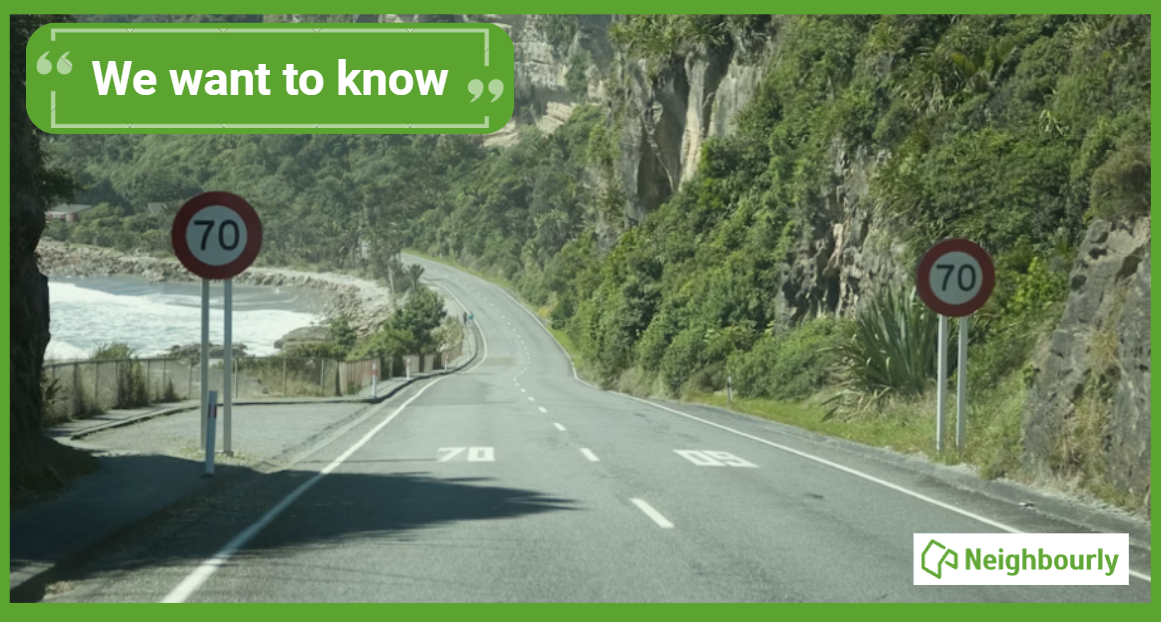
Poll: If we want to reduce speeding, what do you think actually changes driver behaviour? 🛻🚨🚓
In the Post's article on speeding penalties, the question is asked whether speeding fines are truly about road safety, or are they just a way to boost revenue for the Crown?
What do you think? Should speeding motorists receive speeding fines or demerit points?
-
37% The sting of a fine (Money talks!)
-
63% The threat of demerit points (Nobody wants to lose their license!)

Some Choice News!
DOC is rolling out a new tool to help figure out what to tackle first when it comes to protecting our threatened species and the things putting them at risk.
Why does this matter? As Nikki Macdonald from The Post points out, we’re a country with around 4,400 threatened species. With limited time and funding, conservation has always meant making tough calls about what gets attention first.
For the first time, DOC has put real numbers around what it would take to do everything needed to properly safeguard our unique natural environment. The new BioInvest tool shows the scale of the challenge: 310,177 actions across 28,007 sites.
Now that we can see the full picture, it brings the big question into focus: how much do we, as Kiwis, truly value protecting nature — and what are we prepared to invest to make it happen?
We hope this brings a smile!


Share your favourite main crop potato recipe and win a copy of our mag!
Love potatoes? We will give away free copies of the May 2026 issue to readers whose potato recipes are used in our magazine. To be in the running, make sure you email your family's favourite way to enjoy potatoes: mailbox@nzgardener.co.nz, by March 1, 2026.

 Loading…