




World-first electric jet boat revealed as Ngāi Tahu unveils climate change action plan
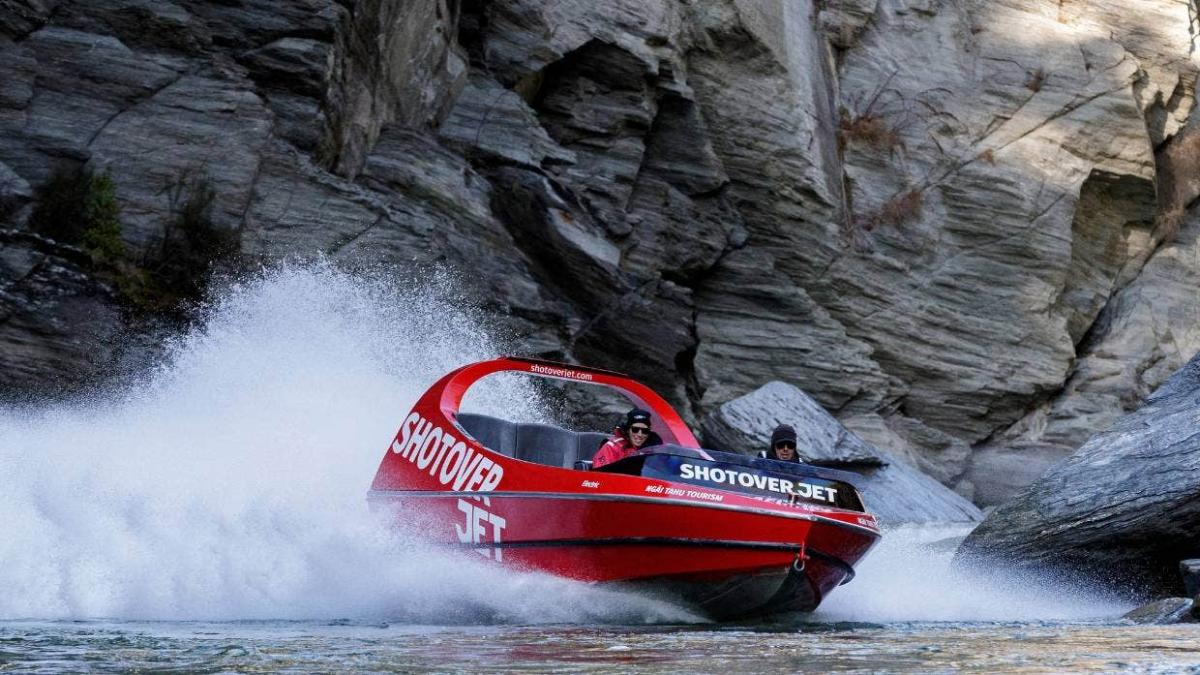
Shotover Jet has unveiled an electric jet boat it says is the first to be designed solely for tourism as owners Ngāi Tahu plans for a zero carbon future.
The iwi revealed its 88-point action plan to tackle the causes and effects of climate change and a host of other environmental issues at a ceremony in Queenstown on Wednesday.
Te Rūnanga o Ngāi Tahu Kaiwhakahaere Lisa Tumahai said the escalating effects of climate change across the Ngāi Tahu takiwā (tribal area) were having a profound impact on the iwi’s interests, activities and whānau.
“We need to rapidly evolve if we are to adapt and thrive in this brave new world.”
The iwi would take major steps to cut greenhouse gas emissions, embrace renewable energy, optimise resource use, and reduce water and ecosystem impacts over nine years.
One vital element was protecting whānau by powering marae with solar energy to make them more resilient and self-sufficient, as well as identifying jobs for Ngāi Tahu whānau in the green economy.
“We don’t claim to have all the answers, but our size and influence gives us the freedom to innovate.
“This jetboat prototype is an exciting expression of what that innovation can achieve,” Tumahai said.
Ngāi Tahu Tourism general manager Jolanda Cave said that once the jetboat prototype was put into service, the experience would be quieter and more environmentally sound, running on rechargeable electric batteries rather than fossil fuels.
The prototype project began in 2019 when Ngāi Tahu Tourism entered a co-founding agreement with the Energy Efficiency and Conservation Authority and was awarded up to $200,000 to convert one of their petrol-powered jet boats to run on electricity.
It would take several years to confirm the commercialisation of the electric prototype, Cave said.
The tourism arm of the company aimed to make all its operations carbon-neutral by 2050.
“We all have a role to play in ensuring our world is healthier for future generations and while there is a long road to travel, the electrification of our jet boat fleet is an incredible step,” Cave said.
Tumahai said that as mana whenua the iwi were putting into action the core principles of kaitiakitanga and rangatiratanga.
“We look after our whenua, we care for our whānau and we take ethical actions and decisions for the future of our mokopuna.”
Key targets:
- A 17% methane reduction from farm animals by 2035.
- By 2030, all marae and Papatipu Rūnanga facilities to be supported to upgrade to technologies that ensure long-term resilience in energy, water and resource optimisation.
- By 2030, agri-tech solutions to be in place in specific Ngāi Tahu Farming sites to reduce water use.
- From 2022, a year-on-year reduction in synthetic fertiliser with paddock by paddock soil testing.
- By 2030, Ngāi Tahu to be actively exercising rangatiratanga over freshwater.
- By 2030, all new developments to have ecosystem enhancement plans to protect wai and mahinga kai sites.
See all the targets here.

Poll: If we want to reduce speeding, what do you think actually changes driver behaviour? 🛻🚨🚓
In the Post's article on speeding penalties, the question is asked whether speeding fines are truly about road safety, or are they just a way to boost revenue for the Crown?
What do you think? Should speeding motorists receive speeding fines or demerit points?

-
37% The sting of a fine (Money talks!)
-
63% The threat of demerit points (Nobody wants to lose their license!)

Some Choice News!
DOC is rolling out a new tool to help figure out what to tackle first when it comes to protecting our threatened species and the things putting them at risk.
Why does this matter? As Nikki Macdonald from The Post points out, we’re a country with around 4,400 threatened species. With limited time and funding, conservation has always meant making tough calls about what gets attention first.
For the first time, DOC has put real numbers around what it would take to do everything needed to properly safeguard our unique natural environment. The new BioInvest tool shows the scale of the challenge: 310,177 actions across 28,007 sites.
Now that we can see the full picture, it brings the big question into focus: how much do we, as Kiwis, truly value protecting nature — and what are we prepared to invest to make it happen?
We hope this brings a smile!


Share your favourite main crop potato recipe and win a copy of our mag!
Love potatoes? We will give away free copies of the May 2026 issue to readers whose potato recipes are used in our magazine. To be in the running, make sure you email your family's favourite way to enjoy potatoes: mailbox@nzgardener.co.nz, by March 1, 2026.
 Loading…