






How to Clean Your Washing Machine
Dirt, mould, and other grimy residue can build up inside your washer over time. Learn how to clean a washing machine, including front-loading and top-loading machines, to get your laundry as clean as possible.
Your washing machine’s main job is to clean your clothes, but did you know you should clean your washing machine at least once a month? With just a few supplies you can easily clean your washing machine to keep it looking and smelling like new.
The dirt that disappears from your clothes, towels, and sheets has to go somewhere, which means grime can build up inside your washing machine over time. Without regular cleaning, the appliance might also harbour leftover detergent, hard-water deposits, and mould or mildew around the lid. This can leave a residue on laundry or cause items to emerge from the wash with a funky smell. To ensure your freshly washed clothes and linens are as clean as possible, follow these steps on how to clean a washing machine once a month. These instructions work for cleaning front-loading and top-loading washing machines, but there are a few special considerations for both types.
If your washing machine has a self-clean function, choose that cycle and follow the manufacturer's instructions to clean the inside of the machine. Otherwise, you can use this simple, three-step process to eliminate build-up in washing machine hoses and pipes and ensure your clothes stay fresh and clean.
Step 1: Run a Hot Cycle with Vinegar
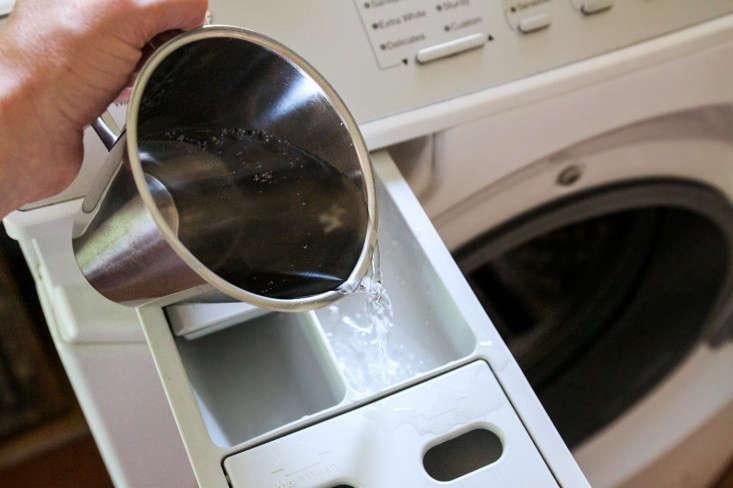
Run an empty, regular cycle on hot, using two cups of white vinegar instead of detergent. Add the vinegar to the detergent dispenser. (Don't worry about harming your machine, as white vinegar will not damage clothes.) The hot water-vinegar combo removes and prevents bacteria growth. Vinegar can also act as a deodorizer and cut through mildew odours.
Step 2: Scrub the Inside and Outside of the Washing Machine
In a bucket or nearby sink, mix about 1/4 cup vinegar with a quart of warm water. Use this mixture, plus a sponge and dedicated toothbrush, to clean the inside of the machine. Pay special attention to dispensers for fabric softener or soap, the inside of the door, and around the door opening. If your soap dispenser is removable, soak it in the vinegar water before scrubbing. Give the machine's exterior a wipe down, too.
Step 3: Run a Second Hot Cycle
Run one more empty, regular cycle on hot, without detergent or vinegar. If desired, add 1/2 cup baking soda to the drum to help clear away build-up loosened from the first cycle. After the cycle is complete, wipe out the inside of the drum with a microfiber cloth to remove any remaining residue.
Keep reading: www.curtainclean.co.nz...

Brain Teaser of the Day 🧠✨ Can You Solve It? 🤔💬
Make a hearty dish. Take just half a minute. Add four parts of kestrel. Then just add one. What have you made?
(Trev from Silverdale kindly provided this head-scratcher ... thanks, Trev!)
Do you think you know the answer? Simply 'Like' this post and we'll post the answer in the comments below at 2pm on the day!
Want to stop seeing these in your newsfeed? No worries! Simply head here and click once on the Following button.


Donations
Hi Neighbours,If your having a spring clean,i would be more than happy to take your stuff to pass on.I am also looking for clean jars if any one has any please.Not taking any Clothing till closer to opening.Thanku

Poll: Should the government levy industries that contribute to financial hardship?
As reported in the Post, there’s a $30 million funding gap in financial mentoring. This has led to services closing and mentors stepping in unpaid just to keep helping people in need 🪙💰🪙
One proposed solution? Small levies on industries that profit from financial hardship — like banks, casinos, and similar companies.
So we want to hear what you think:
Should the government ask these industries to contribute?

-
59.5% Yes, supporting people is important!
-
26.2% No, individuals should take responsibility
-
14.4% ... It is complicated
 Loading…