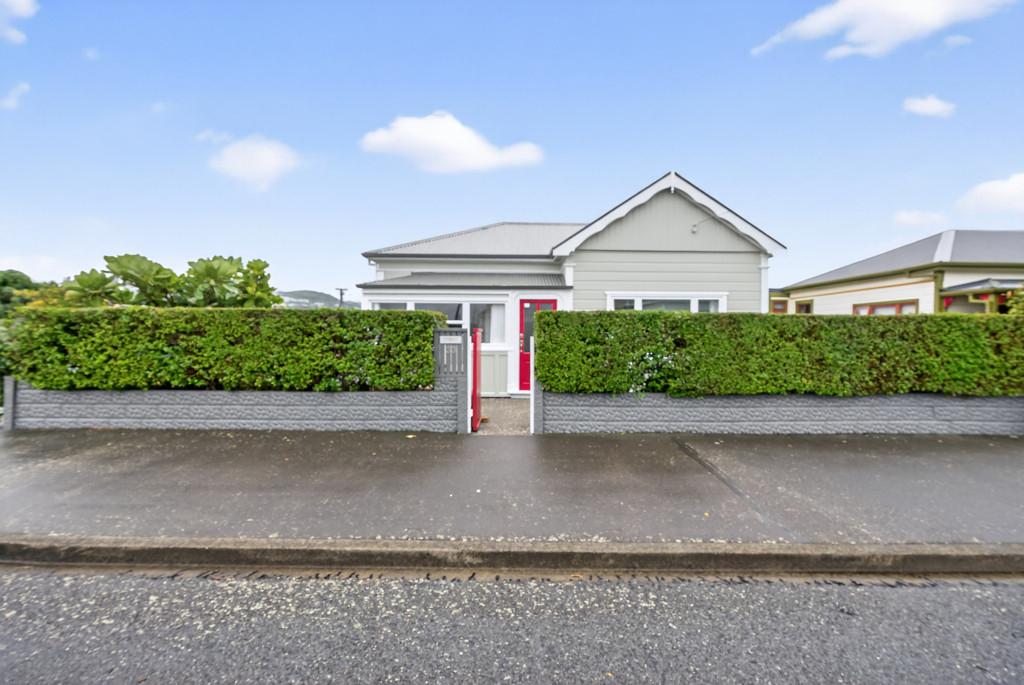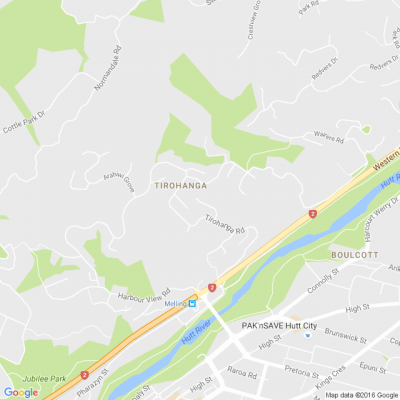
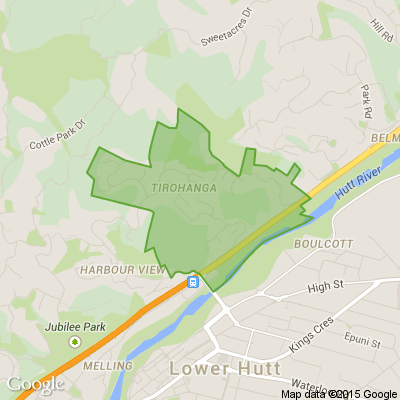






Draft District Plan could make your property unsellable
haveyoursay@huttcity.govt.nz
Are you aware that the draft district plan could make your property totally unsellable?
Are you aware that many properties on the hillside suburbs will be listed as hazard prone?
Do you care about native conservation? Or climate change? Or water conservation?
Do you plan, one day, to subdivide your property for retirement income?
The District Plan proposes rezoning hillside properties from medium density to Large Lot... “where there are constraints... such as steep slopes or a lack of infrastructure.”
Your property may not be steep but if surrounding areas are, this is considered hazardous, and will impact your property values and saleability.
Council has asked for feedback. Have Your Say now BEFORE 15 December 2023. To the above email.
We have had ours. See below. You may have similar or additional issues. Read the draft plan now. And act.
“Our property has neither steep slopes nor lacks infrastructure; nor threatens hazards to others; unlike some properties bordering us.
The entities (Hutt City Council and Wellington Regional Council) must accept the legal and financial implications of knowingly permitting by-law/regulation breaches by property developers thereon to remove top soil down to the water table and replace it with 15 feet of erosion prone, slip prone, uncompacted, unretained clay to build on.....
New by-law needed: where Council/Developer breaches cause hazards such as steep, unretained, or tree stripped properties, or infrastructure damage; causing them to slip down onto existing properties, or cause flooding; requiring clearing and restoration, that neglect and/or breach of regulations should be remedied at the expense of developers/owners; if not the Councils.
Some years ago we were told the Council was retaining a native bush clad, steep, block of Council land on our western boundary to:
a) create a future water reservoir
b) include in native bush/bird and fauna 'restoration corridors' linked throughout the district; which delighted us.
Within a few years we discovered that block of land had been sold to a developer without public notification of any kind. So much for the birds etc. Have these "restoration/regenerative corridors' been removed from district plans. If so why? Short-sighted not only from a native conservation perspective but also in enhancing carbon sequestration for climate change. They should be restored.
Given the catastrophic state of Wellington's 40% water loss, decisions not to build reservoirs seems not only short sighted but unconscionable. These should be added to the District Plan.

Poll: Are you still heading to your local for your caffeine fix, or has the $$ changed your habits? ☕
Wellington’s identity is built on its cafe culture, but with costs climbing, that culture is under pressure. We’ve seen the headlines about recent closures, and it’s a tough pill to swallow along with a $6+ coffee.
We all want our favourite spots to stay open, but we also have to balance our own budgets ⚖️
We want to know: How are you handling the "coffee math" in 2026? Are you still heading to your local for a chat and a caffeine fix, or has the cost of living changed your habits?
Keen to read more about "coffee math"? The Post has you covered.

-
56.5% I avoid spending money on coffee
-
34.8% I still indulge at my local cafe
-
8.7% Irrelevant - coffee is not for me

🧩😏 Riddle me this, Neighbours…
I am an odd number. Take away a letter and I become even. What number am I?
Do you think you know the answer?
Want to stop seeing these in your newsfeed? No worries! Simply head here and click once on the Following button.


Some Choice News!
DOC is rolling out a new tool to help figure out what to tackle first when it comes to protecting our threatened species and the things putting them at risk.
Why does this matter? As Nikki Macdonald from The Post points out, we’re a country with around 4,400 threatened species. With limited time and funding, conservation has always meant making tough calls about what gets attention first.
For the first time, DOC has put real numbers around what it would take to do everything needed to properly safeguard our unique natural environment. The new BioInvest tool shows the scale of the challenge: 310,177 actions across 28,007 sites.
Now that we can see the full picture, it brings the big question into focus: how much do we, as Kiwis, truly value protecting nature — and what are we prepared to invest to make it happen?
We hope this brings a smile!

 Loading…