






Plumbosolvency
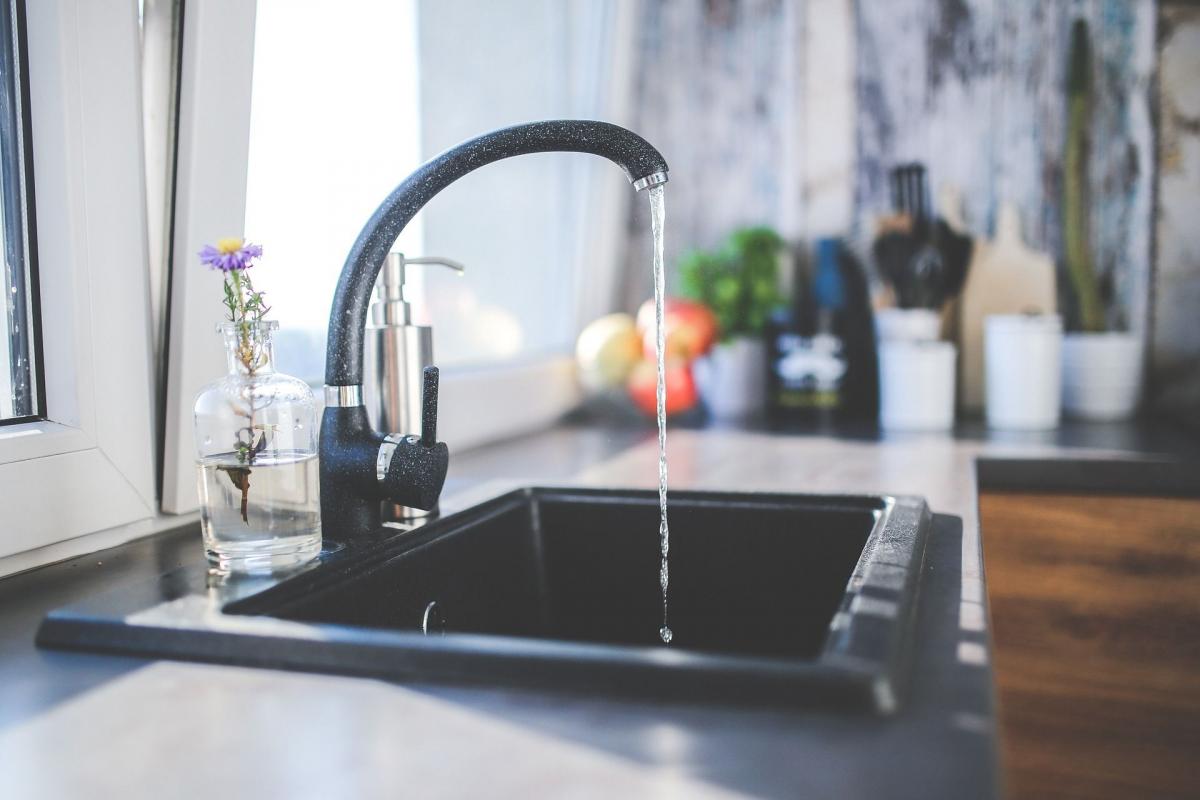
Did you know the Ministry of Health Drinking Water Standards recommend that you flush a mugful of water from your drinking-water tap each morning before use?
This is because all waters are plumbosolvent, which means they can dissolve very small amounts of metals if they come into contact with them.
Upper Hutt, Lower Hutt, Porirua and Wellington drinking water is described as ‘soft’ water, because there is less calcium and magnesium content. Soft water is slightly more acidic than hard water, and as a result it dissolves metals more easily/quickly.
In New Zealand, the plumbing materials/fittings (i.e. your taps) which come in to contact with water are usually the source of heavy metals, such as lead, nickel, cadmium, copper and antimony.
When you turn a fitting off there may be a small amount of water left sitting in it. Whilst our treatment processes adjust the pH to reduce the water’s aggressiveness on pipework, there is the potential that water sitting in a plumbing fitting, if unused for several hours, may accumulate minute traces of metals.
Although the health risk is small, the Ministry of Health drinking water standards recommend that you flush a mugful of water from your drinking-water tap each morning before use. This should remove any water that was left in your fittings, and metals that may have dissolved from the plumbing fittings.
All households are advised to take this precaution, whether they are on public or private water supply.
For further information you can contact the Drinking Water Assessment Unit of the Wellington Regional Public Health Service, phone 04 570 9002.

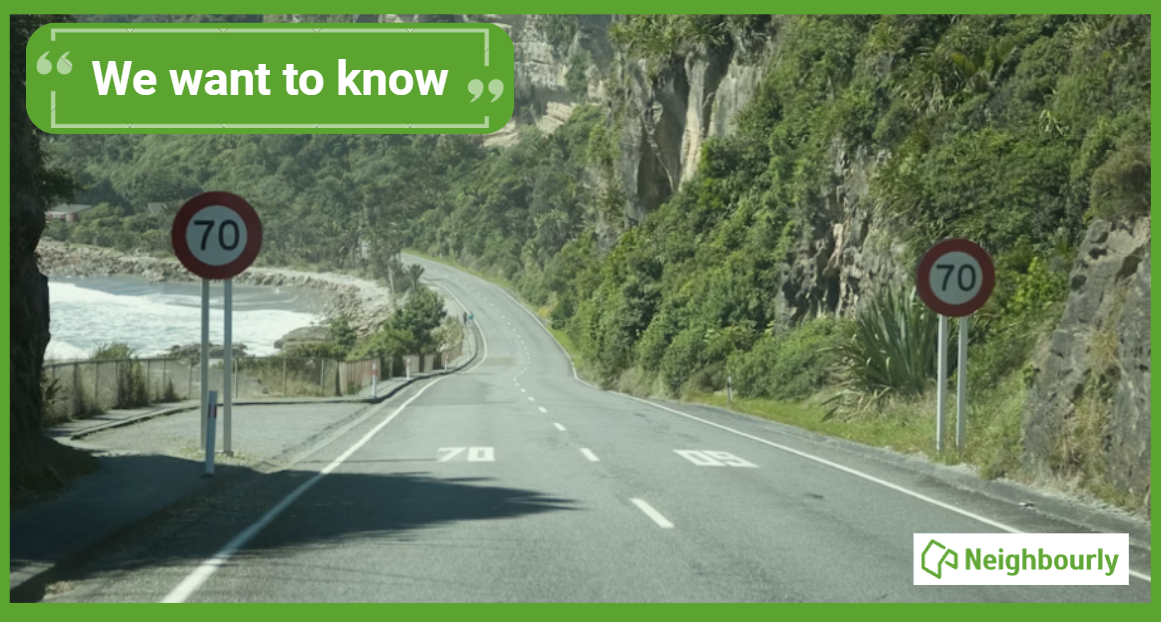
Poll: If we want to reduce speeding, what do you think actually changes driver behaviour? 🛻🚨🚓
In the Post's article on speeding penalties, the question is asked whether speeding fines are truly about road safety, or are they just a way to boost revenue for the Crown?
What do you think? Should speeding motorists receive speeding fines or demerit points?
-
0% The sting of a fine (Money talks!)
-
0% The threat of demerit points (Nobody wants to lose their license!)

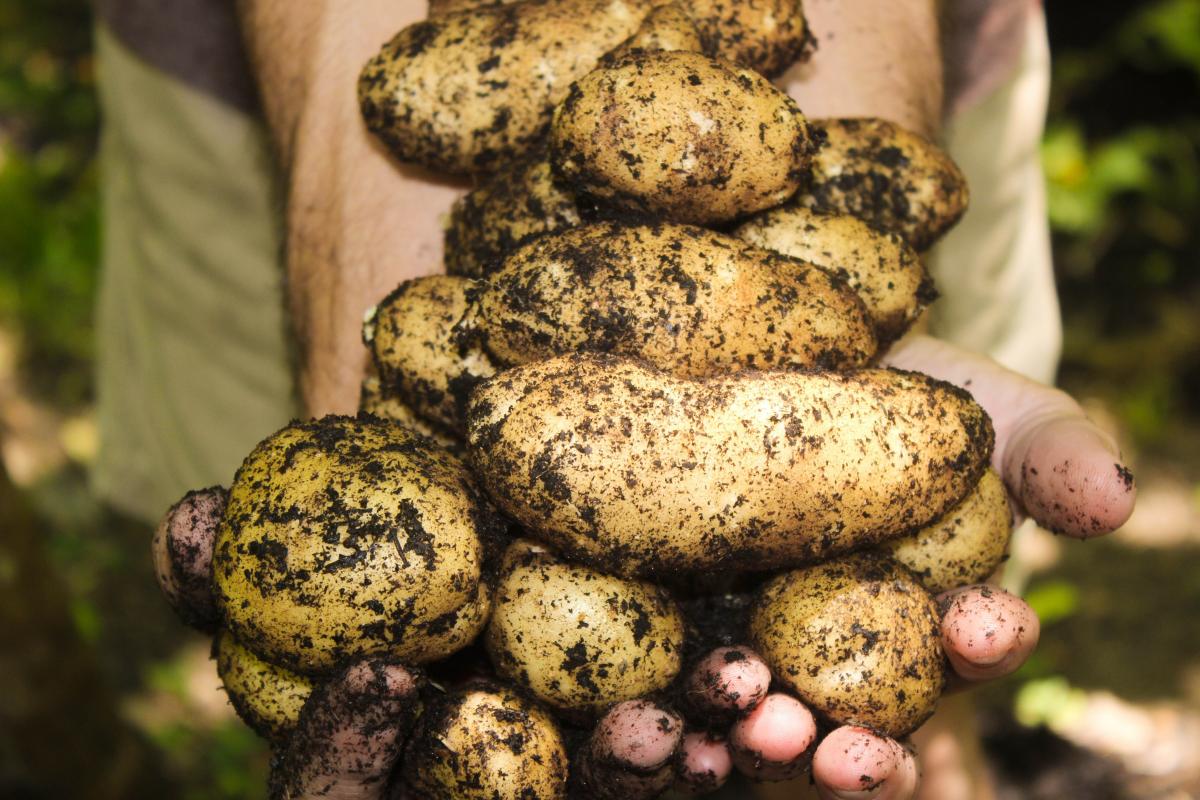
Share your favourite main crop potato recipe and win a copy of our mag!
Love potatoes? We will give away free copies of the May 2026 issue to readers whose potato recipes are used in our magazine. To be in the running, make sure you email your family's favourite way to enjoy potatoes: mailbox@nzgardener.co.nz, by March 1, 2026.
Scam Alert: Bank cold calls
ASB is warning customers about reports of cold calls from scammers claiming to be from ASB. These scammers are trying to obtain personal information, including usernames, dates of birth, and verification codes sent to your mobile phone.
🛡️ The "Caller Check" Test
If you get a call from someone claiming to be from ASB and you’re unsure, just ask them for a Caller Check. You will then be able to verify the call through the app.
Remember, banks will:
❌ Never ask for your banking passwords, PINs, or verification codes
❌ Never need to know your full credit card number – especially the CVC
❌ Never ask you to download software or remotely access your device
❌ Never ask you to purchase gift cards or transfer funds.
If you have received a phone call and think your account has been compromised, call ASB on 0800 ASB FRAUD (0800 272 372), or visit your local branch.
 Loading…