






Monday Sport Blast From The Past
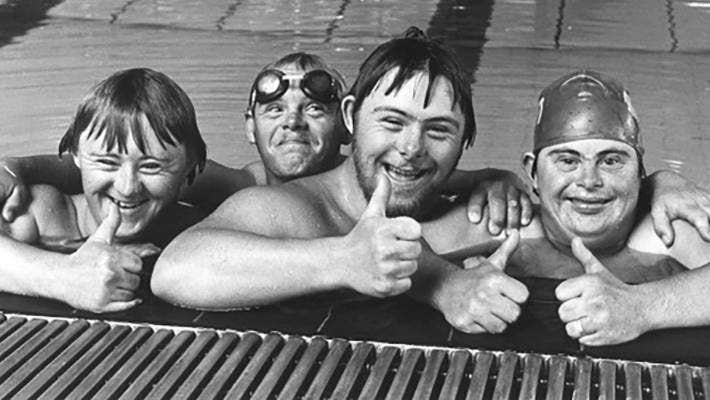
Gordon Llewellyn is a name you have probably never heard off but he played a pivotal role in the birth of the Special Olympics movement in New Zealand.
In 1983, he and three other Hutt athletes – Colin Bailey, Peter Spijkerman and Brent Busby – made history when they attended the Summer Special Olympics in Baton Rouge, Louisiana.
The trip was organised by Grant Quinn, who later said Gordon Llewellyn proved the perfect poster boy for the Special Olympics movement in New Zealand.
Llewellyn was a larger than life character with a bold personality and a fascination with the TV character Magnum PI.
Years later Quinn recalled the flight over and an announcement that came over the intercom.
"This is your captain speaking … I have a very special passenger with me in the cockpit. His name is Gordon Llewellyn from New Zealand."
Llewellyn quickly took over the microphone and proceeded to entertain the whole plane.
"Next minute Gordon was asking, or should I say demanding, that everybody on board give the team a rousing three cheers to wish the team a successful time in Baton Rouge," recalled Quinn.
The team performed well at the Olympics and athletes returned home heroes, proudly wearing their medals for weeks to make sure nobody missed their success.
Llewellyn died in August 2014 and Quinn gave the eulogy. He told mourners that Llewellyn and the other three Hutt swimmers had changed the public's perception of the intellectually disabled.
They had helped win mainstream acceptance and played a key role in promoting an organisation that now had more than 7000 active members.

Ryman Village Open Days
Friday 20 & Saturday 21 March, 10am - 2pm.
Come and experience the warmth of our Ryman village communities, we'd love to show you around.
Discover our lifestyle and care options, tour our show homes and explore our premium amenities.


🪱🐦 When are you the most productive? 🌙🦉
The Post has been diving into our daily habits, and research suggests being an early bird or a night owl isn’t just a choice—it’s biology! We all have that specific time when our brains finally "click" into gear.
This raises a big question for the modern workplace. To get the best out of everyone, should employers accommodate our natural body clocks? This idea is at the heart of the four-day work week and flexible scheduling movements.
We want to hear from you:
1. When does your brain "click" into gear?
2. Would a flexible (or shortened) schedule change the way you work?

Linen
Hello neighbours,Does any one have any linen,towels or blankets you want to pass on.Would so appreciate them.Thanku
 Loading…