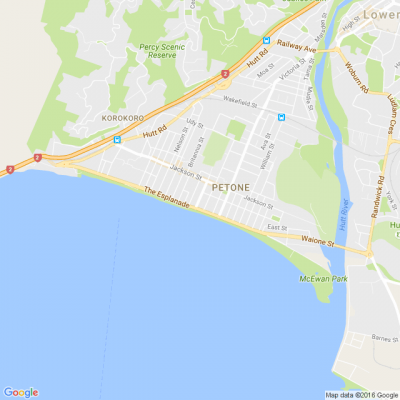
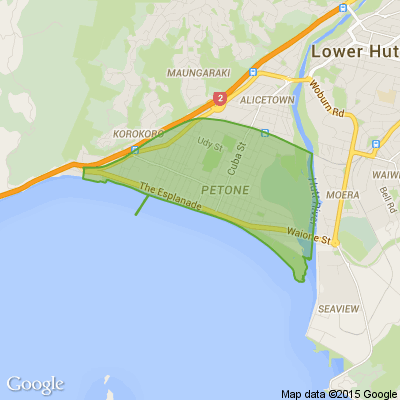







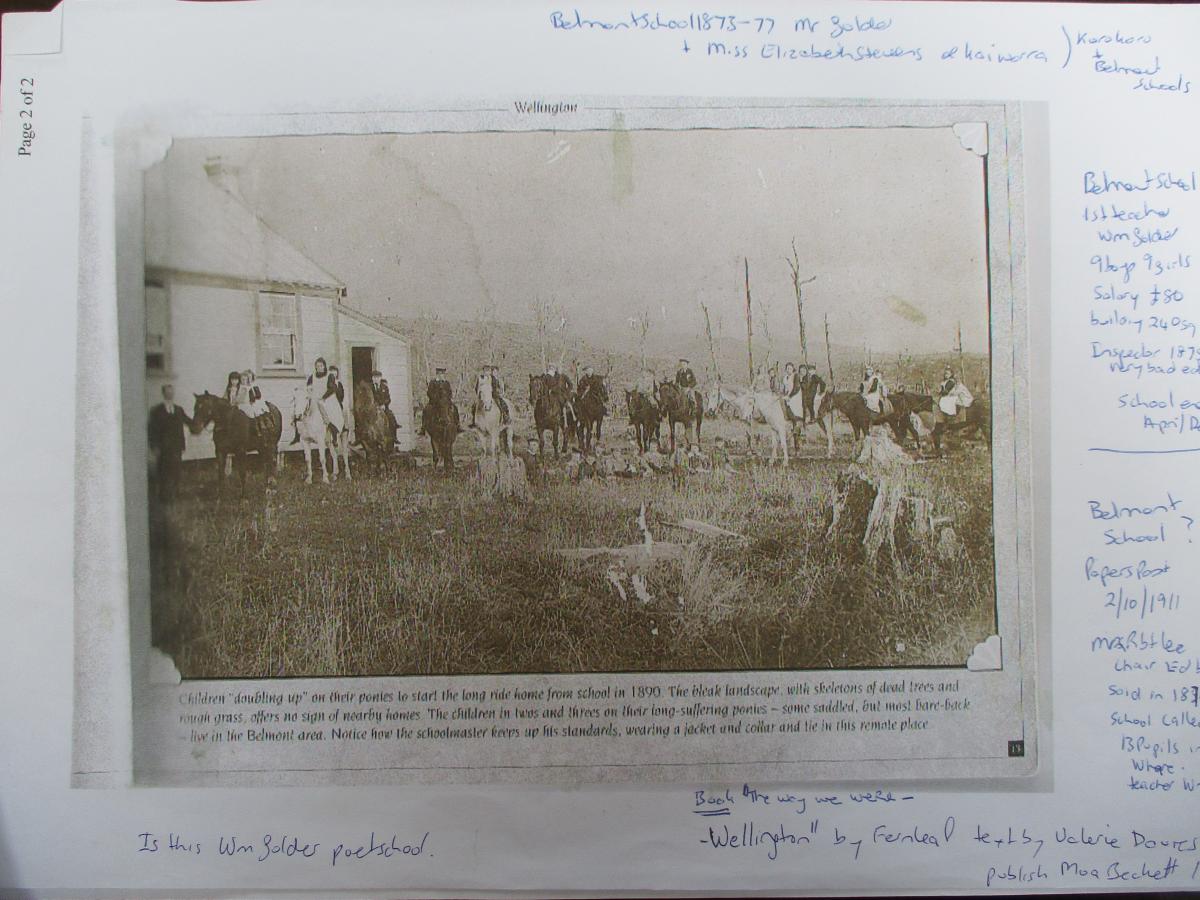
Belmont School Lower Hutt c 1870-90s.
Photo in book 'The Way we Were, Wellington', by Fernleaf, text by Valerie Davies, published by Moa Beckett 1994.
Viewed at Petone Library.
Writing :- Children doubling up on their ponies to start the long ride home from school c 1890?? The bleak landscape with skeletons of dead trees and rough grass offers no sign of nearby houses.The children live in Belmont area. Notice how the schoolmaster keeps up his standards wearing jacket and tie in this remote place.

Scam Alert: Fake information regarding December Bonuses from MSD
The Ministry of Social Development is reporting that fake information is circulating about new ‘December bonuses’ or ‘benefit increases’
If you get suspicious communication, please contact Netsafe.

Poll: Do you set New Year’s resolutions?
🎉 2026 is almost here!
We’re curious ... how do you welcome it?
Do you set resolutions, follow special traditions, or just go with the flow?

-
10.2% Yes! New Year, New Me
-
20% Yes - but I rarely stick to them
-
69.8% Nah - not for me

Today’s Mind-Bender is the Last of the Year! Can You Guess It Before Everyone Else? 🌟🎁🌲
I dance in the sky with green and gold, a spectacle few are lucky to behold; I’m best seen in the south, a celestial sight—what am I, lighting up the New Zealand night?
Do you think you know the answer? Simply 'Like' this post and we'll post the answer in the comments below at 2pm on the day!
Want to stop seeing these in your newsfeed? No worries! Simply head here and click once on the Following button.

 Loading…