






Bold plan to boost Māori economic prosperity
A regional strategy designed to boost Māori prosperity has been launched by the regional council..
The strategy focuses on five primary areas, each supported by an integrated range of actions to deliver economic, cultural, environmental, social and leadership outcomes for Māori over the next 10 years.
Coordination of the project was led by Te Puritanga Jefferies, Senior Māori Economic Development Advisor within Te Pane Matua Taio (Greater Wellington), and supported by contractors from Orauariki, Wellington School of Business and Government.
The strategy is a first for Wellington and a key objective is to increase the number of Māori in Wellington’s professional workforce.
The strategy is called Te Matarau a Māui: Collaborative Pathways to Prosperous Māori Futures..


Got more greens than you know what to do with? 🥦🌱🥕
Whether it’s a courgette takeover or a feijoa frenzy, don’t let those garden gems go to waste!
Our suggestion to you: Did you know you can grate and freeze excess courgettes to use in chocolate cake later? It sounds a bit dodgy, but it makes the cake incredibly moist ... and hey, it counts as a serving of veg, right? 🍫
What’s your go-to move for a bumper harvest? Drop your best "glut" recipes or preservation hacks in the comments below! 👇


🌉🛶 Early Birds Might Crack This One First… or Not? 🥚🧠
A person is crossing a bridge and sees a boat full of people, yet there isn't a single person on board.
How is this possible?
(Susan from Massey kindly provided this head-scratcher ... thanks, Susan!)
Do you think you know the answer? Simply 'Like' this post if you know the answer and the big reveal will be posted in the comments at 2pm on the day!
Want to stop seeing these in your newsfeed?
Head here and hover on the Following button on the top right of the page (and it will show Unfollow) and then click it. If it is giving you the option to Follow, then you've successfully unfollowed the Riddles page.
🪱🐦 When are you the most productive? 🌙🦉
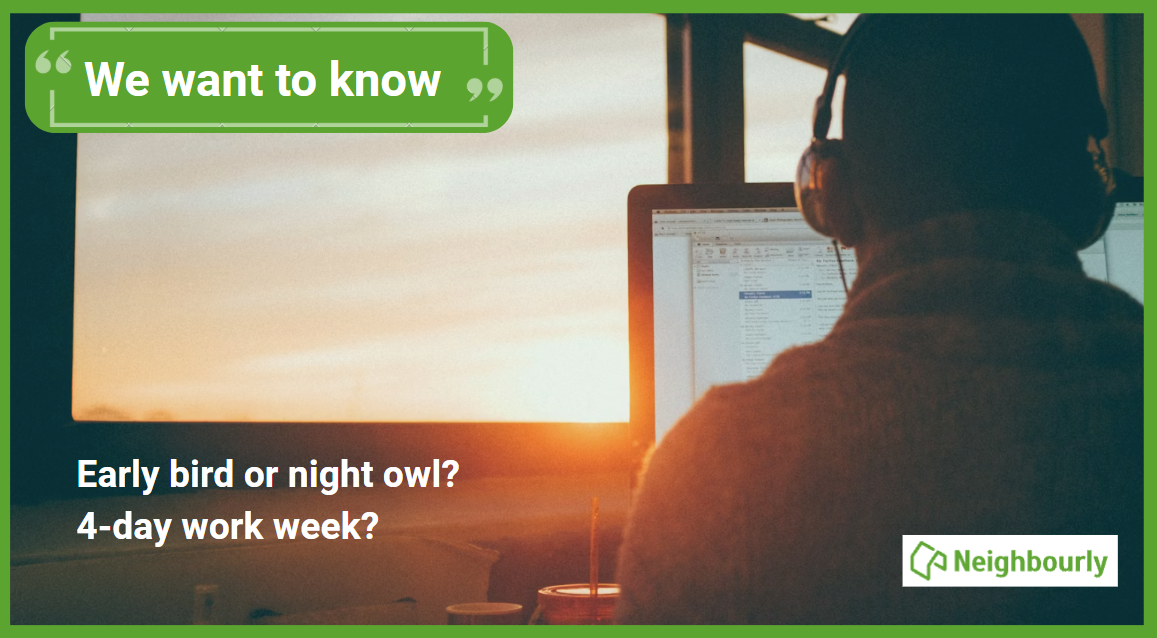
The Post has been diving into our daily habits, and research suggests being an early bird or a night owl isn’t just a choice—it’s biology! We all have that specific time when our brains finally "click" into gear.
This raises a big question for the modern workplace. To get the best out of everyone, should employers accommodate our natural body clocks? This idea is at the heart of the four-day work week and flexible scheduling movements.
We want to hear from you:
1. When does your brain "click" into gear?
2. Would a flexible (or shortened) schedule change the way you work?
 Loading…