






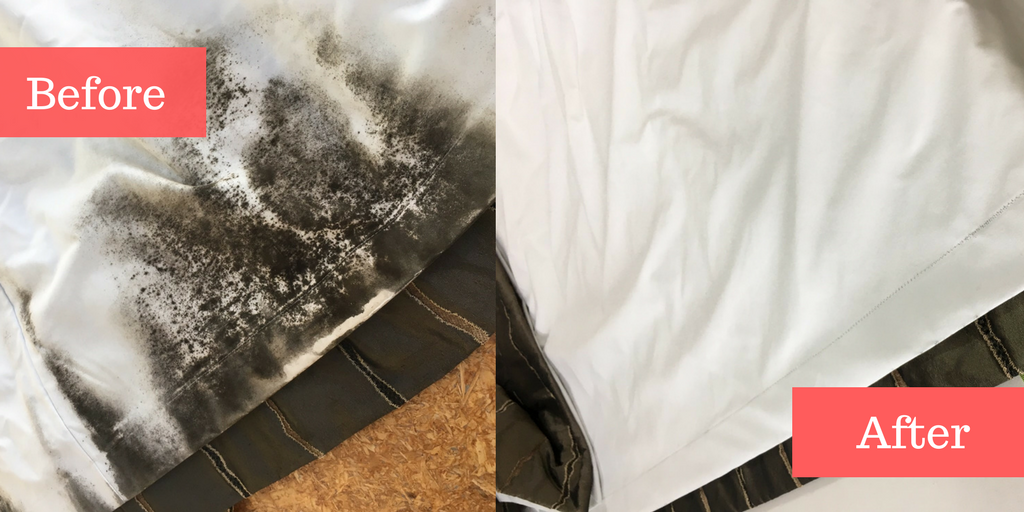
Maintaining your Curtains after Cleaning
Keep your newly revived curtains looking fresher for as long as possible with our tips!
Minimise the food sources that encourage mould growth
• Clean soft furnishings regularly according to the manufacturer's instructions. This usually involves a regular light vacuum, with less frequent dry cleaning or laundering.
• Regularly clean windows and wipe down window surrounds and venetian blinds or shutters with a mild detergent in warm water.
• Consider selecting window coverings manufactured from man-made materials, particularly in damp areas such as the bathroom, kitchen and on south facing windows.
Minimise moisture in your home
• Use lids on pots and pans when cooking.
• Never hang clothes to dry inside and vent your clothes drier to the outside.
• Keep your roof, cladding and guttering in good repair.
• Check that stormwater is being discharged to an appropriate outlet.
• Check plumbing for leaks.
• Replace any unflued gas heaters with flued gas or electric heaters.
• Avoid bringing wet clothes or shoes into your home.
Ventilate your home to reduce moisture build-up in the air
• Open north facing doors and windows when you are home during the day, even during the colder months.
• Use exhaust fans in areas where water vapour is created (e.g. the kitchen and bathroom).
• If all else fails, consider a heat recovery ventilation system to replace stale damp air with fresh air.
Maintain an even inside temperature throughout your home to prevent moist air from condensing onto cold areas like windows
• Insulate ceilings, floors and, where possible, walls.
• Improve the insulative properties of your windows by closing your curtains/blinds as soon as the sun goes down each day.
• Replace any thin or unlined window coverings with quality thermal or lined curtains or roman blinds.
• Fit your curtains or blinds as close to the wall as possible to trap air against the window and take your curtains all the way to the floor to prevent air circulating out from under the curtain
• If you are planning any home renovations, consider upgrading joinery to double glazing or installing a retrofitted secondary glazing.

Some Choice News!
DOC is rolling out a new tool to help figure out what to tackle first when it comes to protecting our threatened species and the things putting them at risk.
Why does this matter? As Nikki Macdonald from The Post points out, we’re a country with around 4,400 threatened species. With limited time and funding, conservation has always meant making tough calls about what gets attention first.
For the first time, DOC has put real numbers around what it would take to do everything needed to properly safeguard our unique natural environment. The new BioInvest tool shows the scale of the challenge: 310,177 actions across 28,007 sites.
Now that we can see the full picture, it brings the big question into focus: how much do we, as Kiwis, truly value protecting nature — and what are we prepared to invest to make it happen?
We hope this brings a smile!


Poll: Are you still heading to your local for your caffeine fix, or has the $$ changed your habits? ☕
Wellington’s identity is built on its cafe culture, but with costs climbing, that culture is under pressure. We’ve seen the headlines about recent closures, and it’s a tough pill to swallow along with a $6+ coffee.
We all want our favourite spots to stay open, but we also have to balance our own budgets ⚖️
We want to know: How are you handling the "coffee math" in 2026? Are you still heading to your local for a chat and a caffeine fix, or has the cost of living changed your habits?
Keen to read more about "coffee math"? The Post has you covered.

-
35.8% I avoid spending money on coffee
-
54.3% I still indulge at my local cafe
-
9.9% Irrelevant - coffee is not for me

🧩😏 Riddle me this, Neighbours…
I am an odd number. Take away a letter and I become even. What number am I?
Do you think you know the answer?
Want to stop seeing these in your newsfeed? No worries! Simply head here and click once on the Following button.

 Loading…