




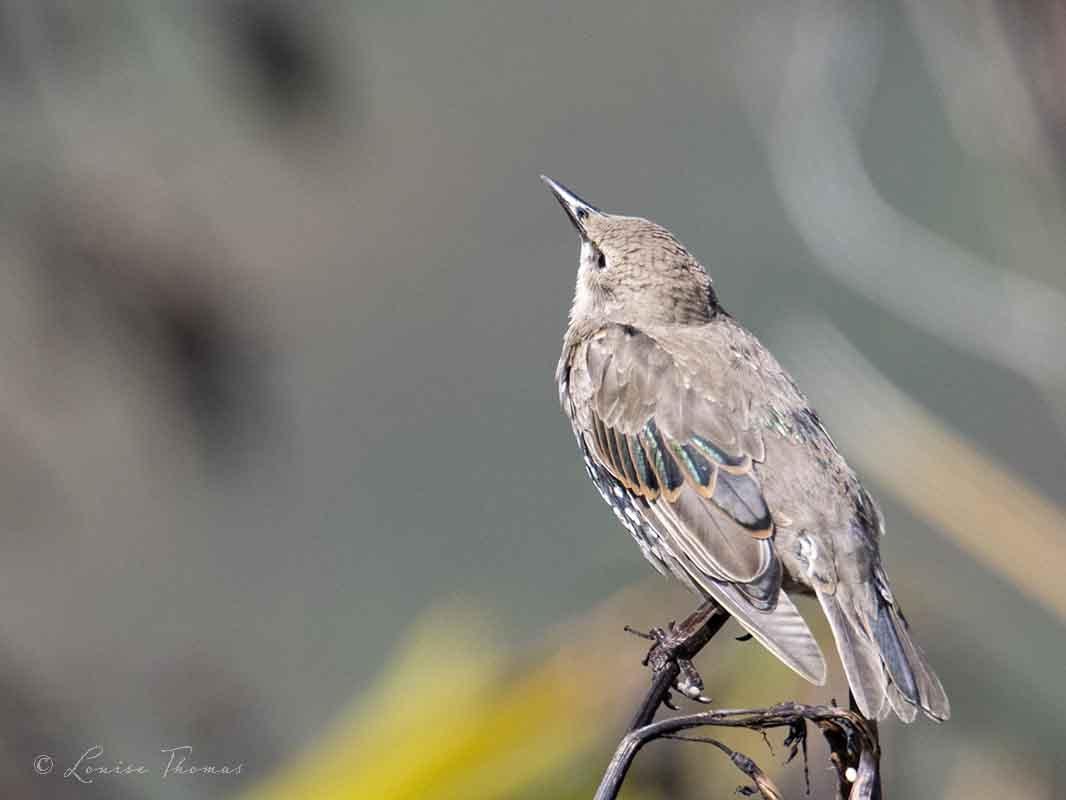
Starlings - a variety of plumage as they mature
The variety of plumage at the moment on young birds as they transition into their adult feathers is amazing. I think a few years ago I would have thought of common starlings (Sturnus vulgaris) as a dozen different species if I thought of them at all. Many of the new generation still have their brown heads, but are developing their star-spangled chest feathers. Mature feathers coming in on their backs are beautiful, with pale brown borders and the middles an iridescent green in the sunlight. Nature is an artist. Notes: "Common" means they occur in other countries (...common to). Very different species of birds don't interbreed (while there is some hybrids among ducks, gulls, geese, and pheasants, it is not that common in the wild outside of closely related species), while mynas are in the same family (Sturnidae), they are a different species and don't breed with starlings. There are no official reports of mynas in Lower Hutt, they are not known to occur this far South, so if you do see one, make sure you get a photo and send it to me or log it on iNaturalist. While there are several species of starling around the world and 12 subspecies, we only have the subspecies vulgaris in New Zealand.

🧩😏 Riddle me this, Neighbours…
I am an odd number. Take away a letter and I become even. What number am I?
Do you think you know the answer?
Want to stop seeing these in your newsfeed? No worries! Simply head here and click once on the Following button.

Scam Alert: Bank cold calls
ASB is warning customers about reports of cold calls from scammers claiming to be from ASB. These scammers are trying to obtain personal information, including usernames, dates of birth, and verification codes sent to your mobile phone.
🛡️ The "Caller Check" Test
If you get a call from someone claiming to be from ASB and you’re unsure, just ask them for a Caller Check. You will then be able to verify the call through the app.
Remember, banks will:
❌ Never ask for your banking passwords, PINs, or verification codes
❌ Never need to know your full credit card number – especially the CVC
❌ Never ask you to download software or remotely access your device
❌ Never ask you to purchase gift cards or transfer funds.
If you have received a phone call and think your account has been compromised, call ASB on 0800 ASB FRAUD (0800 272 372), or visit your local branch.

Offers, Events & Inspiration
Ready to explore the world with ease?
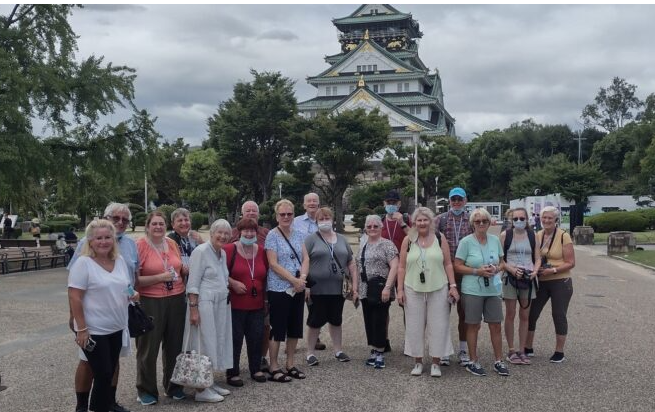
Wendy Wu Tours specialises in fully guided holidays across Asia and beyond, taking care of flights, accommodation, touring and expert local guides so you can simply relax and enjoy the journey. From Japan’s cherry blossoms and China’s Great Wall to the vibrant cultures of Vietnam and India, every itinerary is designed to immerse you in authentic experiences.
Departing from New Zealand, you’ll travel with like-minded adventurers and enjoy seamless, stress-free travel. If you’ve been dreaming about your next big trip, now’s the perfect time to make it happen.
 Loading…