





Mt Albert Tunnel Entry
The final stage of the repair to the Mt Albert tunnel and sludge lines involves repairing the floor of the tunnel. As part of this, on Thursday night a crew will be entering the tunnel to perform a visual inspection.
As the tunnel is an active wastewater pipe, we’ll hold wastewater flows at the pump station while the inspection is carried out. We’re scheduling the entry at night when wastewater flows are at a minimum, thereby maximising the amount of time our crews can spend in the tunnel. The plan is for the crew to spend 40 minutes in the tunnel, while based on normal operations we have capacity at the pump station to hold the wastewater flows for up to an hour. In the very unlikely event that the crew has to spend more than an hour in the tunnel, some screened wastewater may need to be discharged from the pump station into the Cook Strait. All possible steps will be taken to prevent this, however it is important to note that this inbound wastewater is made up of 99% water, and is therefore very different to the dewatered sludge that was transported during the earlier stage of repairs. Generators onsite may create some noise, however there will be no construction undertaken during this entry. We will monitor odour and use misters if necessary.

Poll: If we want to reduce speeding, what do you think actually changes driver behaviour? 🛻🚨🚓
In the Post's article on speeding penalties, the question is asked whether speeding fines are truly about road safety, or are they just a way to boost revenue for the Crown?
What do you think? Should speeding motorists receive speeding fines or demerit points?

-
35.5% The sting of a fine (Money talks!)
-
64.5% The threat of demerit points (Nobody wants to lose their license!)

Some Choice News!
DOC is rolling out a new tool to help figure out what to tackle first when it comes to protecting our threatened species and the things putting them at risk.
Why does this matter? As Nikki Macdonald from The Post points out, we’re a country with around 4,400 threatened species. With limited time and funding, conservation has always meant making tough calls about what gets attention first.
For the first time, DOC has put real numbers around what it would take to do everything needed to properly safeguard our unique natural environment. The new BioInvest tool shows the scale of the challenge: 310,177 actions across 28,007 sites.
Now that we can see the full picture, it brings the big question into focus: how much do we, as Kiwis, truly value protecting nature — and what are we prepared to invest to make it happen?
We hope this brings a smile!


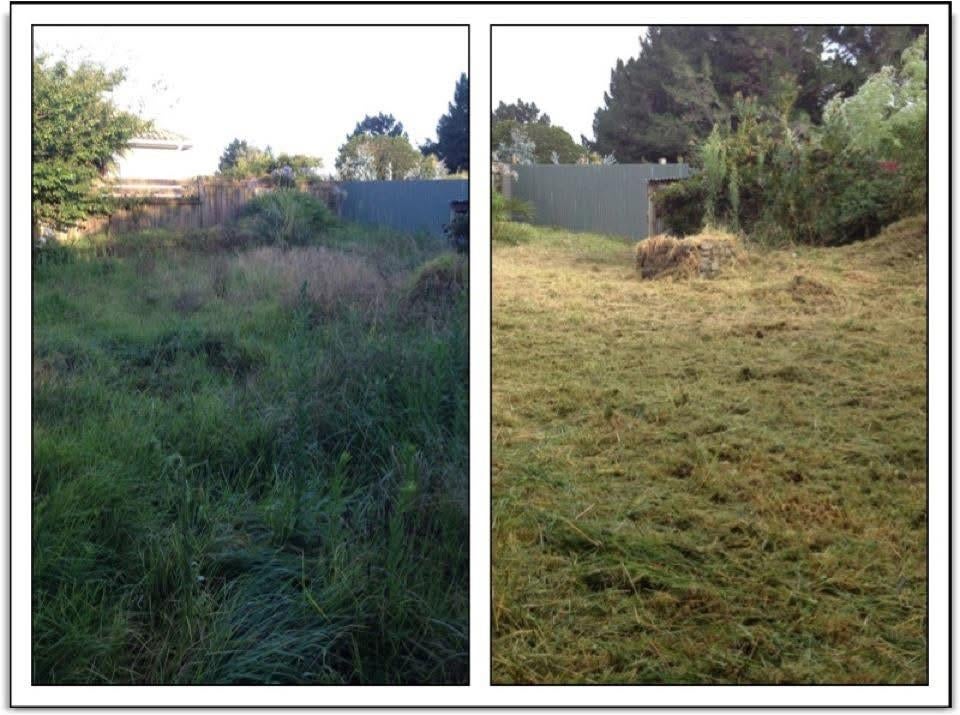
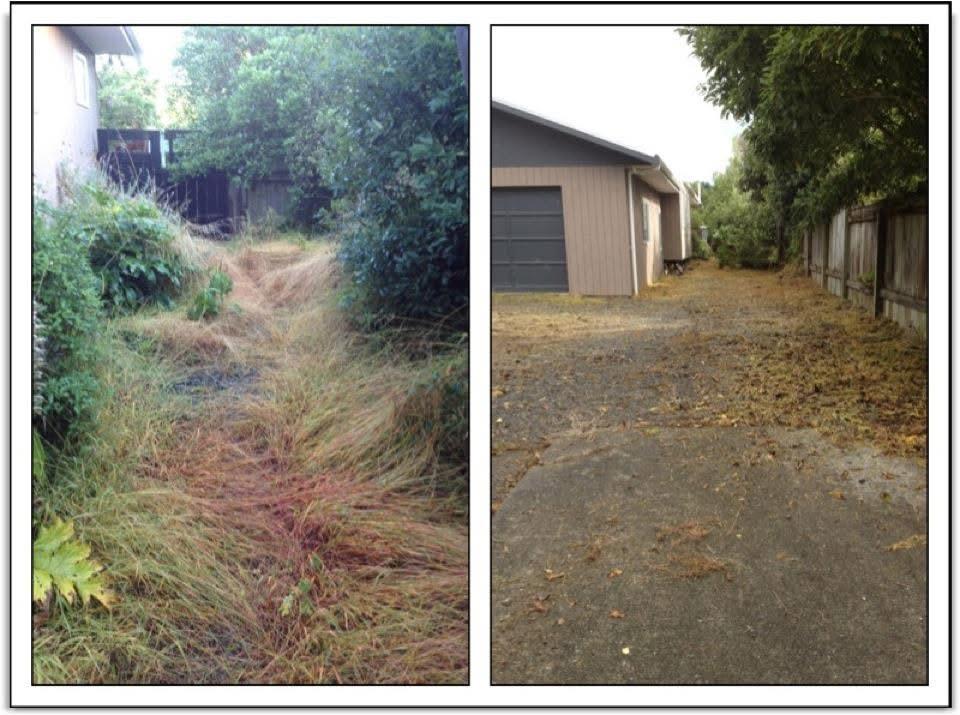
Gardening and section clearing
Do you loath gardening ? We can assist- no job too big or small
Message us call us today for a free quote
0272430951
Natures choice
 Loading…