





The Green Side of Wool
We have a soft spot for sheep. For many, sheep are symbolic to New Zealand culture with the rearing of sheep being the backbone to the economy for many years.
Sheep farming was established in New Zealand by the 1850s and has played an important role in the economy ever since. For several decades wool accounted for more than a third of New Zealand’s exports by value with the sheep population peaking at just over 70 million in 1982.
This number is significant when comparing it to New Zealand’s human population. By 2020, sheep numbers dropped to 26 million, following a decline in profitability compared to other types of farming, particularly dairying.
While also farmed for their meat, today’s article focuses on sheep wool and its environmental attributes.
Wool is a natural and renewable resource and as long as our beloved sheep are eating the tasty green pastures from New Zealand farms they will always produce wool. Wool has amazing properties that make it ideal for many applications from home textiles through to incontinence underwear.
At this point in time, cotton and synthetic fibres are the most commonly used and produced fibres globally, however their performance does not come close to wool, in particular the environmental benefits.
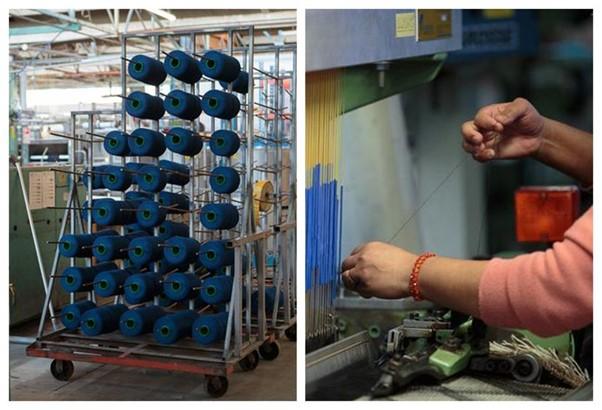
From wool to yarn: The wool clip (total yield of wool shorn during one season from the sheep) is sent to the scourers where the wool is cleaned and dried, and from there to a woollen spinner where the fibre is spun into yarn. The yarn is then sent on to the manufacturer of textile products where many different processes are involved.
The yarn is wound onto dye cones and dyed to the required colours. Next the yarn is warped onto beams. These warp beams are then threaded through the looms so that the weft yarn can run across the warp to create a woven fabric.
The fabric is then inspected and then washed and dried. Very few chemicals are used in the processing, typically only water and heat.
Keep reading: www.curtainclean.co.nz...

Poll: Are you still heading to your local for your caffeine fix, or has the $$ changed your habits? ☕
Wellington’s identity is built on its cafe culture, but with costs climbing, that culture is under pressure. We’ve seen the headlines about recent closures, and it’s a tough pill to swallow along with a $6+ coffee.
We all want our favourite spots to stay open, but we also have to balance our own budgets ⚖️
We want to know: How are you handling the "coffee math" in 2026? Are you still heading to your local for a chat and a caffeine fix, or has the cost of living changed your habits?
Keen to read more about "coffee math"? The Post has you covered.

-
56.5% I avoid spending money on coffee
-
34.8% I still indulge at my local cafe
-
8.7% Irrelevant - coffee is not for me

🧩😏 Riddle me this, Neighbours…
I am an odd number. Take away a letter and I become even. What number am I?
Do you think you know the answer?
Want to stop seeing these in your newsfeed? No worries! Simply head here and click once on the Following button.


Some Choice News!
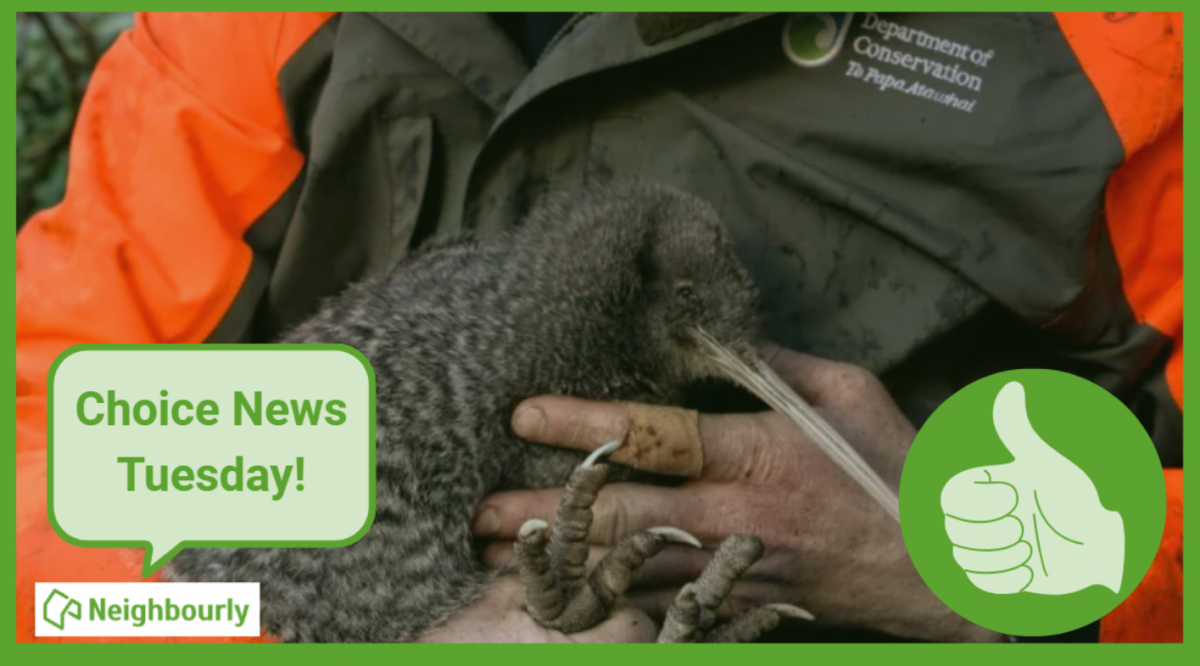
DOC is rolling out a new tool to help figure out what to tackle first when it comes to protecting our threatened species and the things putting them at risk.
Why does this matter? As Nikki Macdonald from The Post points out, we’re a country with around 4,400 threatened species. With limited time and funding, conservation has always meant making tough calls about what gets attention first.
For the first time, DOC has put real numbers around what it would take to do everything needed to properly safeguard our unique natural environment. The new BioInvest tool shows the scale of the challenge: 310,177 actions across 28,007 sites.
Now that we can see the full picture, it brings the big question into focus: how much do we, as Kiwis, truly value protecting nature — and what are we prepared to invest to make it happen?
We hope this brings a smile!
 Loading…