





Eco-Bricks
What is an Eco-brick?
An eco-brick is a plastic bottle packed with shredded, single-use, non-recyclable plastics, compressed to a required density to create a reusable building block. They are a sustainable way to reusenon-biodegradable plastic waste as they are regarded as a long-lasting and durable material.
Eco-bricks = a low energy solution to keeping plastic out of the ecosystem!
What is the purpose of an eco-brick?
Making an eco-brick can be a tedious and time-consuming project (but great to do whilst watching TV!) and the purpose of it is to make you responsible for your own plastic waste and encourage you to reduce your own consumption.
The aim is to help you cut down on what you’re buying and ultimately produce less waste whilst creating something beneficial for yourself or the community!
What goes into the eco-brick?
The most important thing about an eco-brick is that the contents are CLEAN and DRY before they get stuffed. The reason for this is to prevent any bacteria or mould forming inside, which will undo all your hard work as they will not be validated!
You can put inside an eco-brick:
Potato chip, biscuit, cake packets etc.
Stretchy plastic e.g., carrier bags, bread bags, clingfilm etc.
Pasta/rice packets
Packaging – bubble wrap/plastic envelopes
Styrofoam/polystyrene
Hard plastic – meat trays, flowerpots etc (however, hard plastics will need to be cut up into much smaller pieces than soft plastic to allow you to reach the weight requirements)
What can I make with an eco-brick?
The most common personal projects are footstools! They can be as small or as large as you want, you can be creative with the bottle bottom colours to make a cool pattern or cover them in some fabric to make a decorative piece around the house!
There are other smaller projects you can make, like doorstops for example! I am personally taking inspiration from this one found on Pinterest:
Ok, so how do I make one?
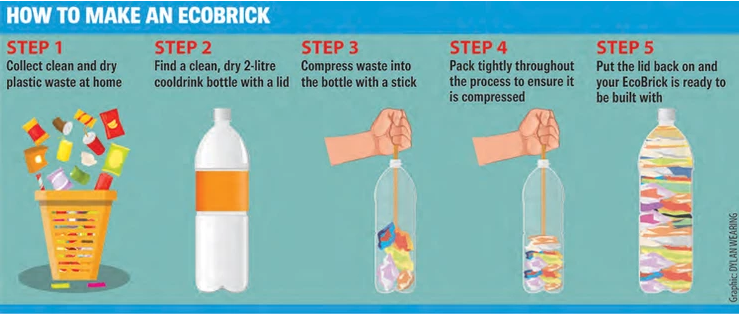
It is very simple! The picture below shows you how in 5 simple steps. The key is to just keep stuffing until you can’t any more! With time and patience, your brick will come to life.


Poll: Are you still heading to your local for your caffeine fix, or has the $$ changed your habits? ☕
Wellington’s identity is built on its cafe culture, but with costs climbing, that culture is under pressure. We’ve seen the headlines about recent closures, and it’s a tough pill to swallow along with a $6+ coffee.
We all want our favourite spots to stay open, but we also have to balance our own budgets ⚖️
We want to know: How are you handling the "coffee math" in 2026? Are you still heading to your local for a chat and a caffeine fix, or has the cost of living changed your habits?
Keen to read more about "coffee math"? The Post has you covered.

-
41.8% I avoid spending money on coffee
-
45.5% I still indulge at my local cafe
-
12.7% Irrelevant - coffee is not for me

Some Choice News!
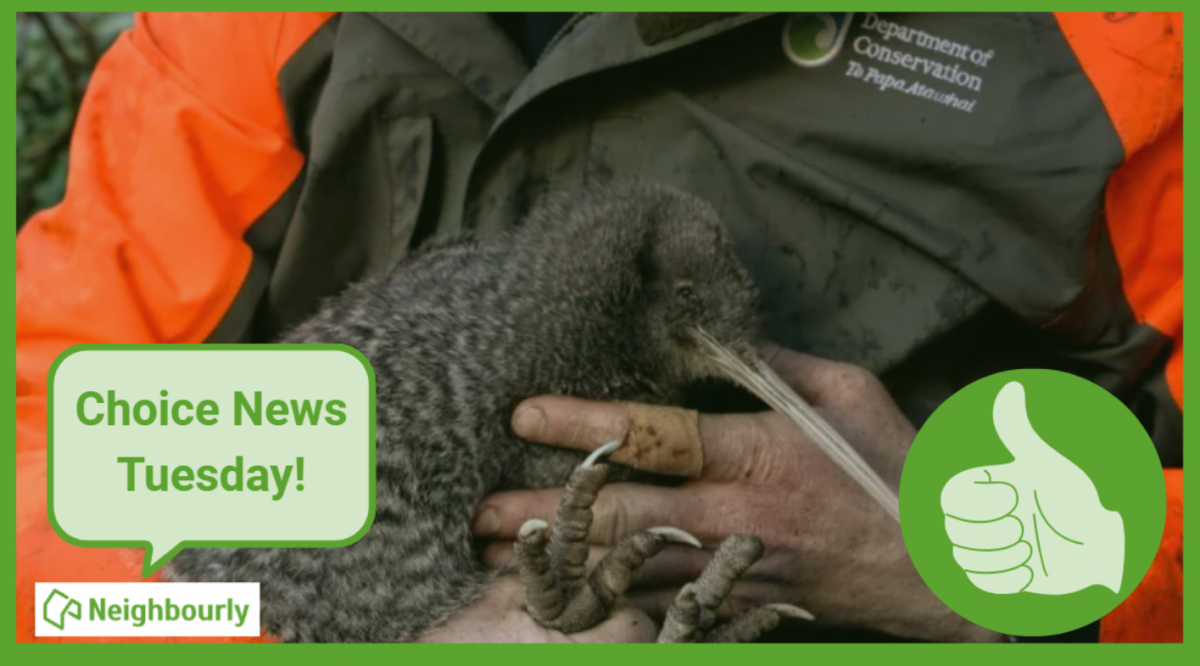
DOC is rolling out a new tool to help figure out what to tackle first when it comes to protecting our threatened species and the things putting them at risk.
Why does this matter? As Nikki Macdonald from The Post points out, we’re a country with around 4,400 threatened species. With limited time and funding, conservation has always meant making tough calls about what gets attention first.
For the first time, DOC has put real numbers around what it would take to do everything needed to properly safeguard our unique natural environment. The new BioInvest tool shows the scale of the challenge: 310,177 actions across 28,007 sites.
Now that we can see the full picture, it brings the big question into focus: how much do we, as Kiwis, truly value protecting nature — and what are we prepared to invest to make it happen?
We hope this brings a smile!

🧩😏 Riddle me this, Neighbours…
I am an odd number. Take away a letter and I become even. What number am I?
Do you think you know the answer?
Want to stop seeing these in your newsfeed? No worries! Simply head here and click once on the Following button.

 Loading…