






Jumping for Jute!
Jute is a natural fibre with golden & silky shine, and hence nicknamed as The Golden Fibre.
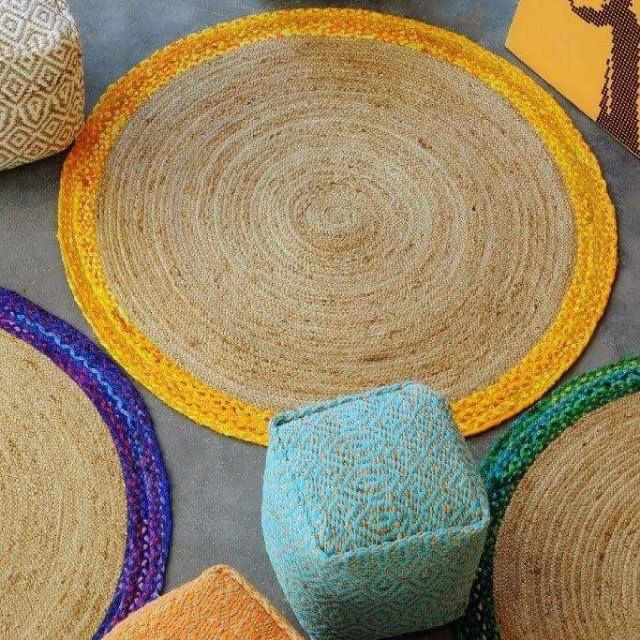
Jute is one of the most versatile natural fibres that has been used in raw materials for packaging, textiles, non-textile, and agricultural sectors.
Jute is a vegetable plant whose fibres are dried in long strips, and it’s one of the cheapest natural materials available; together with cotton, it is one of the most frequently used.
The plants from which jute is obtained grow mainly in warm and humid regions, such as Bangladesh, China, and India.
Jute can be grown year-round and is harvested every six months. It can take decades to produce the same volume of wood fiber and it requires much larger tracts of land to cultivate.
The woody core of the jute plant, called hurd, has thousands of potential industrial and commercial uses. As an alternative to wood, hurd is capable of meeting most of the world’s demand for wood and wood products. Using hurd and jute fibres means that the level of deforestation to meet the current demand for paper and wood could be significantly decreased if they were used as an alternative.
Jute is 100% biodegradable (it degrades biologically in 1 to 2 years), low-energy recyclable, and can even be used as compost for the garden. It is clear in terms of reusability and recyclability that jute bags are one of the best options available nowadays.
Jute fibres are tougher and more resilient than paper made from wood pulp and can withstand prolonged exposure to water and weather. They can be reused many times and are thus very environmentally friendly.
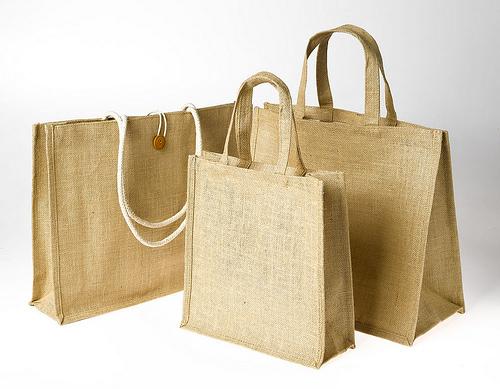
The application of jute is a significant step in combating the use of different materials containing toxic wastes. Jute bags cut down the employment of plastic bags, which have now been effectively banned in many countries due to their harmful components. Jute seems to be one of the best alternatives to it.
We hope you enjoyed learning about Jute as much as we did, we would love to hear your comments!

🧩😏 Riddle me this, Neighbours…
I am an odd number. Take away a letter and I become even. What number am I?
Do you think you know the answer?
Want to stop seeing these in your newsfeed? No worries! Simply head here and click once on the Following button.


Poll: Are you still heading to your local for your caffeine fix, or has the $$ changed your habits? ☕
Wellington’s identity is built on its cafe culture, but with costs climbing, that culture is under pressure. We’ve seen the headlines about recent closures, and it’s a tough pill to swallow along with a $6+ coffee.
We all want our favourite spots to stay open, but we also have to balance our own budgets ⚖️
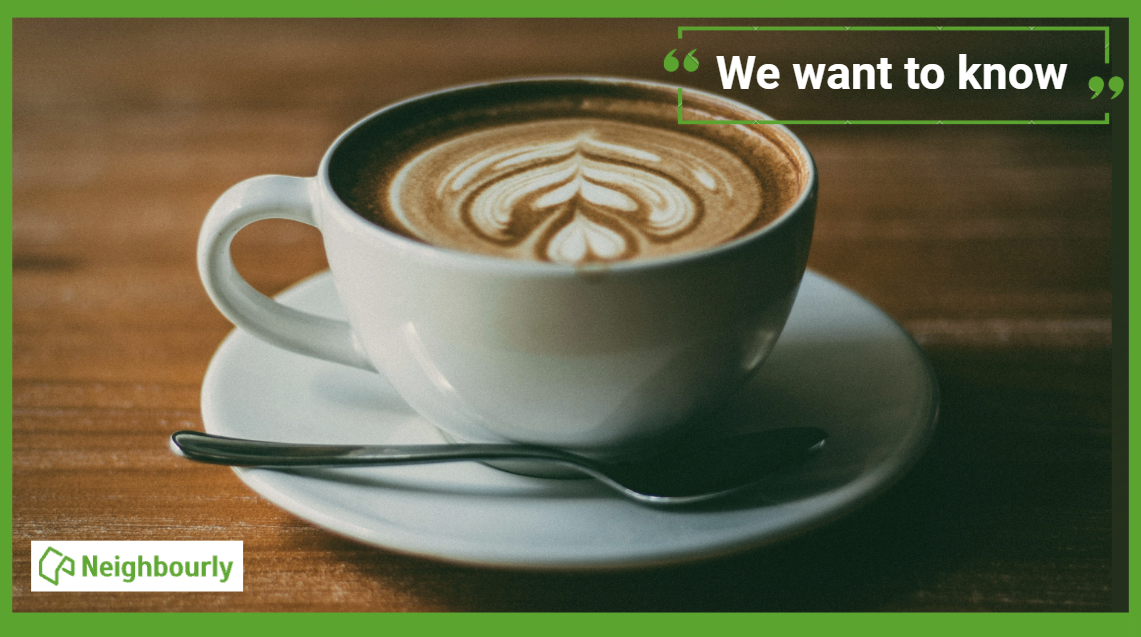
We want to know: How are you handling the "coffee math" in 2026? Are you still heading to your local for a chat and a caffeine fix, or has the cost of living changed your habits?
Keen to read more about "coffee math"? The Post has you covered.
-
41.8% I avoid spending money on coffee
-
47.6% I still indulge at my local cafe
-
10.6% Irrelevant - coffee is not for me
Scam Alert: Bank cold calls
ASB is warning customers about reports of cold calls from scammers claiming to be from ASB. These scammers are trying to obtain personal information, including usernames, dates of birth, and verification codes sent to your mobile phone.
🛡️ The "Caller Check" Test
If you get a call from someone claiming to be from ASB and you’re unsure, just ask them for a Caller Check. You will then be able to verify the call through the app.
Remember, banks will:
❌ Never ask for your banking passwords, PINs, or verification codes
❌ Never need to know your full credit card number – especially the CVC
❌ Never ask you to download software or remotely access your device
❌ Never ask you to purchase gift cards or transfer funds.
If you have received a phone call and think your account has been compromised, call ASB on 0800 ASB FRAUD (0800 272 372), or visit your local branch.
 Loading…