





Master The Gentle Art Of Sleep
A good night's sleep is essential for your physical and mental well-being. If you find yourself tossing and turning, try these tips to help you achieve the sleep of your dreams.
Aim for at least 30 minutes of moderate exercise, such as walking, swimming, or yoga on most days of the week. Just avoid exercising too close to bedtime, as it may increase alertness.
Setting up a regular sleep schedule can work wonders for achieving restful sleep. Try to go to bed and wake up around the same time every day, even on weekends. This will help regulate your body's internal clock, making it easier to fall asleep and wake up naturally.
Electronic devices emit blue light that suppresses the production of melatonin, a hormone that regulates sleep. Not to mention that texting, watching television or scrolling are all stimulating, which can keep your brain on alert. Avoid using electronic devices for at least an hour before bed and turn off the TV.
Click read more for more tips on achieving a good night's sleep.


Some Choice News!
DOC is rolling out a new tool to help figure out what to tackle first when it comes to protecting our threatened species and the things putting them at risk.
Why does this matter? As Nikki Macdonald from The Post points out, we’re a country with around 4,400 threatened species. With limited time and funding, conservation has always meant making tough calls about what gets attention first.
For the first time, DOC has put real numbers around what it would take to do everything needed to properly safeguard our unique natural environment. The new BioInvest tool shows the scale of the challenge: 310,177 actions across 28,007 sites.
Now that we can see the full picture, it brings the big question into focus: how much do we, as Kiwis, truly value protecting nature — and what are we prepared to invest to make it happen?
We hope this brings a smile!


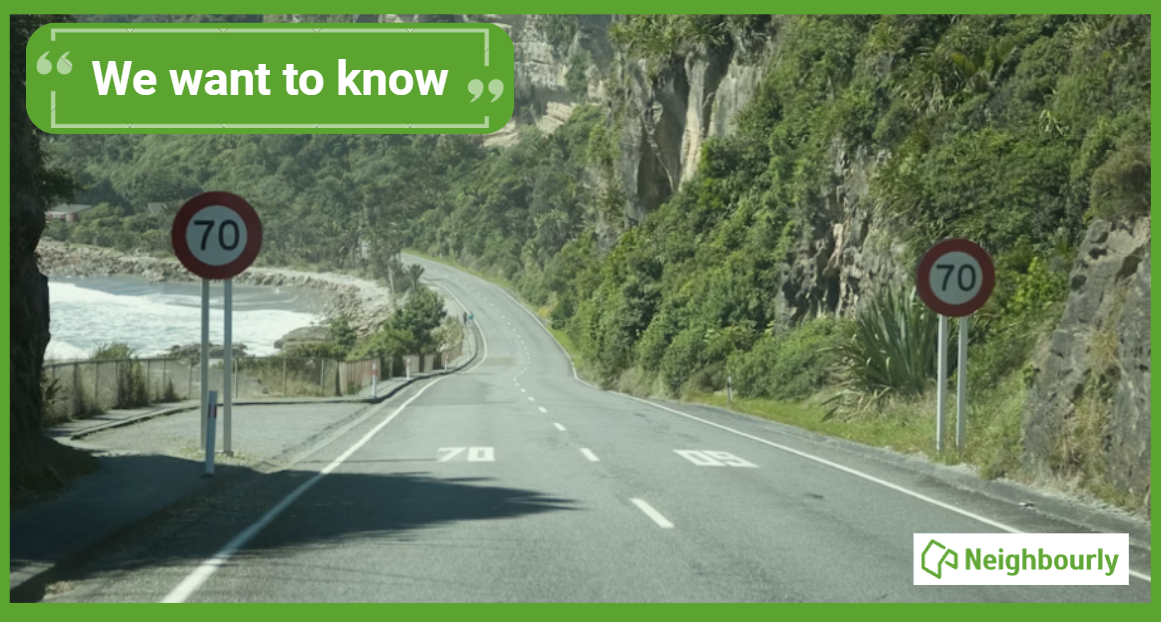
Poll: If we want to reduce speeding, what do you think actually changes driver behaviour? 🛻🚨🚓
In the Post's article on speeding penalties, the question is asked whether speeding fines are truly about road safety, or are they just a way to boost revenue for the Crown?
What do you think? Should speeding motorists receive speeding fines or demerit points?
-
37.6% The sting of a fine (Money talks!)
-
62.4% The threat of demerit points (Nobody wants to lose their license!)

Share your favourite main crop potato recipe and win a copy of our mag!
Love potatoes? We will give away free copies of the May 2026 issue to readers whose potato recipes are used in our magazine. To be in the running, make sure you email your family's favourite way to enjoy potatoes: mailbox@nzgardener.co.nz, by March 1, 2026.

 Loading…