





Shellfish biotoxin alert for Hawke’s Bay
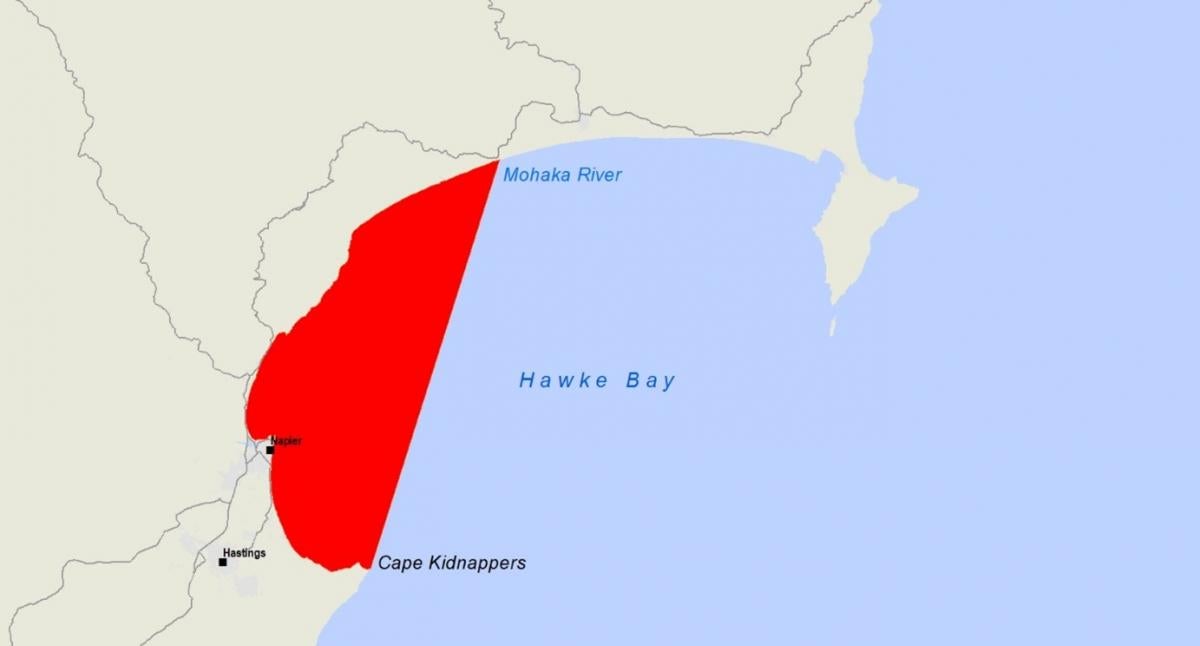
New Zealand Food Safety is advising the public not to collect or consume shellfish gathered from Hawke Bay.
What you need to know:
- Hawke Bay locals are advised by New Zealand Food Safety not to collect/consume shellfish gathered from Hawke Bay due to the presence of toxins.
- Routine tests on mussels from Pania Reef in Napier have shown levels of paralytic shellfish toxins over the safe limit.
- The warning extends from Cape Kidnappers, north to Mohaka River.
- Cooking the shellfish does not remove the toxins.
- Pāua, crab and crayfish may still be eaten if the gut has been completely removed prior to cooking, as toxins accumulate in the gut. If the gut is not removed, its contents could contaminate the meat during the cooking process.
- Products sold in supermarkets and shops will not be of risk.
Symptoms of paralytic shellfish poisoning usually appear within 10 minutes to 3 hours of eating and may include:
numbness and a tingling (prickly feeling) around the mouth, face, hands, and feet
difficulty swallowing or breathing
dizziness and headache
nausea and vomiting
diarrhoea
paralysis and respiratory failure and, in severe cases, death.
If anyone becomes ill after eating shellfish from an area where a public health warning has been issued:
- Phone Healthline for advice on 0800 61 11 16, or seek medical attention immediately.
- Contact your nearest public health unit and keep any leftover shellfish in case it can be tested.
New Zealand Food Safety is monitoring shellfish in the region and will notify the public of any changes to the situation.
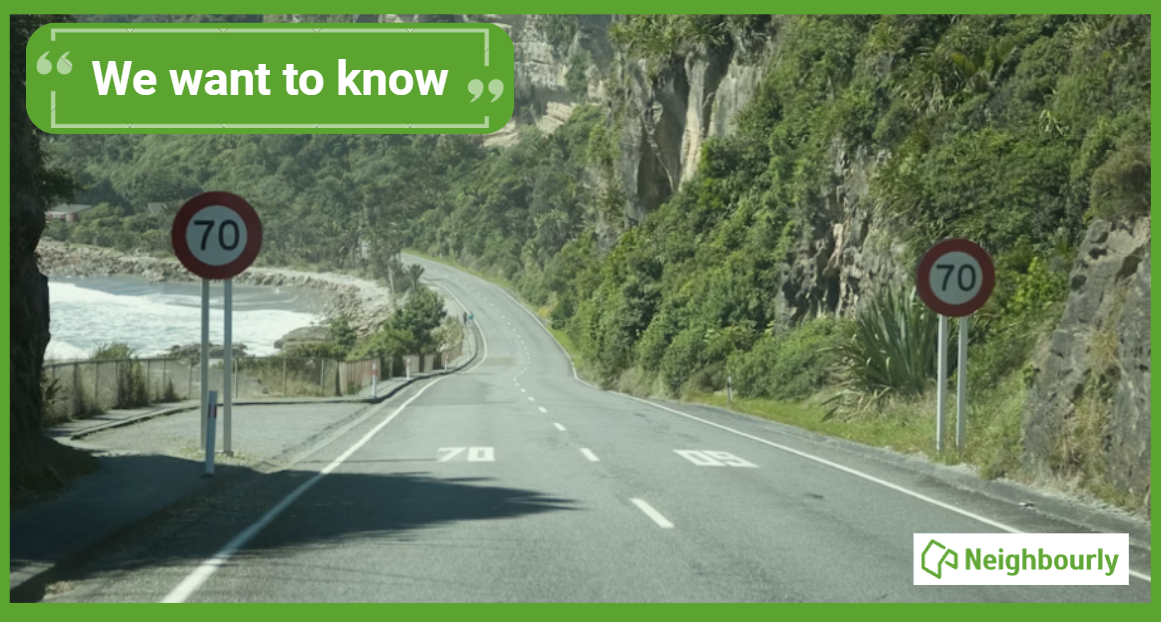
Poll: If we want to reduce speeding, what do you think actually changes driver behaviour? 🛻🚨🚓
In the Post's article on speeding penalties, the question is asked whether speeding fines are truly about road safety, or are they just a way to boost revenue for the Crown?
What do you think? Should speeding motorists receive speeding fines or demerit points?
-
38.3% The sting of a fine (Money talks!)
-
61.7% The threat of demerit points (Nobody wants to lose their license!)

🎉 Riddle me this, legends! 🎉
He/She who makes it, sells it.
He/She who buys it, doesn't use it.
The user doesn't know they are using it.
What is it?
(Shezz from Ngāruawāhia kindly provided this head-scratcher ... thanks, Shezz!)
Do you think you know the answer? Simply 'Like' this post if you know the answer and the big reveal will be posted in the comments at 2pm on the day!
Want to stop seeing these in your newsfeed?
Head here and hover on the Following button on the top right of the page (and it will show Unfollow) and then click it. If it is giving you the option to Follow, then you've successfully unfollowed the Riddles page.
Scam Alert: Bank cold calls
ASB is warning customers about reports of cold calls from scammers claiming to be from ASB. These scammers are trying to obtain personal information, including usernames, dates of birth, and verification codes sent to your mobile phone.
🛡️ The "Caller Check" Test
If you get a call from someone claiming to be from ASB and you’re unsure, just ask them for a Caller Check. You will then be able to verify the call through the app.
Remember, banks will:
❌ Never ask for your banking passwords, PINs, or verification codes
❌ Never need to know your full credit card number – especially the CVC
❌ Never ask you to download software or remotely access your device
❌ Never ask you to purchase gift cards or transfer funds.
If you have received a phone call and think your account has been compromised, call ASB on 0800 ASB FRAUD (0800 272 372), or visit your local branch.
 Loading…