





Bin the Cotton Buds!
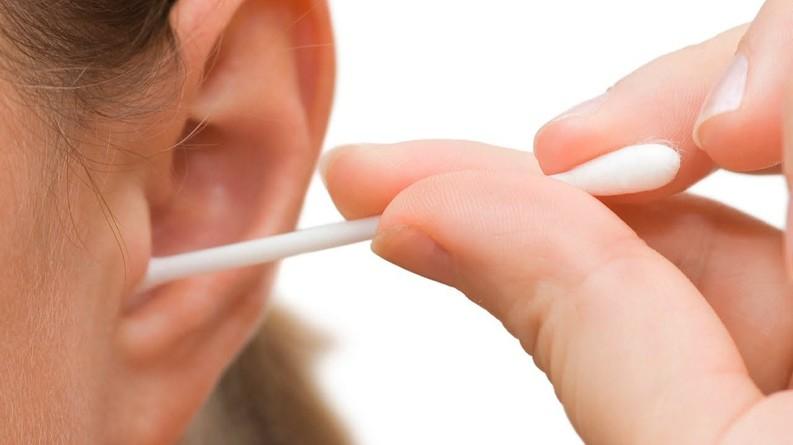
For many, digging around in your ear canal with a cotton bud to scoop out satisfyingly large clumps of wax is as habitual as cleaning your teeth or washing your hair. For some, it also feels good - because the inner tunnel of your ear is loaded with nerve endings, cleaning your ears can often simulate the pleasure of an orgasm, or so they say!
But, even if it gives you pleasure and the feeling of cleanliness, cleaning your ears with cotton buds is not a good idea, and you should stop immediately, because:
- Regularly cleaning is another common cause of earwax build-up as removing the wax can stimulate the body to produce more than it needs, so you’re just making things worse.
- But there are other good reasons too. Cotton buds can push earwax further into the ear canal, causing a blockage and resulting in temporary hearing loss.
- It’s easy to scratch the inside of your ear with a cotton bud which may lead to infections.
- However, the biggest concern about using cotton buds (or any other objects) to remove earwax, is the risk of damage to the ear canal or eardrum and the potential to cause permanent harm to your hearing.
There’s only safe and approved way to remove ear wax, and that’s by microsuction, so book an appointment today!.

Share your favourite main crop potato recipe and win a copy of our mag!
Love potatoes? We will give away free copies of the May 2026 issue to readers whose potato recipes are used in our magazine. To be in the running, make sure you email your family's favourite way to enjoy potatoes: mailbox@nzgardener.co.nz, by March 1, 2026.


🧩😏 Riddle me this, Neighbours…
I am an odd number. Take away a letter and I become even. What number am I?
Do you think you know the answer?
Want to stop seeing these in your newsfeed? No worries! Simply head here and click once on the Following button.

Scam Alert: Bank cold calls
ASB is warning customers about reports of cold calls from scammers claiming to be from ASB. These scammers are trying to obtain personal information, including usernames, dates of birth, and verification codes sent to your mobile phone.
🛡️ The "Caller Check" Test
If you get a call from someone claiming to be from ASB and you’re unsure, just ask them for a Caller Check. You will then be able to verify the call through the app.
Remember, banks will:
❌ Never ask for your banking passwords, PINs, or verification codes
❌ Never need to know your full credit card number – especially the CVC
❌ Never ask you to download software or remotely access your device
❌ Never ask you to purchase gift cards or transfer funds.
If you have received a phone call and think your account has been compromised, call ASB on 0800 ASB FRAUD (0800 272 372), or visit your local branch.
 Loading…