




Toxins detected in Hawke Bay shellfish
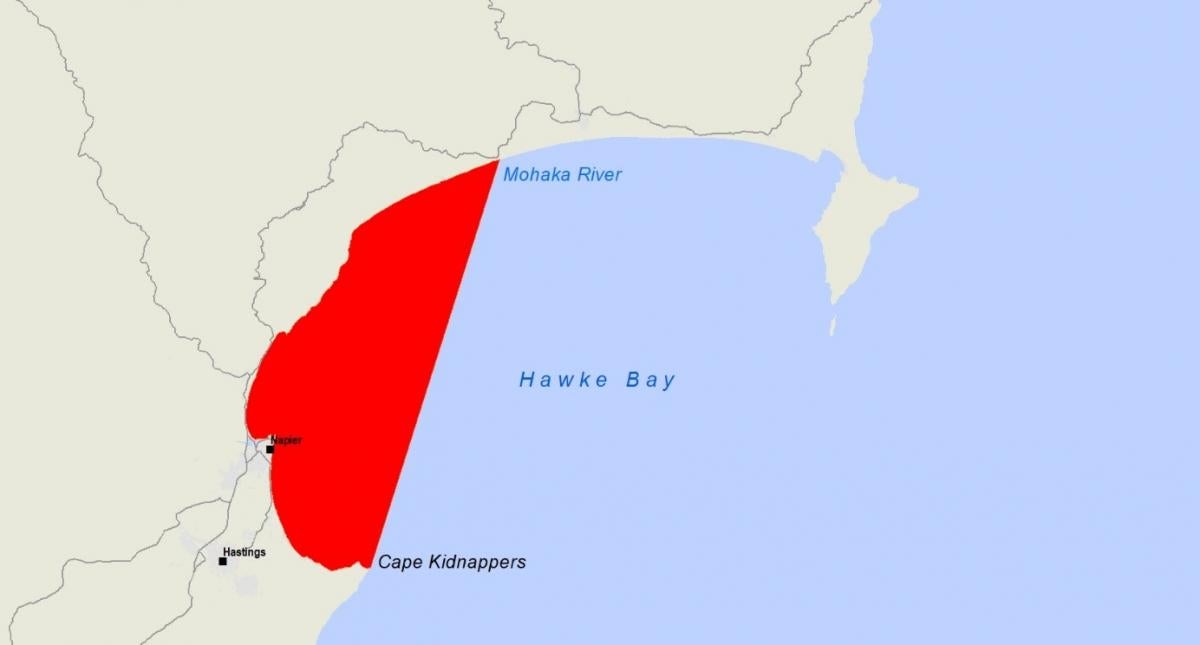
A shellfish biotoxin alert has been published by the Ministry for Primary Industries (MPI) for Hawke Bay.
Routine testing found shellfish samples collected from Pania Reef contained Paralytic Shellfish poisoning (PSP) toxins in excess of the safe limit of 0.8mg/kg set by MPI.
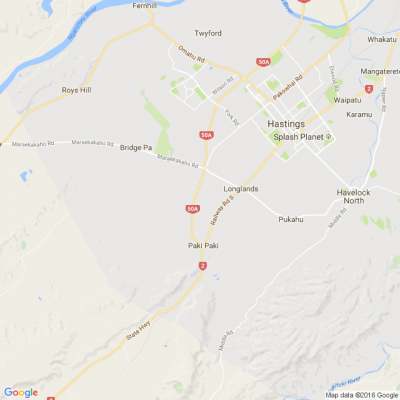
The warning covers the area between the Mohaka River mouth to the top of Cape Kidnappers.
In a statement, MPI said that they continue to monitor toxin levels, with stricter monitoring programmes for commercially harvested shellfish.
"Any changes will be communicated accordingly... There are no commercial shellfish farms in the affected region."
Here's what you need to know:
- The public are advised not to eat Mussels, oysters, tuatua, pipi, toheroa, cockles, scallops, catseyes, kina (sea urchin), and all other bivalve shellfish.
- Pāua, crab and crayfish may still be eaten if the gut has been completely removed prior to cooking.
- Symptoms of poisoning typically appear 10 minutes to three hours after ingestion and can include numbness and a tingling (prickly feeling) around the mouth, face, and extremities (hands and feet), difficulty swallowing or breathing, dizziness, headache, nausea, vomiting, diarrhoea paralysis and respiratory failure, and in severe cases, death.
Members of the public who have become ill after ingesting the affected shellfish should get in touch with Healthline (0800 61 11 16) or seek medical attention immediately. Keep any shellfish leftover for testing.
Find out more about the alert by heading to the Ministry for Primary Industries website.

A reminder this hunting season
As thousands of hunters are making their plans for autumn – the Roar – recreational firearms groups are urging hunters to always be 100% sure of their targets.
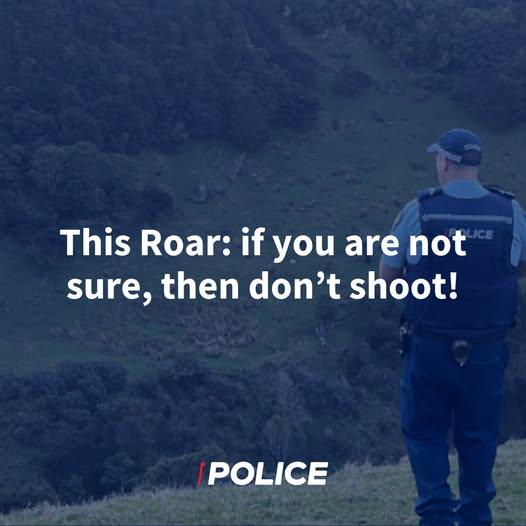
Te Tari Pureke - Firearms Safety Authority NZ, which chairs the Recreational Firearms Users Group, has begun a public information campaign reminding hunters everywhere of Rule #4 of the Firearms Safety Code: to identify their target beyond all doubt.
Director Communities and Corporate, Mike McIlraith, says there is an estimated 50,000-60,000 New Zealanders involved in big game animal hunting each year, and the Roar is the key event for many hunters each year.
“The Roar is a fantastic time of year for hunters to get out into the hills after a trophy animal but hunting safely and making sure everyone gets home in one piece, still must be the most important goal of every trip,” says Mike McIlraith.
“The consequences of not fully identifying your target beyond all doubt can be catastrophic. Our message to hunters is a really simple one: If you are not sure, then don’t shoot.”
Mike McIlraith says while hunting fatalities are thankfully rare, research has shown that misidentification of the target is the largest firearms related risk to New Zealand deer hunters, and 80% of the time this involves members of the same hunting group.
The Authority says hunters should not feel pressured to take a shot: “Instead, hunters should take the time to analyse their target, wait and see if it is a hind or stag, how old is the animal, how many points does its antlers have? Identifying your target means never firing at sound, shape, colour or movement alone.”
Mike McIlraith says good hunters will slow down, and run through some simple mental checks:
- Can I see the whole animal, or could this be another hunter?
- Where are my hunting companions – could this be them or someone else?
- How much of the animal can you see, if it is a hind or stag, how old is the animal, how - many points does its antlers have?
“Taking a little extra time to identify your target and check the firing zone is the key to safer hunting. No meat or no trophy is better than no mate,” he says.

Powdery residue
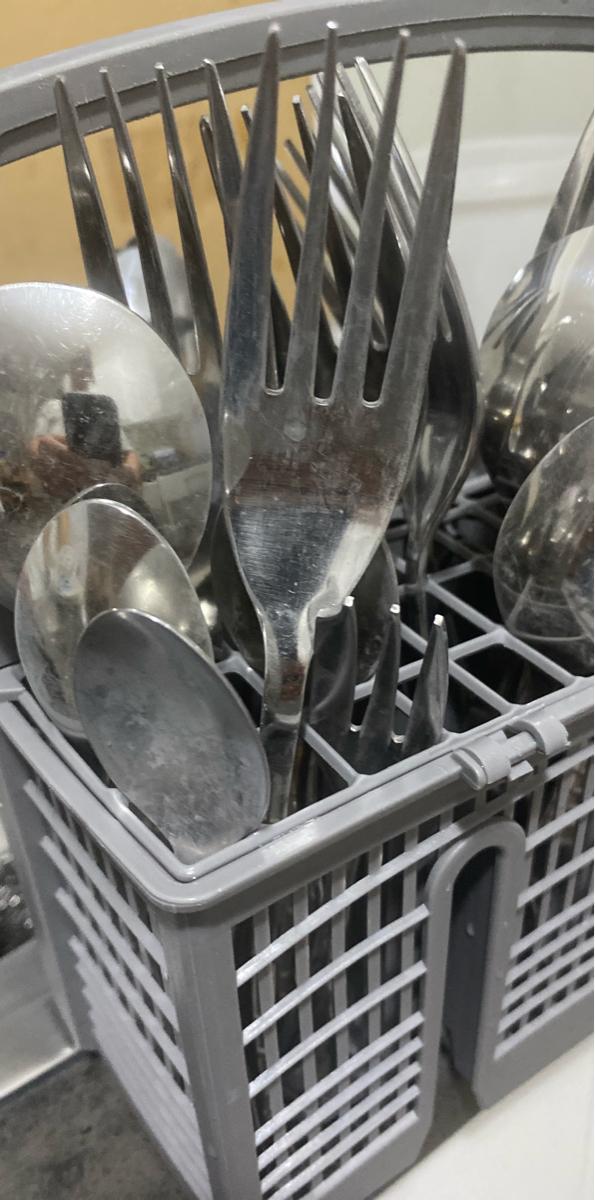
Is anyone else finding dishes coming out of their dishwasher with a powdery residue?
I washed them twice, no powder second time and they came out worse.
I put a dishwasher cleaner through 3 weeks ago.
Poll: Does a savoury scone require cheese on top, or folded inside?
Help settle the great kiwi debate ... cheese on top, or folded inside?
-
76.4% Inside!
-
23.6% On top!
 Loading…