







Why Wool is Cool
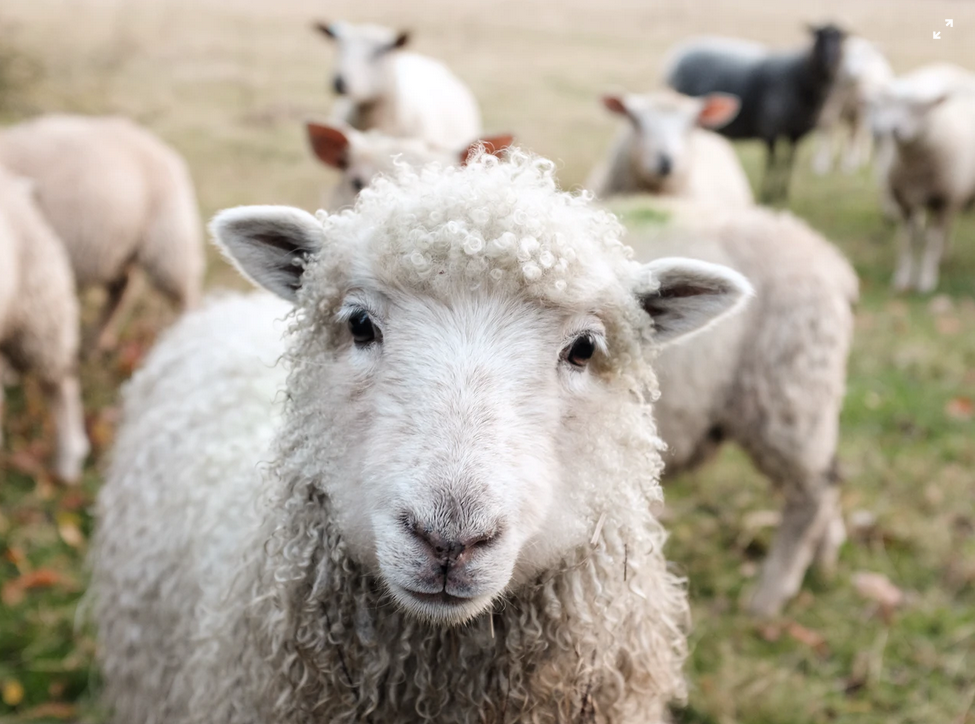
• The fleece of sheep has been used to make human clothing since the Stone Age.
• Wool flourishes where there is rain and sunshine. These two elements sustain the grassy fields that sheep graze on. Shearers shave off the wool every year before the weather gets too hot. Wool is the ultimate renewable fibre.
• Wool from about 61 sheep extend all the way from the earth to the moon.
• Wool may be made from mixtures of hair from sheep, alpaca, llama, camel, cashmere, mohair, angora, vicuna, yak, guanaco, beaver or otter. No animals are harmed in the harvesting of wool.
• Wool is flame-resistant. It will not melt and stick to your skin like synthetic fibres. Instead, wool will usually smoulder and extinguish itself when the source of the flame has been removed. The fibre of choice for casinos and airlines.
• The fastest recorded time to shear a sheep is 39.31 seconds by Hilton Barrett of Australia.
• Wool is composed of same protein that makes up the outer protective layer of your skin.
• Have you ever wondered why your wool socks withstand foot stench longer than cotton or synthetic socks? Wool is naturally mildew and mould resistant because it is a natural moisture repellent, MEANING LESS STINK. Wool also reduces dust mite activity (they do not like wool!).
• Over its lifetime, a sheep’s fleece will absorb approximately 30Kg of carbon dioxide.
• Renewable, recyclable, and naturally biodegradable; choosing wool minimizes the amount of waste that sits in landfills. Wool biodegrades in weeks to less than 1 year depending on environmental conditions. This is due to its high nitrogen content.
• Wool products can last for 15 to 20 years (or more)
• Wool can absorb indoor contaminants, including formaldehyde, sulphur dioxide and nitrogen dioxide and locks them away in the fibre core. It is naturally soil and stain resistant, attracts less dirt and dust due to anti-static properties and requires less cleaning than synthetic fabrics.
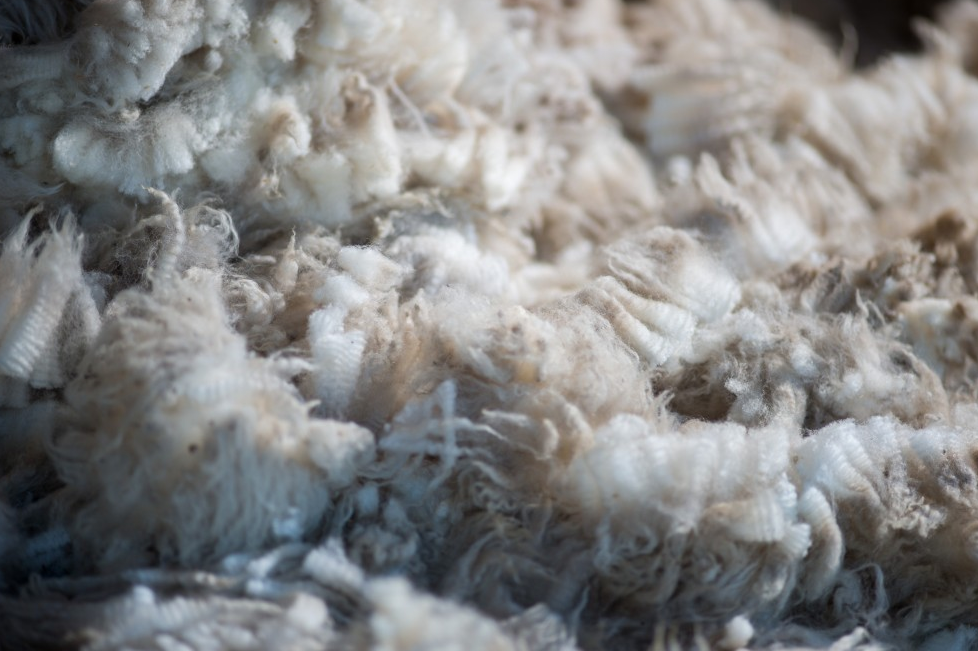
• Wool fibres have a crimped texture so when it’s packed more tightly together lots of tiny pockets of air form. This structure means that it can absorb and release wick away moisture, allowing your skin to breathe so you feel fresh as a daisy.
• Due to its crimped structure, wool is naturally elastic, and so wool garments have the ability to stretch to your shape but can then return to their original state. It is also resistant to tearing and requires less processing to make it useable.
• Wool’s high nitrogen and water content makes it naturally flame resistant. Wool does not ignite easily and will self-extinguish. Should wool burn it does not melt while burning. Wool produces less smoke and toxic fumes during combustion than synthetic fibres, making it a far safer choice.

Share your favourite main crop potato recipe and win a copy of our mag!
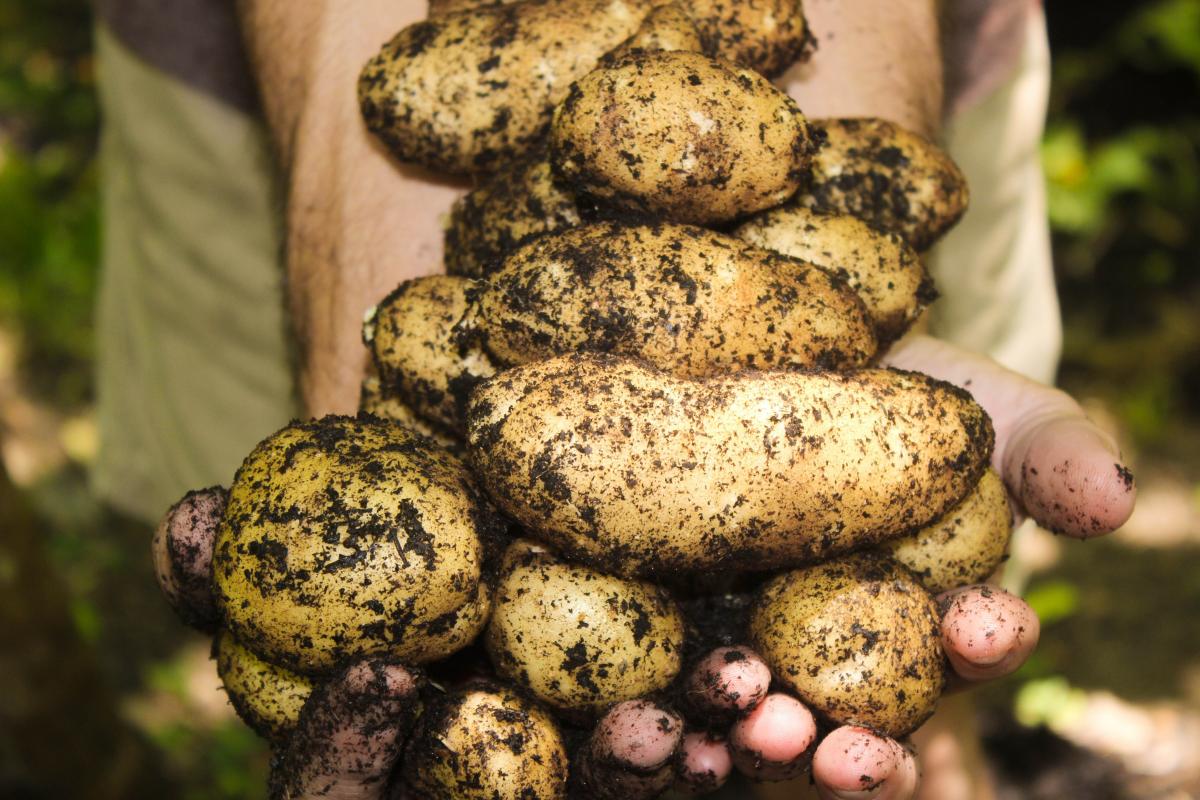
Love potatoes? We will give away free copies of the May 2026 issue to readers whose potato recipes are used in our magazine. To be in the running, make sure you email your family's favourite way to enjoy potatoes: mailbox@nzgardener.co.nz, by March 1, 2026.

Poll: Would you help your kids out with buying a home?
OPINION: Over the past year, I’ve had the same conversation with many Waikato families again and again.
A child has found a house. The market feels like it’s moving. There’s pressure to act quickly. And before anyone has really had time to think it through, parents are being asked to step in with cash, guarantees, or equity from their own home.
Would you help your kids out with buying a home? Tell us more in the comments (adding NFP if you don't want your words used in print).

-
0% I already have.
-
100% Yes.
-
0% No

Some Choice News!
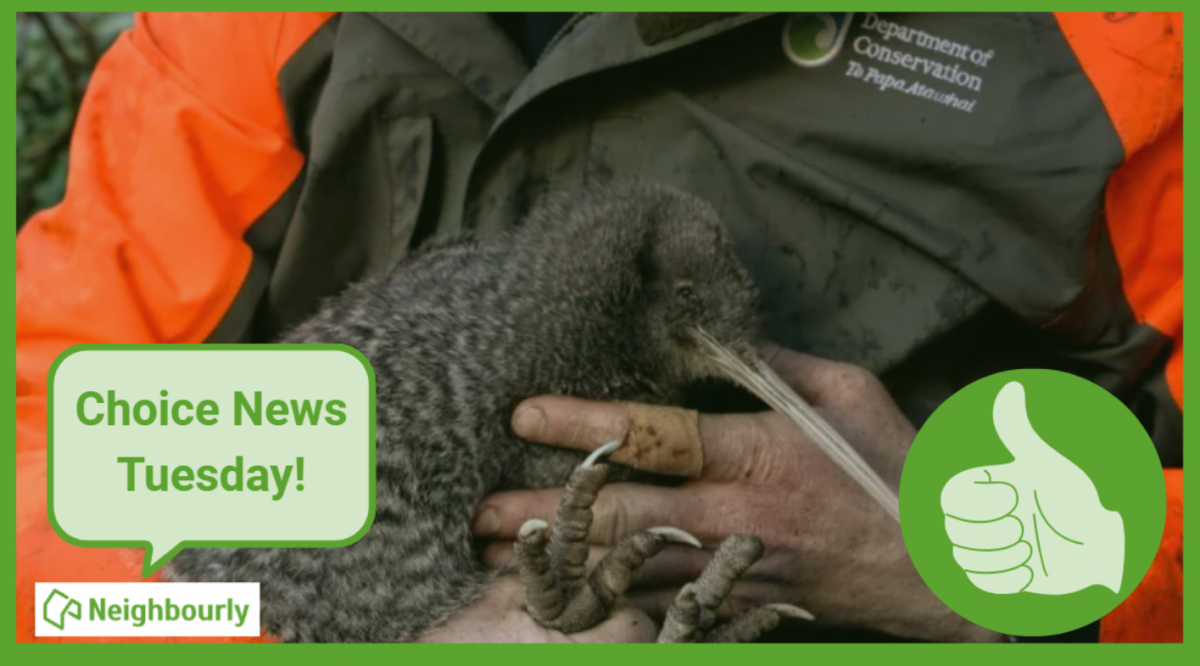
DOC is rolling out a new tool to help figure out what to tackle first when it comes to protecting our threatened species and the things putting them at risk.
Why does this matter? As Nikki Macdonald from The Post points out, we’re a country with around 4,400 threatened species. With limited time and funding, conservation has always meant making tough calls about what gets attention first.
For the first time, DOC has put real numbers around what it would take to do everything needed to properly safeguard our unique natural environment. The new BioInvest tool shows the scale of the challenge: 310,177 actions across 28,007 sites.
Now that we can see the full picture, it brings the big question into focus: how much do we, as Kiwis, truly value protecting nature — and what are we prepared to invest to make it happen?
We hope this brings a smile!
 Loading…