






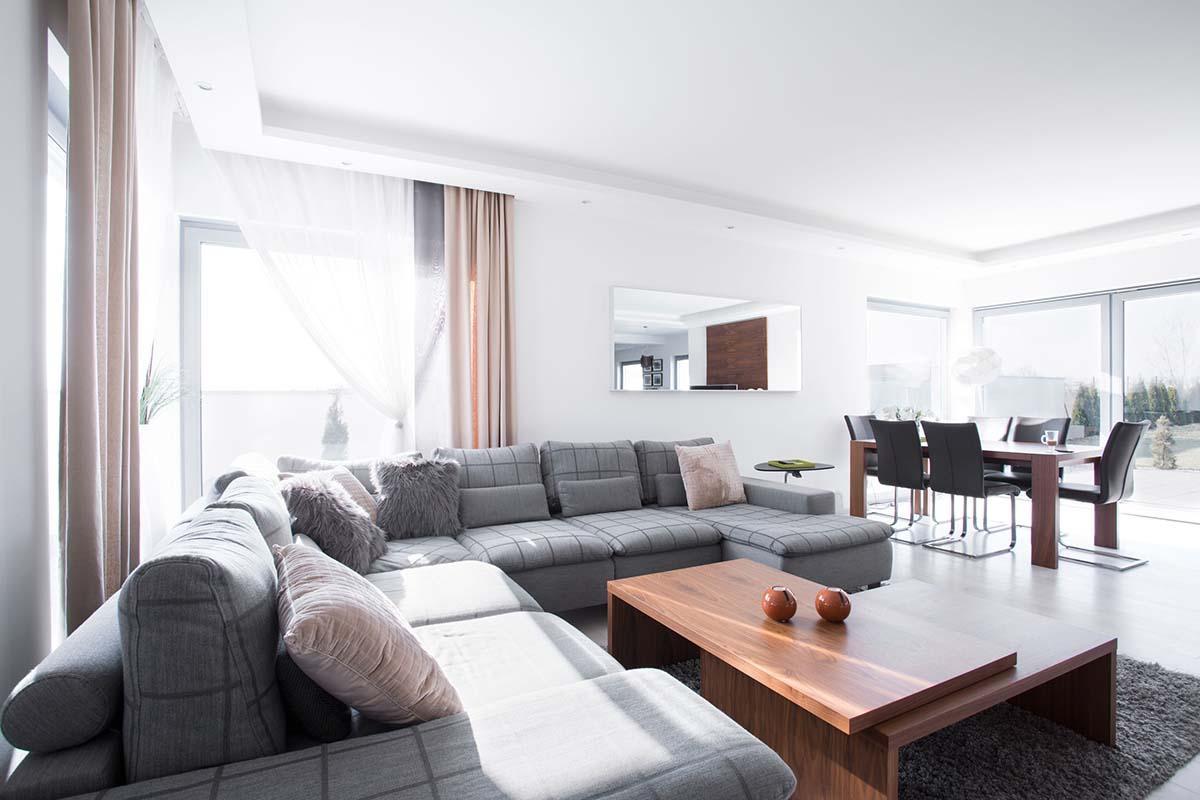
How to turn your home into an investment property
Not everyone chooses to sell their current home when they decide to move on. Sometimes, it’s not even an option. If you’re looking to hang on to your personal home and turn it into a rental, there are a few things to consider first.
1. Wear and tear
This is perhaps the biggest thing homeowners need to know. As a rental, your personal home will experience more wear and tear than it otherwise would if you lived in it. Your garden will probably not look as immaculate as it once did, and your walls and floors may acquire new scuff marks. So, if you can’t shake off your emotional attachment to the property, you may be better off selling it rather than renting it.
2. Location
The location of your home can have a major impact on its rentability and how easy it is to find quality tenants. If you’re close to local amenities like schools, Waikato University, Waikato Hospital or public transport routes, you have a better chance of keeping your property tenanted.
3. Maintenance
If your home is high maintenance - perhaps it has a pool, a large garden, or old appliances - know that you’ll need to keep it maintained to a reasonable condition to meet your obligations as a landlord/owner. This may involve extra ongoing costs, or costs to remedy the amount of maintenance required.
4. Family homes do best
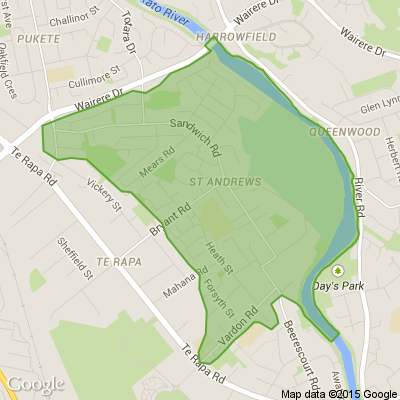
In Hamilton, family-sized homes do particularly well on the rental market. Four-bedroom houses in Hamilton fetch, on average, between $450 and $520 per week. As for the strongest performing suburbs, Hamilton East/University, Te Kowhai/St Andrews/Queenwood, Dinsdale South/Frankton, Dinsdale North/Nawton and Flagstaff/Rototuna have recently experienced the strongest rental growth for family-sized properties with three to five (or more) bedrooms.
5. Landlord responsibilities
When you turn your personal home into a rental, you will take on the mantle of landlord, which comes with its own set of responsibilities. This includes finding and screening tenants, conducting or arranging inspections, repairs and maintenance. It’s a lot to manage—especially if you’re no longer living in the region. It’s why so many investors hire professional property managers to take care of the day-to-day running of their properties. Moreover, their fees are tax deductible.
Important note: If you’re leaving the country for more than 21 days, you’ll need to either appoint someone as your landlord in your stead or hire a property manager.
6. Tax implications
If you turn your home into a residential investment, be aware that you may not be able to make tax claims against it. It always pays to talk to a professional accountant to make sure you set up your home-turned-rental properly to avoid issues with tax, ownership and debt allocation.

Some Choice News!
DOC is rolling out a new tool to help figure out what to tackle first when it comes to protecting our threatened species and the things putting them at risk.
Why does this matter? As Nikki Macdonald from The Post points out, we’re a country with around 4,400 threatened species. With limited time and funding, conservation has always meant making tough calls about what gets attention first.
For the first time, DOC has put real numbers around what it would take to do everything needed to properly safeguard our unique natural environment. The new BioInvest tool shows the scale of the challenge: 310,177 actions across 28,007 sites.
Now that we can see the full picture, it brings the big question into focus: how much do we, as Kiwis, truly value protecting nature — and what are we prepared to invest to make it happen?
We hope this brings a smile!


Have you got New Zealand's best shed? Show us and win!
Once again, Resene and NZ Gardener are on the hunt for New Zealand’s best shed! Send in the photos and the stories behind your man caves, she sheds, clever upcycled spaces, potty potting sheds and colourful chicken coops. The Resene Shed of the Year 2026 winner receives $1000 Resene ColorShop voucher, a $908 large Vegepod Starter Pack and a one-year subscription to NZ Gardener. To enter, tell us in writing (no more than 500 words) why your garden shed is New Zealand’s best, and send up to five high-quality photos by email to mailbox@nzgardener.co.nz. Entries close February 23, 2026.


Will these roadworks affect you?
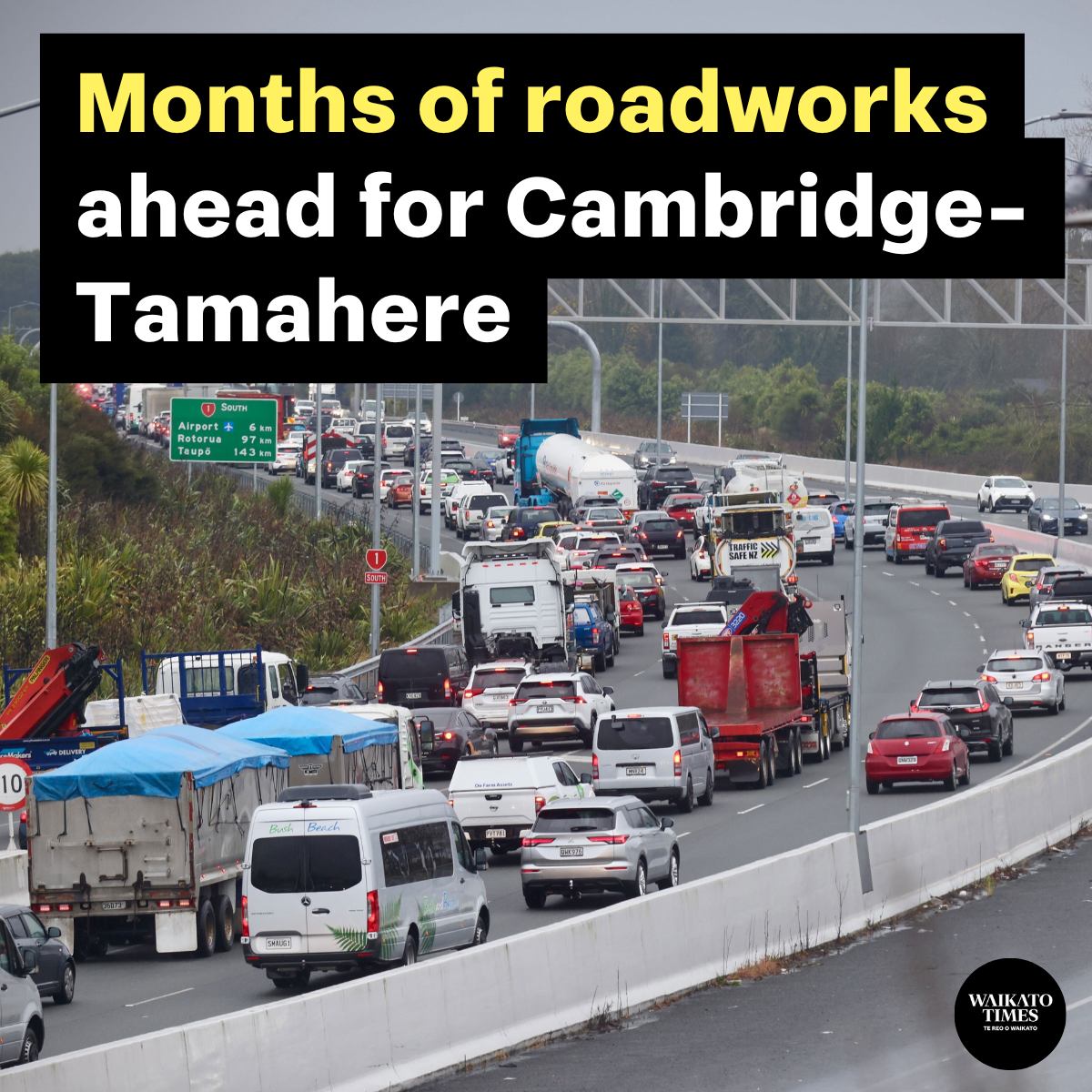
Don’t expect a quick trip between Cambridge and Tamahere for much of this year, because major roadworks are starting.
Asphalt works on that section of Waikato Expressway will run from March through to late 2026, NZ Transport Agency Waka Kotahi (NZTA) says. Motorists are warned to plan for significant delays.
“Unfortunately the pavement, particularly in the slow lanes, has deteriorated faster than expected,” NZTA’s Roger Brady said.
Will these roadworks affect you? Tell us more in the comments (adding NFP if you don't want your words used in print).
 Loading…