




Hey Mate! Don't light that fire!
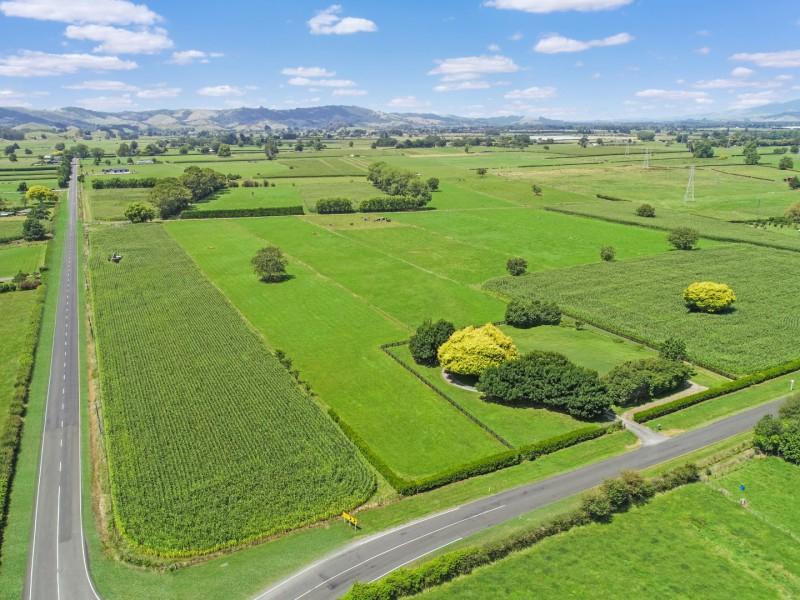
There's a total fire ban on around the Waikato. The little rain we’ve had has evaporated and the ground, grass and bush are still tinder dry.
So how come a few people are ignoring the ban and burning hedge clippings, tree stumps or general clean-up rubbish? That's something that puzzles Paul Shaw, Principal Rural Fire Officer for the Waikato.
"The fire risk is extreme for most of the region, so when someone decides to burn off a heap of rubbish they are highly likely to set their surroundings alight,” he says.
“A lifestyle block owner in the Northern Waikato recently lit a fire that started off small but spread quickly and got out of control. Two Brigades has to turn out to what was an unnecessary, deliberately lit fire during the Total Fire Ban.”
Even a fire that appears safe can still cause unnecessary call-outs and serious logistical problems for the Fire Service.
“When members of the public see smoke they call 111, and we are obliged to send fire appliances and staff to investigate. Not only does that divert us from real emergencies it means that our staff and volunteers have to leave their safe Covid-19 ‘bubbles’ and risk a virus infection,” says Paul.
“We are doing our best to look after our personnel during the pandemic. We have stood down all over 70s, and many others have stood themselves down because they or members of their close families having underlying health issues. This has reduced the number of people we have available to respond.”
Paul emphasises that Fire and Emergency NZ will always be there to look after communities but right now they are asking the public to minimise the risk by not lighting any fires.
“We can’t afford to have our limited resources put in unnecessary danger because of fires lit by thoughtless people,” he says.
For further information contact Paul Shaw on 027 284 8636 or paul.shaw@fireandemergency.nz

Scam Alert: Bank cold calls
ASB is warning customers about reports of cold calls from scammers claiming to be from ASB. These scammers are trying to obtain personal information, including usernames, dates of birth, and verification codes sent to your mobile phone.
🛡️ The "Caller Check" Test
If you get a call from someone claiming to be from ASB and you’re unsure, just ask them for a Caller Check. You will then be able to verify the call through the app.
Remember, banks will:
❌ Never ask for your banking passwords, PINs, or verification codes
❌ Never need to know your full credit card number – especially the CVC
❌ Never ask you to download software or remotely access your device
❌ Never ask you to purchase gift cards or transfer funds.
If you have received a phone call and think your account has been compromised, call ASB on 0800 ASB FRAUD (0800 272 372), or visit your local branch.

🧩😏 Riddle me this, Neighbours…
I am an odd number. Take away a letter and I become even. What number am I?
Do you think you know the answer?
Want to stop seeing these in your newsfeed? No worries! Simply head here and click once on the Following button.

Some Choice News!
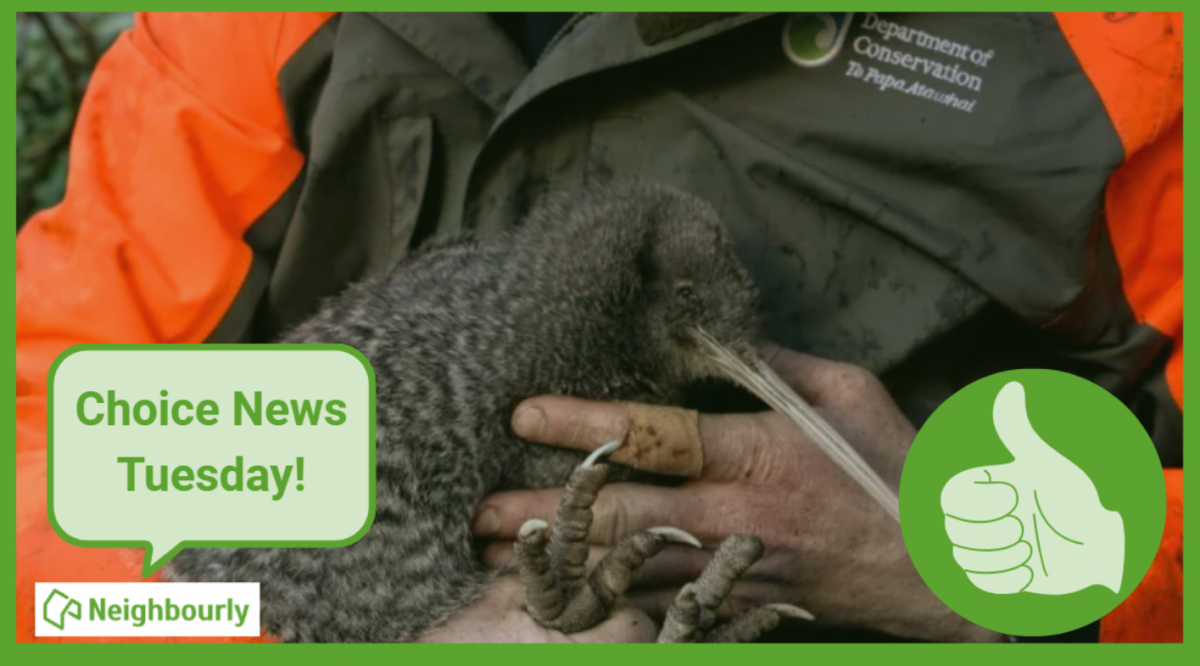
DOC is rolling out a new tool to help figure out what to tackle first when it comes to protecting our threatened species and the things putting them at risk.
Why does this matter? As Nikki Macdonald from The Post points out, we’re a country with around 4,400 threatened species. With limited time and funding, conservation has always meant making tough calls about what gets attention first.
For the first time, DOC has put real numbers around what it would take to do everything needed to properly safeguard our unique natural environment. The new BioInvest tool shows the scale of the challenge: 310,177 actions across 28,007 sites.
Now that we can see the full picture, it brings the big question into focus: how much do we, as Kiwis, truly value protecting nature — and what are we prepared to invest to make it happen?
We hope this brings a smile!
 Loading…