





Wasp wipeout - can you help?
Wasps are a serious problem for people on picnics, but their effects on native insect populations are devastating. Last summer we embarked on an ambitious project to make a dent in the wasp population in the Nelson region. We fundraised and were able to lay 390km of bait lines in some of the region's most popular recreational areas, effectively making 10,000 hectares wasp free.
This summer we are delighted to announce we are expanding the programme to other parts of the country which are also affected by high wasp numbers. Vespex is laid in bait stations in late January and February when wasps change to a protein-based diet. It is of low toxicity and safe for bees. Results from last summer showed it has a 95%-99% success rate.
While a small amount of work is Government funded, we're going to raise more funds to get as many areas baited as possible, and we need your help. Go to our Popshop page to contribute to a wasp-free region
So join us in the battle. The more we raise the more areas we can cover.


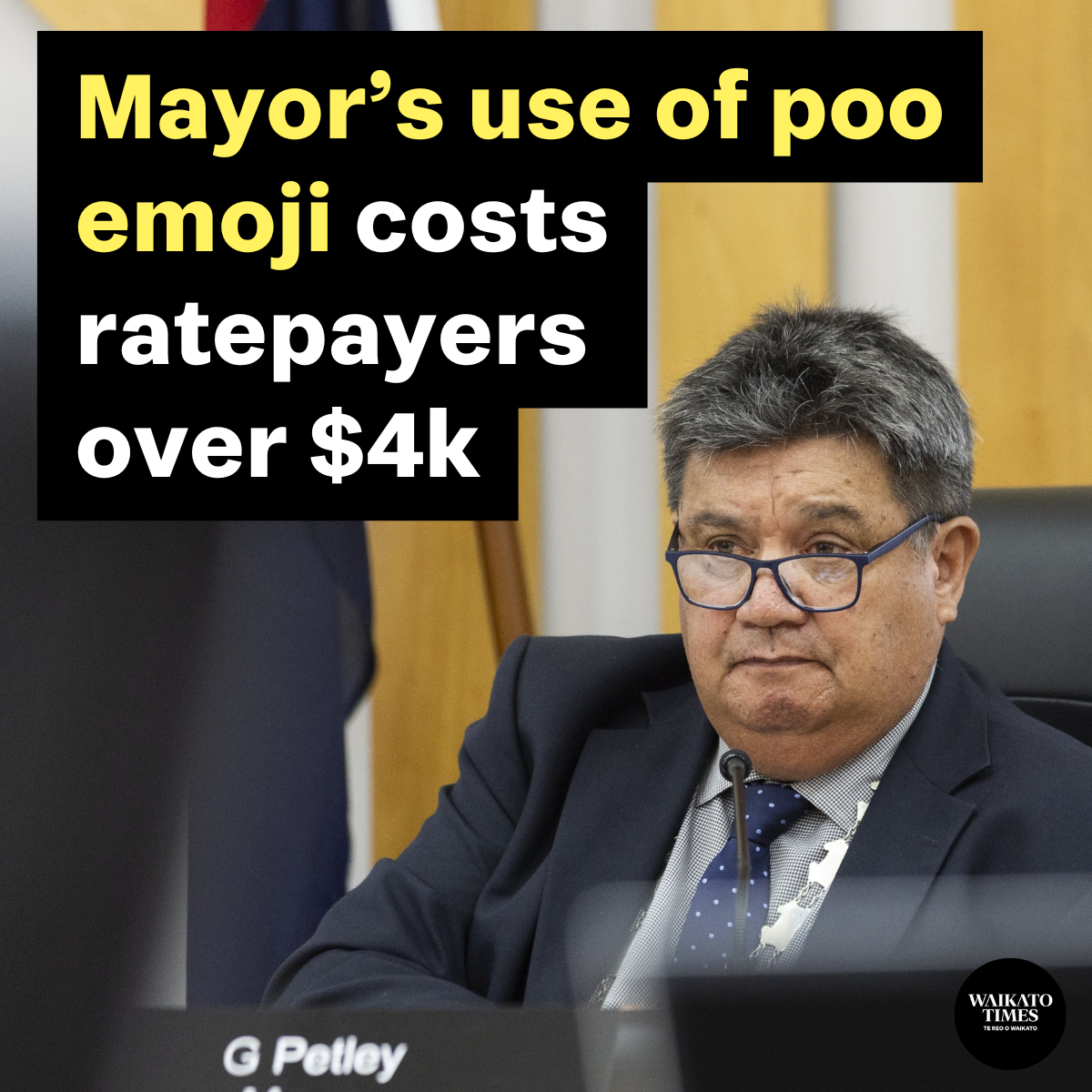
Mayor’s use of poo emoji costs ratepayers over $4k
South Waikato mayor Gary Petley will make a public apology, and has sworn off social media after admitting he got it wrong when an online dispute turned sour.
A code of conduct complaint was made by Putāruru ward councillor Zed Latinovic in January after Petley reacted to comments made about council expenditure on Facebook by using the ‘poo emoji’.

🧩😏 Riddle me this, Neighbours…
I am an odd number. Take away a letter and I become even. What number am I?
Do you think you know the answer?
Want to stop seeing these in your newsfeed? No worries! Simply head here and click once on the Following button.


Some Choice News!
DOC is rolling out a new tool to help figure out what to tackle first when it comes to protecting our threatened species and the things putting them at risk.
Why does this matter? As Nikki Macdonald from The Post points out, we’re a country with around 4,400 threatened species. With limited time and funding, conservation has always meant making tough calls about what gets attention first.
For the first time, DOC has put real numbers around what it would take to do everything needed to properly safeguard our unique natural environment. The new BioInvest tool shows the scale of the challenge: 310,177 actions across 28,007 sites.
Now that we can see the full picture, it brings the big question into focus: how much do we, as Kiwis, truly value protecting nature — and what are we prepared to invest to make it happen?
We hope this brings a smile!

 Loading…