





End of Life Choice Bill
As many of you will know, we are currently debating the End of Life Choice Bill in Parliament. I would like to thank David Seymour MP for bring this bill to our attention.
I acknowledge that there are a range of views around the subject of euthanasia, and I have a deep level of respect for everyone's opinions and personal experiences.
I believe it's important we have a respectful debate about this issue. If you would like to comment below, please ensure your comments show due respect for the views of others.
I am personally opposed to this bill, and my reasons our outlined below, and in the video attached to this post.
I believe this bill impacts on vulnerable people in our communities. I'm concerned that in many cases those who would have access to end of life choice under this bill are the old, the unwell, and people with devastating and difficult diseases. By definition, these people are often in a vulnerable position.
By sharing the experiences of those who are dying, we stand to learn a lot about what is important in life, about relationships within families and communities. Our experience of humanity risks being diminished if we push for shorter, more succinct death experiences. I am certainly not in favour of glorification of suffering, but rather a turning toward, than a turning away from the natural dying process.
The vast number of those in the medical profession oppose this bill, having insightful information and experience on the issue of dying.
I retain a concern about the increasing desire across society to favour a sanitised experience of death; the desire to control every aspect of life and death. Improved palliative care practices will address many of the concerns raised by proponents of assisted dying.
I am concerned that people approaching an end of life situation may experience overt pressure. They can feel they are a burden on their families, worry about the pain that the final months may put them through, and may see it simply as a better choice to access end of life provisions.
Our current laws protect all human life equally. No one person's life is treated differently from anyone else's.
I acknowledge the genuine position of those MPs and community members who support the Bill. While I disagree with that position, I will be conducting the debate in a constructive and sensitive manner out of respect for the genuinely held views of proponents, and the sensitive issue under consideration.
vimeo.com...

🎉 Riddle me this, legends! 🎉
He/She who makes it, sells it.
He/She who buys it, doesn't use it.
The user doesn't know they are using it.
What is it?
(Shezz from Ngāruawāhia kindly provided this head-scratcher ... thanks, Shezz!)
Do you think you know the answer? Simply 'Like' this post if you know the answer and the big reveal will be posted in the comments at 2pm on the day!
Want to stop seeing these in your newsfeed?
Head here and hover on the Following button on the top right of the page (and it will show Unfollow) and then click it. If it is giving you the option to Follow, then you've successfully unfollowed the Riddles page.

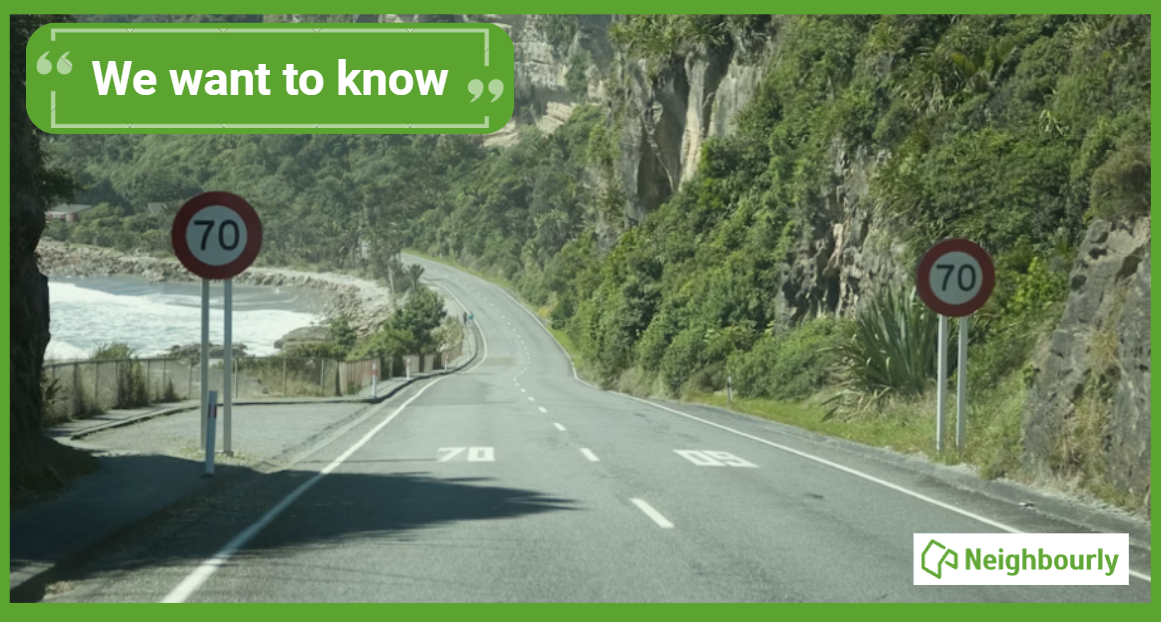
Poll: If we want to reduce speeding, what do you think actually changes driver behaviour? 🛻🚨🚓
In the Post's article on speeding penalties, the question is asked whether speeding fines are truly about road safety, or are they just a way to boost revenue for the Crown?
What do you think? Should speeding motorists receive speeding fines or demerit points?
-
38.3% The sting of a fine (Money talks!)
-
61.7% The threat of demerit points (Nobody wants to lose their license!)

Some Choice News!
DOC is rolling out a new tool to help figure out what to tackle first when it comes to protecting our threatened species and the things putting them at risk.
Why does this matter? As Nikki Macdonald from The Post points out, we’re a country with around 4,400 threatened species. With limited time and funding, conservation has always meant making tough calls about what gets attention first.
For the first time, DOC has put real numbers around what it would take to do everything needed to properly safeguard our unique natural environment. The new BioInvest tool shows the scale of the challenge: 310,177 actions across 28,007 sites.
Now that we can see the full picture, it brings the big question into focus: how much do we, as Kiwis, truly value protecting nature — and what are we prepared to invest to make it happen?
We hope this brings a smile!

 Loading…