




Increase to Insurance Premiums-Levies
Insurers cry foul over new levies and taxes hiking house insurance costs
SIMON MAUDE/FAIRFAX NZ
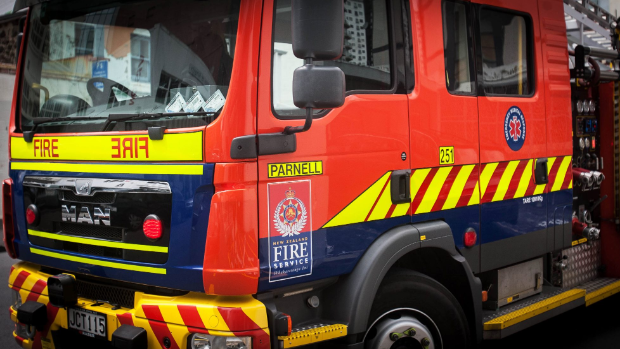
The Fire Service will come to a homeowner's house fire, whether or not they contributed by having insurance.
Major increases in taxes and levies imposed by the Government will hike the cost of house insurance, and risk leading homeowners to abandon, or decrease their coer, the Insurance Council has warned.
The warning comes after a Budget announcement of a 33 per cent rise in Earthquake Commission (EQC) levies from November 1, following fast on the heels of a rise of 40 per cent on the Fire Service levy from July 1.
Both the taxes are collected through levies added to the price of house and contents insurance.
SCOTT HAMMOND/FAIRFAX NZ
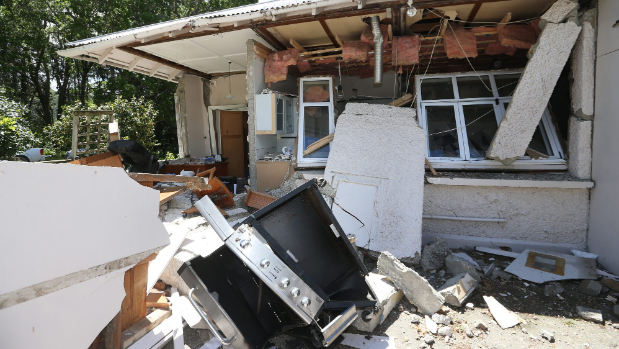
New Zealand is ranked only behind Bangladesh and Chile for natural disaster risk.
"This means people with house and contents insurance will be levied and taxed over $450 without even counting the 15 per cent GST applied to the premium that the insurer charges," Insurance Council chief executive Tim Grafton said.
READ MORE:
*Insurance cost to increase to cover Fire Service
*Fire service levy 'unfair'
The council wants both levies scrapped, and the EQC and Fire Service funded from general taxation..
Insurance Council chief executive Tim Grafton says the government is making house insurance artificially expensive.
Making house and contents insurance expensive through levies and taxation risked creating a "moral hazard", Grafton said.
People who decided they could not afford insurance, or who decided to cut it by decreasing the sum their house was insured for, or who opted for a much higher excess, could end up appealing for help after a natural disaster.
That would put the government of the day under extreme moral pressure, Grafton said.
"By the end of this year households will see the levies and taxes on people who insure themselves sky rocket. From July 1 there will be a 40 per cent increase in the levy used to fund the fire service which everyone benefits from, not just the insured," Grafton said.
New Zealand was one of the most vulnerable countries in the world to natural disasters for its size, he said.
"This election year there is an opportunity for political leadership to be shown.
"Does New Zealand continue to go down the path of making it increasingly difficult for low income people to protect themselves, or should we really be addressing our vulnerability?" Grafton said.
"If fewer people insure that will not only put upward pressure on the cost of insurance and so create a downward spiral, but it will also create a moral hazard for the Government.
"Does it help the uninsured and thereby encourage greater levels of non-insurance and under-insurance?
"General taxation should fund the Fire Service which benefits everyone, insured and un-insured alike. The Crown balance sheet is now strong and can bear the $1.75 billion exposure that the EQC levy seeks to fund," Grafton said.

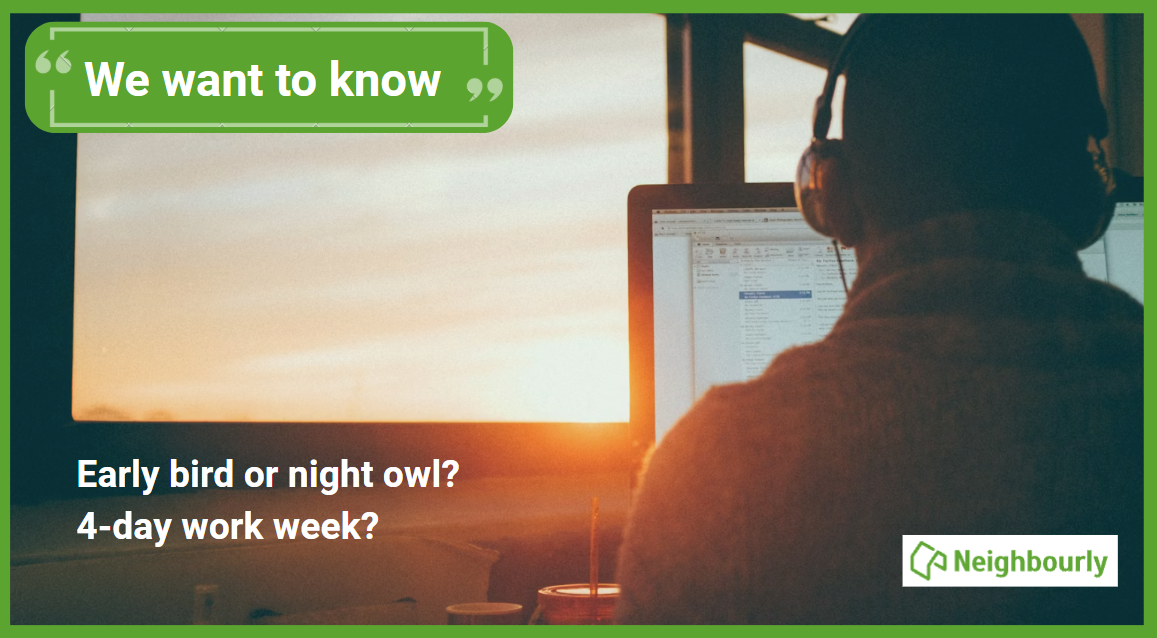
🪱🐦 When are you the most productive? 🌙🦉
The Post has been diving into our daily habits, and research suggests being an early bird or a night owl isn’t just a choice—it’s biology! We all have that specific time when our brains finally "click" into gear.
This raises a big question for the modern workplace. To get the best out of everyone, should employers accommodate our natural body clocks? This idea is at the heart of the four-day work week and flexible scheduling movements.
We want to hear from you:
1. When does your brain "click" into gear?
2. Would a flexible (or shortened) schedule change the way you work?
Dance Scottish for Beginners
Hamilton Scottish invite new and returning dancers to join us Wednesday nights from 7pm
Scam Alert: Bank cold calls
ASB is warning customers about reports of cold calls from scammers claiming to be from ASB. These scammers are trying to obtain personal information, including usernames, dates of birth, and verification codes sent to your mobile phone.
🛡️ The "Caller Check" Test
If you get a call from someone claiming to be from ASB and you’re unsure, just ask them for a Caller Check. You will then be able to verify the call through the app.
Remember, banks will:
❌ Never ask for your banking passwords, PINs, or verification codes
❌ Never need to know your full credit card number – especially the CVC
❌ Never ask you to download software or remotely access your device
❌ Never ask you to purchase gift cards or transfer funds.
If you have received a phone call and think your account has been compromised, call ASB on 0800 ASB FRAUD (0800 272 372), or visit your local branch.
 Loading…